
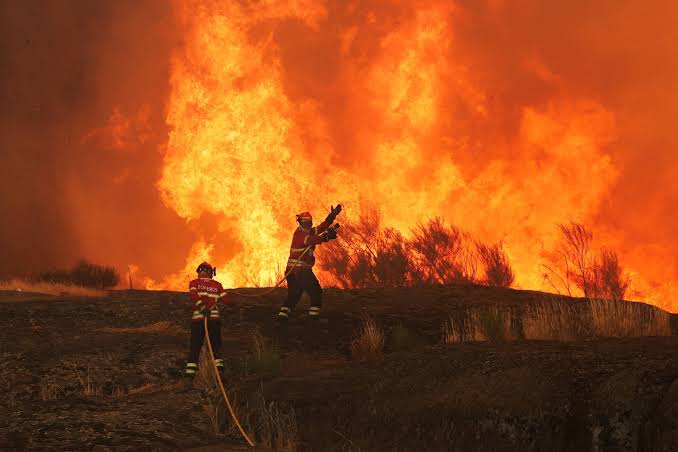
Thousands of residents across several western states in the United States have been forced to evacuate as more than 100 active wildfires continue to spread across forests and wilderness regions, fueled by extreme heat, dry vegetation, and strong winds. Firefighters are battling rapidly changing conditions as dense smoke blankets large areas, reducing visibility and creating hazardous air quality for millions of people.
Authorities have issued multiple evacuation orders in regions where fast-moving flames threaten homes, businesses, recreational sites, and critical infrastructure. Emergency crews are working around the clock to contain the fires while protecting communities located near forests and mountainous terrain. Officials have warned that the combination of soaring temperatures, prolonged drought conditions, and gusty winds is creating one of the most challenging wildfire situations of the season.
The fires have spread across several states in the western United States, where hot and dry weather has significantly increased the risk of wildfire outbreaks. Large portions of public forests, national parks, and wilderness areas remain closed as officials attempt to limit public access and ensure the safety of residents, tourists, and emergency personnel.
Emergency management agencies have established evacuation centers to accommodate displaced families. Local authorities are urging residents living in high-risk zones to leave immediately when evacuation orders are issued and to avoid delaying their departure, as wildfire conditions can change rapidly with shifting winds.
Apart from the immediate danger posed by flames, heavy smoke has become a major public health concern. Thick smoke has reduced air quality across numerous communities, prompting health officials to advise vulnerable groups—including children, older adults, pregnant women, and people with respiratory or heart conditions—to remain indoors whenever possible and avoid strenuous outdoor activities.
Medical experts have warned that prolonged exposure to wildfire smoke can lead to breathing difficulties, eye irritation, coughing, and worsening symptoms for individuals suffering from asthma or other chronic respiratory illnesses. Many communities have opened clean-air shelters to provide temporary relief for residents affected by deteriorating air quality.
Firefighters continue to face difficult terrain and unpredictable fire behavior. Steep mountain slopes, dry forests, and high temperatures have complicated containment efforts, while limited humidity has allowed fires to burn intensely both during the day and overnight. Aircraft, helicopters, bulldozers, and thousands of firefighting personnel have been deployed to slow the spread of the flames.
Officials say that weather conditions remain unfavorable for firefighting operations. Forecasts indicate that high temperatures and dry winds are expected to persist, raising concerns that existing fires could expand further and new fires could ignite across vulnerable regions. Authorities are closely monitoring weather patterns and have urged the public to remain alert for updated emergency warnings.
The economic and environmental impact of the fires is also expected to be significant. Wildfires have damaged forest ecosystems, destroyed vegetation, threatened wildlife habitats, and disrupted tourism and outdoor recreation. Businesses dependent on seasonal visitors may also experience financial losses as parks, campgrounds, and hiking trails remain closed.
Power utilities and transportation agencies are monitoring the situation as smoke and flames threaten roads, power lines, and communication networks. Temporary road closures have affected travel in several regions, while emergency responders continue to prioritize public safety and access for firefighting equipment.
Climate experts note that prolonged periods of extreme heat, lower rainfall, and increasingly dry landscapes have contributed to longer and more intense wildfire seasons across many parts of the western United States. While the exact cause of individual fires remains under investigation, officials continue to remind the public that many wildfires can be prevented through responsible behavior, including avoiding open flames, properly extinguishing campfires, and reporting signs of smoke immediately.
Authorities have assured residents that firefighting operations will continue until the affected areas are fully secured. Emergency teams remain on high alert as weather conditions continue to pose challenges, and residents have been advised to stay informed through official emergency alerts, follow evacuation instructions promptly, and avoid entering restricted fire zones until authorities declare them safe.
As firefighters continue their efforts to contain the blazes, officials emphasize that protecting lives remains the highest priority. Communities across the affected regions remain vigilant as emergency services work tirelessly to limit the destruction caused by one of the most widespread wildfire outbreaks of the year.