
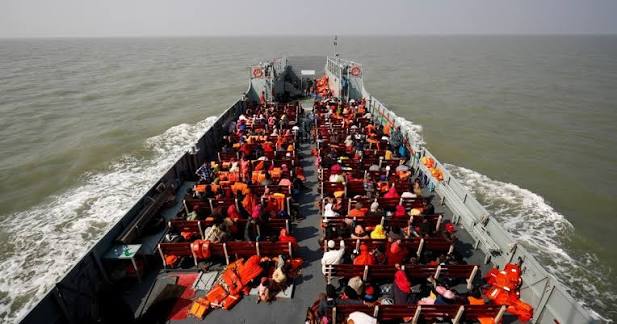
A devastating maritime disaster off the coast of Myanmar has left more than 500 people feared dead after multiple migrant boats reportedly sank during a dangerous sea journey. The tragedy is being described as one of the deadliest migrant boat accidents in the region in recent years, highlighting the severe risks faced by people fleeing conflict, persecution, and economic hardship.
According to humanitarian agencies, the boats were carrying hundreds of migrants attempting to cross the sea in search of safety and better living conditions. Initial reports suggest that harsh weather conditions and overcrowded vessels may have contributed to the disaster, although authorities are continuing their investigation into the exact cause of the sinkings.
Hundreds Believed to Have Been Onboard
The boats were reportedly packed with men, women, and children who had embarked on the hazardous voyage through waters that have long been used as a migration route. Rescue officials and humanitarian organizations believe that the number of casualties could exceed 500, making it one of the most significant maritime tragedies involving migrants in Southeast Asia.
Only a limited number of survivors have reportedly been rescued, while many passengers remain missing. Search efforts continue, but hopes of finding additional survivors are fading as time passes.
Officials say the final death toll may only become clear after extensive rescue and recovery operations are completed.
Dangerous Sea Routes Continue to Claim Lives
The Bay of Bengal and nearby waters have become increasingly dangerous migration corridors for thousands of vulnerable people attempting to escape violence, discrimination, political instability, and poverty. Many migrants rely on overcrowded fishing boats or poorly maintained vessels operated by human smuggling networks.
Human rights organizations have repeatedly warned that desperate families often risk their lives because they see few alternatives. Long journeys without adequate food, drinking water, medical care, or safety equipment make these sea crossings extremely dangerous.
Seasonal storms, rough seas, and overloaded boats further increase the likelihood of fatal accidents. 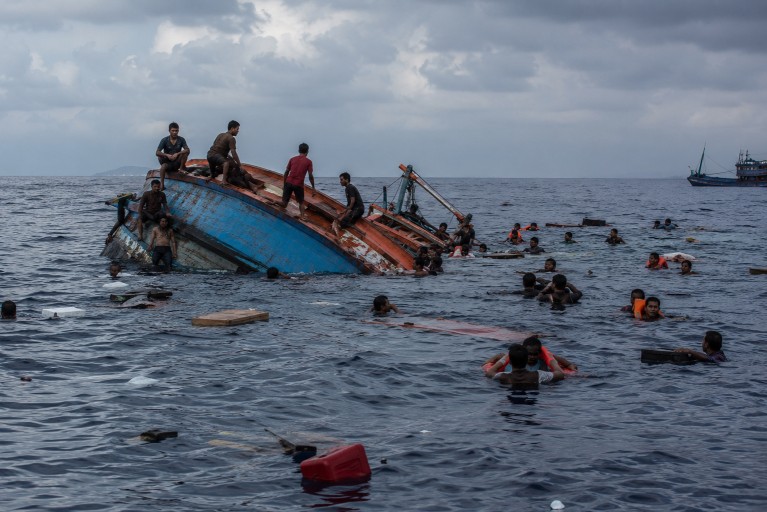
Humanitarian Agencies Raise Alarm
International humanitarian organizations expressed deep concern over the scale of the tragedy and urged governments across the region to strengthen search-and-rescue operations while expanding protection for vulnerable migrants and refugees.
Aid agencies stressed that many people undertaking these dangerous journeys are escaping prolonged humanitarian crises and have limited access to legal or safe migration pathways. They called for stronger regional cooperation to prevent further loss of life and to improve emergency response capabilities in international waters.
Relief organizations also emphasized the need for better support systems for survivors, including medical assistance, shelter, food, psychological care, and family reunification services.
Ongoing Search and Recovery Operations
Rescue teams have continued searching the affected waters despite difficult weather conditions. Authorities are coordinating with local agencies and humanitarian groups to locate missing passengers and recover bodies.
The challenging maritime environment has slowed rescue efforts, while officials continue collecting information from survivors to determine how many people were onboard each vessel before the accident occurred.
Emergency responders have appealed for additional resources as operations continue over a large stretch of coastline.
Migration Crisis Remains a Regional Challenge
The latest disaster once again draws attention to the broader humanitarian crisis affecting displaced communities across Southeast Asia. Many migrants undertake risky sea voyages after exhausting all other options, often placing their trust in traffickers who promise safe passage but provide overcrowded and unsafe vessels.
Experts say long-term solutions will require stronger regional cooperation, improved protection for refugees and migrants, efforts to combat human trafficking, and expanded legal migration opportunities.
Until safer alternatives become available, humanitarian organizations warn that vulnerable people will likely continue risking dangerous sea crossings despite the life-threatening consequences.
International Concern Grows
The scale of the reported tragedy has prompted renewed international concern over migrant safety in the region. Global humanitarian agencies have called for immediate humanitarian assistance for survivors and greater international cooperation to address the underlying causes of forced migration.
As search operations continue, families across several countries anxiously await news about missing relatives. The disaster stands as another painful reminder of the human cost of unsafe migration and the urgent need for coordinated international action to protect those forced to flee their homes.