
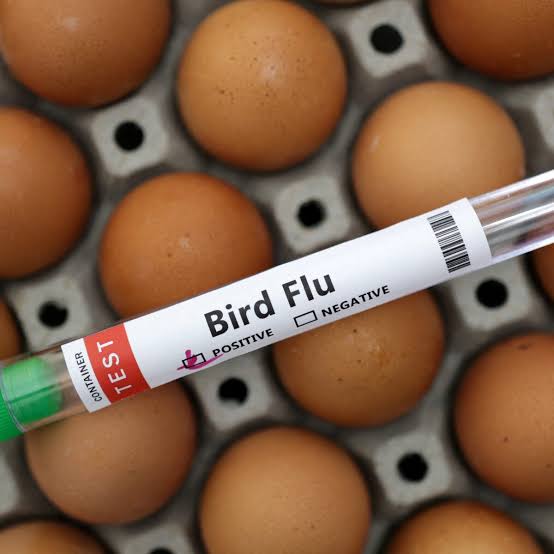
New Zealand has officially confirmed its first case of the highly pathogenic H5N1 avian influenza virus in a wild seabird, marking a significant development in the country’s ongoing efforts to monitor and contain the global spread of bird flu. The confirmation comes only weeks after neighboring Australia reported its own H5N1 detection, highlighting the increasing presence of the virus across the Oceania region.
The infected bird was identified during routine wildlife disease surveillance, with laboratory testing confirming the presence of the highly pathogenic H5N1 strain. Authorities have launched additional monitoring measures to assess whether the virus has spread further among wild bird populations while maintaining close surveillance of domestic poultry farms.
First Detection Raises Biosecurity Concerns
The confirmation represents a milestone in New Zealand’s biosecurity monitoring system, which has remained on high alert due to the worldwide spread of highly pathogenic avian influenza in recent years.
Officials stated that the infected seabird was discovered in the wild and was subsequently examined through established disease testing procedures. Veterinary and biosecurity experts confirmed the presence of the H5N1 virus after laboratory analysis.
Although this is the country’s first confirmed H5N1 case, authorities emphasized that surveillance systems have been actively monitoring migratory birds and local wildlife for signs of the virus for an extended period. The detection demonstrates that the surveillance network is functioning effectively by identifying infected wildlife at an early stage.
Enhanced Surveillance Underway
Following the confirmation, government agencies responsible for animal health and biosecurity have intensified surveillance efforts across coastal regions and important bird habitats.
Officials are encouraging members of the public to report sightings of sick, injured, or unusually large numbers of dead wild birds. Wildlife experts are also increasing sample collection from seabird colonies and other species that could potentially carry the virus.
The primary objective is to determine whether the infection is an isolated incident or part of wider transmission among wild bird populations.
Authorities are also working closely with conservation organizations, veterinarians, and environmental agencies to monitor wildlife health while ensuring rapid response measures remain in place if additional infections are detected.

No Immediate Threat to Poultry Industry
Despite the confirmed case, officials have stressed that there is currently no evidence indicating the virus has spread to commercial poultry farms or backyard flocks.
Biosecurity teams continue to inspect poultry operations and remind farmers to maintain strict hygiene practices, restrict contact between domestic birds and wild birds, and report any unusual illness or sudden deaths among poultry immediately.
The poultry industry remains under close observation, with contingency plans prepared should future detections occur.
Experts note that early detection significantly improves the ability to limit the spread of the disease and protect agricultural production.
Risk to the Public Remains Low
Health authorities have reassured the public that the current risk to human health remains low.
Human infections with H5N1 are relatively rare and generally occur after prolonged or direct contact with infected birds or contaminated environments. There is currently no indication that the detected case poses a broader public health threat.
Nevertheless, people are advised not to handle sick or dead birds without appropriate protective equipment and to notify the relevant authorities if they encounter suspicious wildlife.
Officials continue to coordinate with public health agencies to ensure preparedness should the situation evolve.
Part of a Wider Global Spread
The H5N1 virus has spread across multiple continents over the past several years, causing significant outbreaks among wild birds and poultry. Numerous countries have implemented enhanced surveillance programs as migratory birds continue to transport the virus across international borders.
The confirmation in New Zealand follows similar detections elsewhere in the region and reflects the continuing global challenge of monitoring highly pathogenic avian influenza.
Scientists are closely studying the movement of migratory bird populations to better understand transmission patterns and improve future disease prevention strategies.
Authorities Continue Monitoring
Officials have emphasized that surveillance and testing will continue in the coming weeks as more samples are collected from wild birds throughout the country.
While there is no evidence of widespread transmission at present, authorities remain prepared to implement additional control measures if further H5N1 cases are identified.
The latest detection underscores the importance of continuous wildlife monitoring, rapid laboratory testing, and strong biosecurity measures to protect biodiversity, safeguard the poultry sector, and minimize potential public health risks as the global spread of avian influenza continues to evolve.