
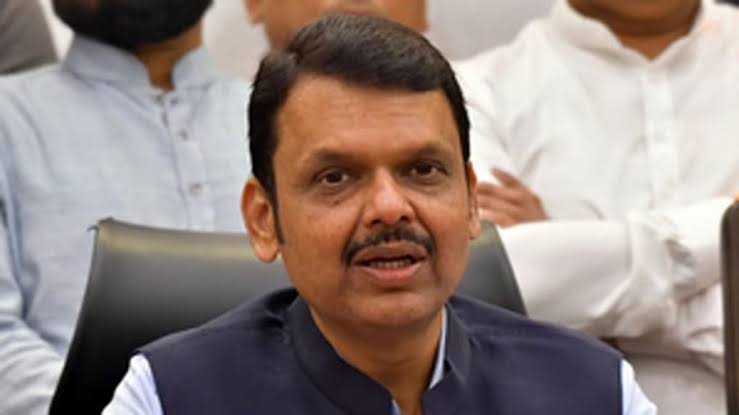
Political developments in Maharashtra have once again come into sharp focus after Chief Minister Devendra Fadnavis held separate meetings with leaders representing both factions of the Nationalist Congress Party (NCP). The meetings have triggered widespread political speculation about the possibility of a reconciliation between the rival camps led by veteran leader Sharad Pawar and Deputy Chief Minister Ajit Pawar.
Although no official announcement has been made regarding any merger, the timing of the meetings has generated intense discussions across political circles. Observers believe the interactions could indicate ongoing efforts to reshape alliances ahead of future political challenges in the state.
Meetings Fuel Political Speculation
Chief Minister Devendra Fadnavis met senior leaders from both NCP factions during separate engagements, prompting questions about whether discussions extended beyond routine governance matters.
The meetings have attracted attention because relations between the two factions have remained strained since the split that significantly altered Maharashtra’s political landscape. With leaders from both camps engaging with the Chief Minister within a short period, political analysts believe the interactions could signal renewed communication between rival groups.
Despite the speculation, none of the participating leaders publicly confirmed that discussions about a merger had taken place.
Background of the NCP Split
The Nationalist Congress Party experienced one of its biggest internal divisions when Ajit Pawar broke away from the leadership of his uncle, Sharad Pawar. The split reshaped Maharashtra politics, creating two separate factions that have since followed different political paths.
Ajit Pawar aligned with the ruling coalition and became a key member of the state government, while Sharad Pawar continued to lead the opposing faction. Since then, both groups have claimed to represent the original identity and legacy of the NCP.
The division also resulted in prolonged legal and political battles over the party’s name, election symbol, and organizational control. 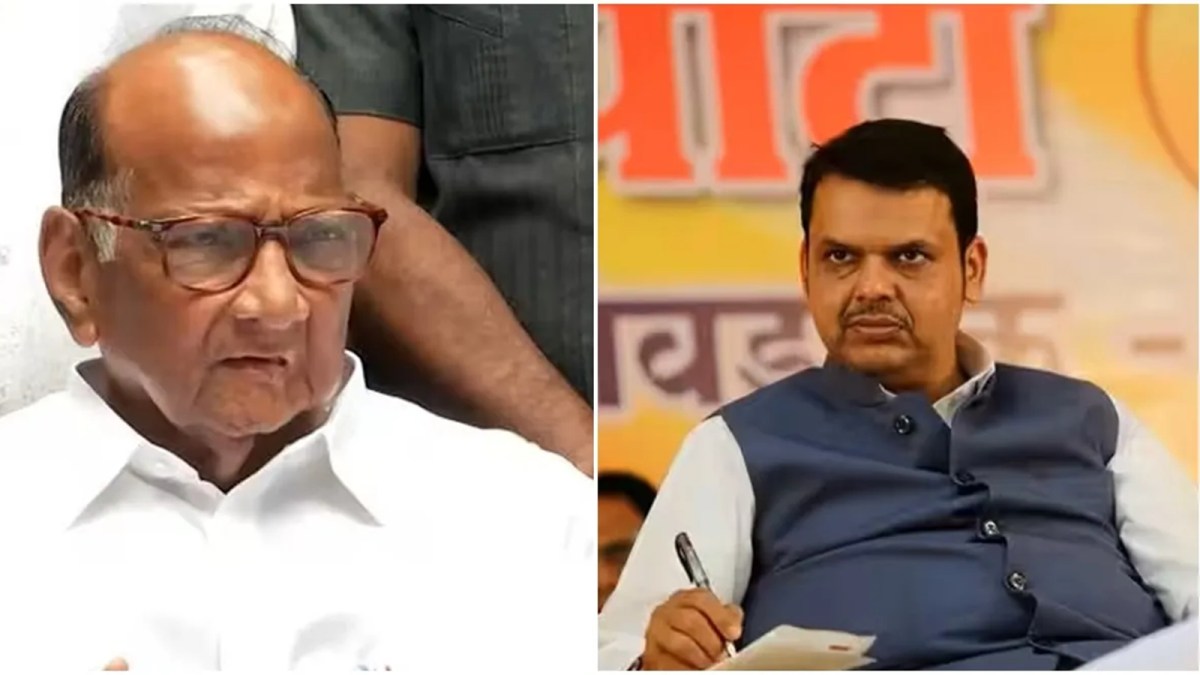
Why Merger Talks Have Resurfaced
The recent meetings have revived discussions because political observers have noticed several developments suggesting that communication between leaders has continued despite public differences.
Speculation has grown over whether both factions could eventually find common ground, particularly as Maharashtra prepares for future political challenges. A reunification, if it were to happen, could significantly alter the state’s political balance and reshape opposition as well as ruling coalition dynamics.
However, political analysts caution that discussions among senior leaders do not necessarily indicate that a formal merger is imminent. Meetings between political figures often cover administrative issues, governance matters, and legislative coordination.
No Official Confirmation From Either Camp
Neither the Sharad Pawar faction nor the Ajit Pawar faction has officially confirmed that merger negotiations are underway. Leaders from both sides have largely refrained from making definitive public statements regarding the purpose of the meetings.
Government sources have also not indicated that any formal political agreement has been reached. As a result, the reports remain the subject of political speculation rather than confirmed developments.
The absence of official confirmation has left room for multiple interpretations, with rival parties and political commentators offering differing views on the significance of the interactions.
Political Implications for Maharashtra
Any reconciliation between the two NCP factions would carry major political implications for Maharashtra. A unified party could influence alliance calculations, strengthen bargaining power during elections, and alter the strategies of both the ruling coalition and opposition parties.
For the ruling alliance, maintaining stability remains an important priority, while opposition parties continue to monitor developments that could reshape electoral equations.
Political experts note that Maharashtra has witnessed several dramatic shifts in alliances over the past few years, making speculation about future realignments a recurring feature of state politics.
Leaders Remain Cautious
Senior leaders from both factions have maintained a cautious approach in public, avoiding comments that could confirm or deny reports of possible reunification. Instead, they have continued to emphasize governance and organizational responsibilities while leaving political observers to interpret the significance of recent meetings.
Until an official announcement is made, discussions surrounding a possible merger remain speculative.
Looking Ahead
The meetings between Chief Minister Devendra Fadnavis and leaders from both NCP factions have undoubtedly intensified political curiosity across Maharashtra. While no formal move toward reunification has been confirmed, the interactions have revived debate over whether the state’s evolving political landscape could witness another major realignment.
For now, the possibility of a merger remains uncertain, but the meetings have ensured that Maharashtra’s political future continues to attract close attention from political parties, analysts, and the public alike.