
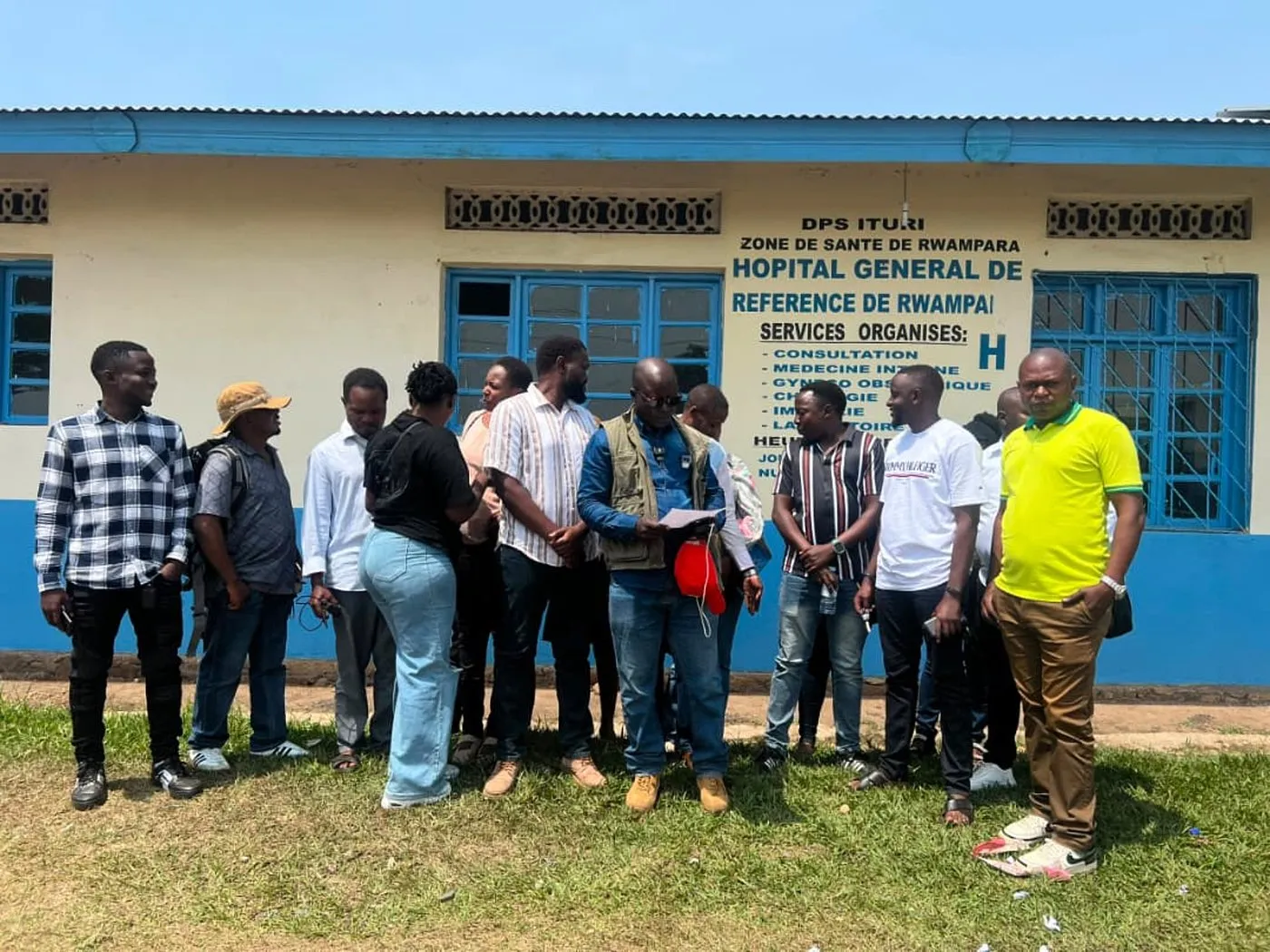
The Democratic Republic of Congo is battling one of its most serious Ebola outbreaks in recent years, with the number of confirmed infections surpassing 2,000 and the death toll reaching 754. Health authorities continue to intensify surveillance, treatment, vaccination, and community awareness campaigns as they work to contain the spread of the deadly virus.
According to the latest official figures, the outbreak has now resulted in more than 2,000 laboratory-confirmed Ebola cases. The rapidly rising number of infections has raised concerns among health officials, who are closely monitoring transmission patterns across affected regions while expanding emergency response measures.
Death Toll Highlights Severity of the Outbreak
The outbreak has claimed 754 lives, underlining the severe impact of the virus on communities across the affected areas. Ebola remains one of the world’s deadliest viral diseases, with fatality rates varying depending on the strain, access to healthcare, and the speed of diagnosis and treatment.
Medical teams continue to identify new infections through extensive surveillance and contact tracing. Individuals who have been exposed to confirmed patients are being monitored closely to prevent further transmission and ensure early medical intervention if symptoms develop.
Authorities Strengthen Response Measures
Congolese health authorities, supported by international health partners, have expanded efforts to bring the outbreak under control. Emergency response teams are focusing on several critical areas, including:
- Rapid identification and isolation of infected individuals.
- Contact tracing to monitor people exposed to confirmed cases.
- Vaccination campaigns targeting high-risk populations and frontline healthcare workers.
- Improved laboratory testing capacity.
- Public awareness initiatives encouraging communities to report symptoms early and seek medical care.
Health officials believe these measures are essential to reducing transmission and preventing the virus from spreading into new regions. 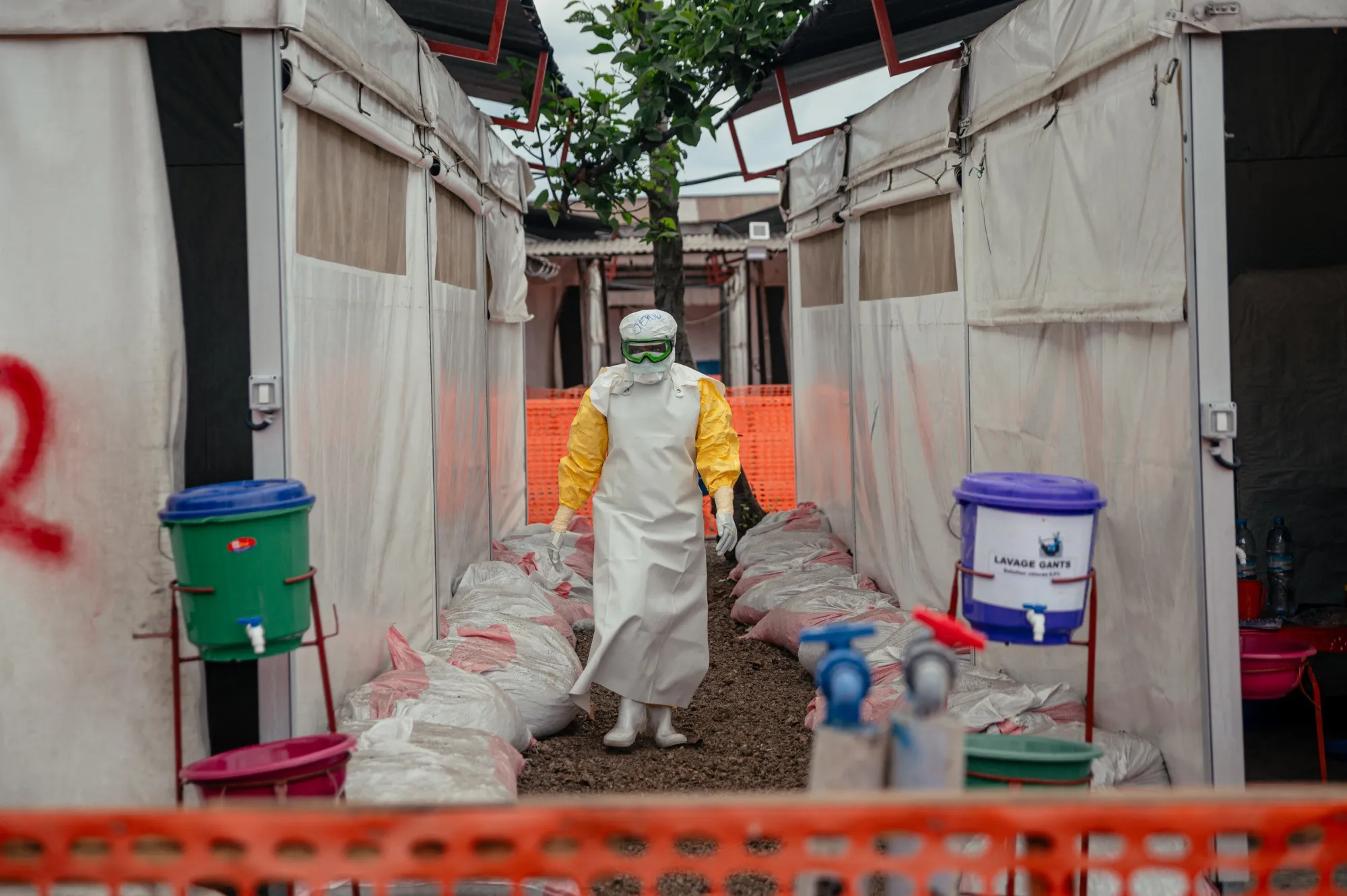
Challenges Continue in Affected Areas
Containing Ebola outbreaks in Congo has historically been complicated by geographical barriers, limited healthcare infrastructure, population movement, and occasional community mistrust toward health interventions. These factors can delay case detection and hinder response operations.
Healthcare workers continue to face demanding conditions while treating patients, conducting field investigations, and educating local communities about preventive measures. Authorities are also working to ensure that treatment centres remain adequately supplied with protective equipment and essential medical resources.
Understanding Ebola
Ebola Virus Disease is a severe and often fatal illness caused by infection with the Ebola virus. The disease spreads through direct contact with the bodily fluids of infected individuals or contaminated materials.
Common symptoms include:
- Sudden fever
- Severe weakness
- Headache
- Muscle pain
- Vomiting
- Diarrhoea
- Internal or external bleeding in severe cases
Early diagnosis and supportive medical care significantly improve the chances of survival.
Vaccination and Treatment Efforts
Vaccination has become one of the most effective tools in controlling Ebola outbreaks. Health authorities are continuing targeted vaccination programmes for contacts of confirmed patients and frontline responders to interrupt chains of transmission.
Treatment centres are also providing supportive care, including fluid replacement, symptom management, and specialised therapies where available. Prompt medical attention remains crucial for improving patient outcomes.
Global Health Monitoring Continues
International public health agencies continue to monitor developments closely while supporting Congo’s response efforts. Experts stress that sustained surveillance, community cooperation, and rapid containment measures are essential to preventing further escalation.
Although progress has been made in Ebola preparedness over the past decade, officials caution that outbreaks remain a significant public health challenge, particularly in regions with limited healthcare resources.
As response teams continue their work, authorities are urging communities to remain vigilant, report suspected cases promptly, and follow public health guidance aimed at reducing the spread of the virus. The coming weeks are expected to be critical in determining whether ongoing containment efforts can successfully slow the outbreak and prevent additional loss of life.