
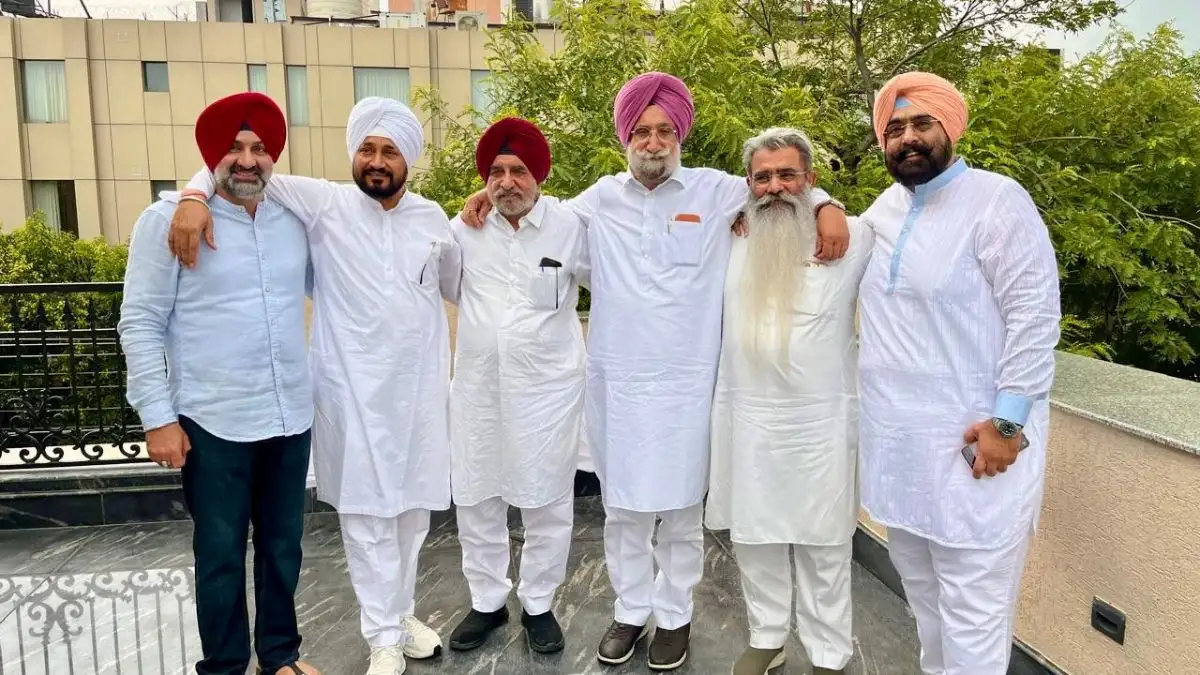
The Punjab unit of the Congress party is witnessing growing internal tensions as differences between supporters of former Chief Minister Charanjit Singh Channi and Punjab Congress chief Amarinder Singh Raja Warring continue to surface. With the 2027 Punjab Assembly elections approaching, the escalating factionalism has raised concerns within the party over its ability to present a united front against political rivals.
Senior party leaders and workers have increasingly found themselves divided into separate camps, exposing disagreements over leadership, organizational control, and the future direction of the party in Punjab. Political observers believe that unless these differences are resolved, the internal conflict could weaken the Congress’ electoral prospects in the state.
Leadership Rivalry Comes Into Focus
The friction between the two camps has become more visible in recent weeks as leaders associated with both Channi and Warring have exchanged criticism over organizational decisions and political strategy.
Supporters of Charanjit Singh Channi believe that the former Chief Minister remains one of the Congress’ strongest public faces in Punjab due to his administrative experience and popularity among several voter groups. They argue that his role within the party should be strengthened as preparations begin for the next Assembly elections.
On the other hand, supporters of Punjab Congress president Amarinder Singh Raja Warring maintain that the current state leadership has been working to rebuild the party after successive electoral setbacks. They emphasize that organizational discipline and collective leadership should take precedence over personality-driven politics.
Disagreements Over Organizational Decisions
The internal differences are not limited to leadership ambitions alone. Party insiders indicate that several disputes have emerged over appointments within the state organization, allocation of responsibilities, and the overall political strategy to challenge the ruling government in Punjab.
Some leaders have reportedly expressed dissatisfaction over the way important decisions are being made, while others have called for greater consultation before implementing organizational changes. These disagreements have gradually widened the divide between various factions.
Political analysts note that such internal disagreements often become more pronounced as elections draw closer, particularly when multiple senior leaders are viewed as potential faces of the campaign. 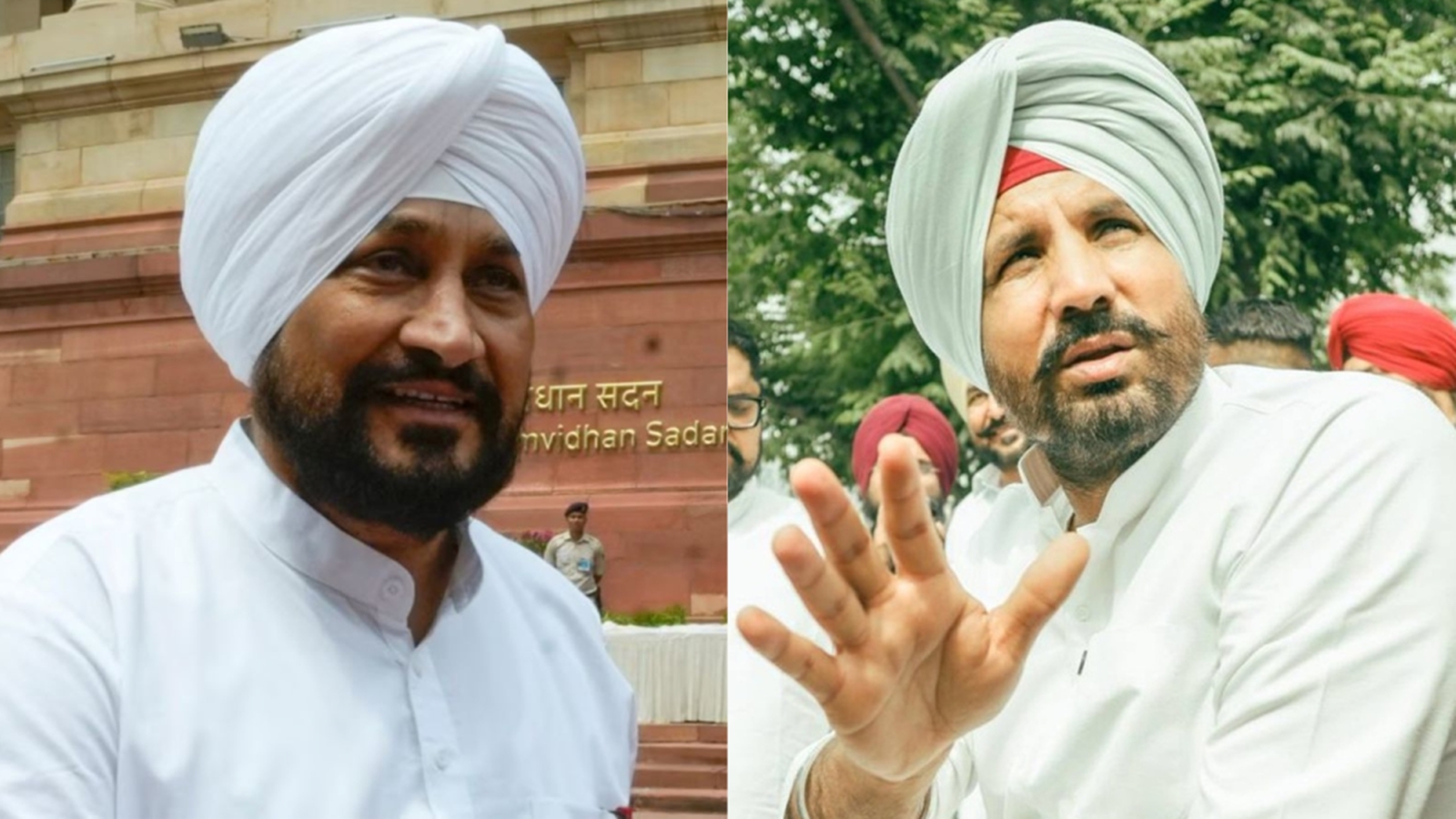
Challenge of Rebuilding the Party
Following recent electoral disappointments, the Congress has been working to regain political momentum in Punjab. The party aims to strengthen its grassroots network, reconnect with voters, and rebuild confidence among workers across the state.
However, continued factionalism risks diverting attention away from public issues and organizational expansion. Instead of focusing on policy alternatives and election preparation, senior leaders may find themselves occupied with managing internal disputes.
Many party workers have reportedly expressed the need for unity, arguing that internal competition should not overshadow the broader objective of challenging political opponents in the upcoming elections.
Central Leadership Faces Balancing Act
The Congress high command is expected to closely monitor developments within the Punjab unit as it seeks to maintain unity among senior leaders. Party leadership at the national level has often intervened in state-level disputes to prevent prolonged factional battles from affecting electoral performance.
Political observers believe the central leadership may eventually facilitate discussions between the competing groups to reduce tensions and ensure coordinated election planning.
Maintaining a balance between experienced leaders and emerging leadership will likely be one of the key challenges for the party as it prepares its long-term electoral strategy.
Political Significance Ahead of 2027 Elections
Punjab remains one of the Congress party’s most politically significant states. Although the party has a substantial organizational presence, internal divisions could affect its ability to effectively challenge rival political parties during the next Assembly elections.
Analysts believe that voters often expect opposition parties to demonstrate unity and stability before presenting themselves as credible alternatives. Continued public disagreements among senior leaders could therefore influence public perception if not addressed in time.
At the same time, supporters of both Channi and Warring argue that internal debate is a natural part of democratic politics and that differences can ultimately strengthen the party if resolved through dialogue and consensus.
Looking Ahead
As preparations for the 2027 Punjab Assembly elections gradually intensify, the Congress faces the dual challenge of strengthening its organizational structure while maintaining internal unity. The coming months are expected to be crucial in determining whether the party can successfully bridge differences between competing leadership groups.
How the Congress manages the evolving relationship between Charanjit Singh Channi and Amarinder Singh Raja Warring could play a significant role in shaping the party’s campaign strategy, leadership structure, and electoral prospects in Punjab. A cohesive approach may improve the party’s chances of mounting a stronger challenge in the state, while prolonged factionalism could present additional hurdles in its path toward political revival.