
India and Indonesia are preparing to elevate their strategic partnership as Prime Minister Narendra Modi embarks on a high-profile visit expected to deliver significant breakthroughs in defence cooperation, maritime security, and regional connectivity. The visit comes at a time when both nations are seeking to strengthen collaboration in the Indo-Pacific amid evolving geopolitical challenges and increasing emphasis on safeguarding critical sea routes.
Government officials indicate that discussions between the two countries will focus on expanding defence ties, improving maritime coordination, and exploring new avenues of military and technological cooperation. The visit is also expected to reinforce India’s growing role as a trusted security partner in Southeast Asia while supporting Indonesia’s efforts to modernize its defence capabilities.
Defence Cooperation Expected to Take Centre Stage
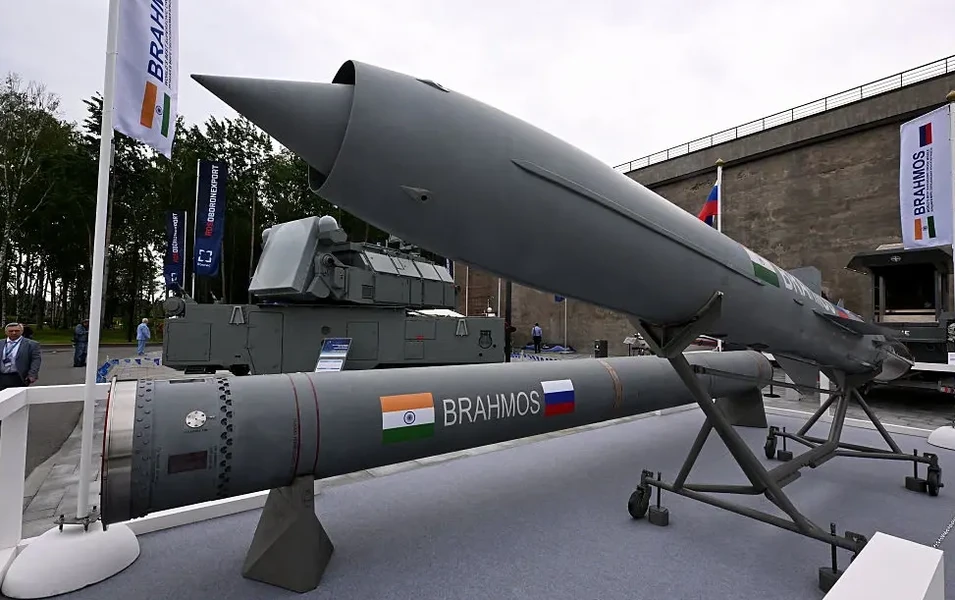
One of the most closely watched aspects of the visit is the anticipated progress in defence collaboration, including discussions surrounding India’s indigenous BrahMos supersonic cruise missile system. Although no official announcement has been made regarding a final agreement, defence analysts believe that negotiations could move significantly forward during the high-level meetings.
The BrahMos missile has emerged as one of India’s most successful defence exports and has attracted interest from several countries seeking advanced precision strike capabilities. The missile system is jointly developed by India and Russia and is capable of striking both land and maritime targets at supersonic speeds, making it one of the fastest operational cruise missiles in the world.
Indonesia’s interest in strengthening its coastal defence and maritime deterrence aligns with India’s objective of expanding defence exports under its “Make in India” initiative. A potential defence agreement would not only enhance Indonesia’s military preparedness but also strengthen India’s position as an emerging global defence manufacturing hub.
Strategic Importance of the Strait of Malacca
The discussions are expected to place considerable emphasis on the Strait of Malacca, one of the world’s busiest and most strategically significant maritime passages. Stretching between the Malay Peninsula and the Indonesian island of Sumatra, the narrow waterway serves as a vital shipping corridor connecting the Indian Ocean with the Pacific Ocean.
A substantial portion of global trade, including energy supplies destined for East Asian economies, passes through this route every day. Any disruption in the Strait of Malacca could have far-reaching consequences for international commerce and regional stability.
India has consistently emphasized the importance of maintaining freedom of navigation and ensuring secure sea lanes in the Indo-Pacific. Enhanced cooperation with Indonesia, which occupies a crucial geographic position near the strait, could significantly strengthen maritime surveillance, information sharing, and coordinated security operations. 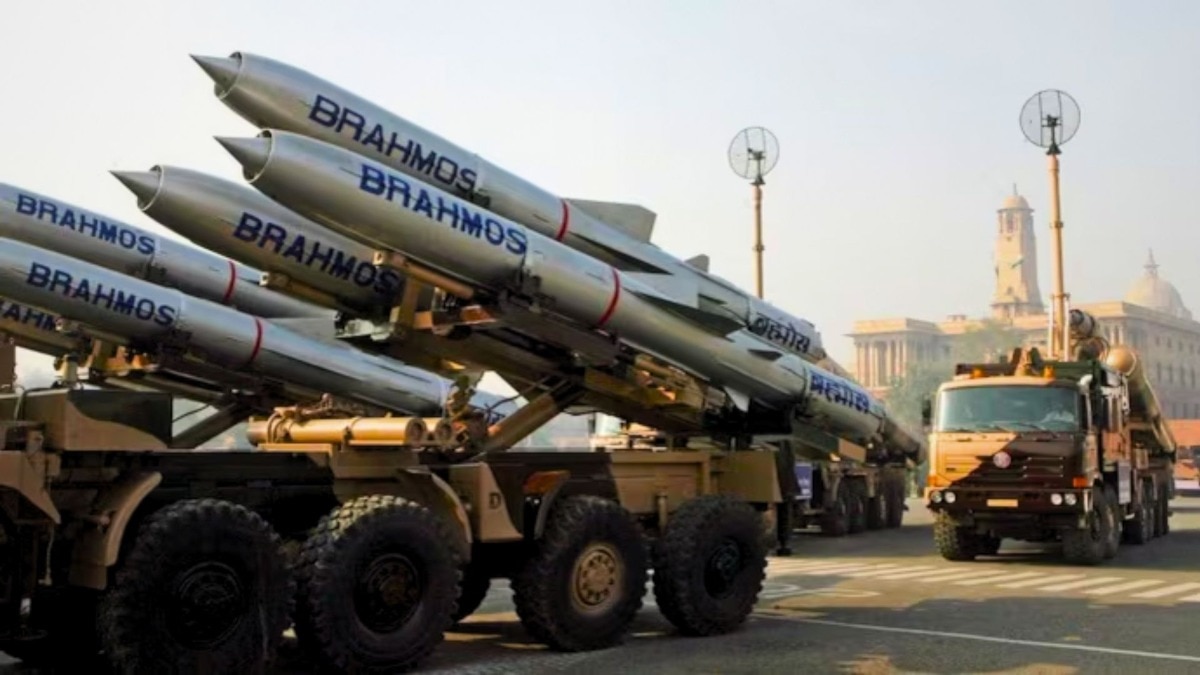
Maritime Infrastructure and Port Development
Apart from defence cooperation, discussions are also expected to include maritime infrastructure projects and port development initiatives aimed at improving regional connectivity. Both countries recognize that stronger port infrastructure can facilitate trade, improve logistics, and support broader economic integration across the Indo-Pacific.
Strategic ports located near important shipping lanes hold increasing geopolitical value as nations seek to secure supply chains and expand commercial opportunities. Improved maritime infrastructure could also support humanitarian assistance, disaster response, and naval cooperation during emergencies.
The development of such infrastructure would complement India’s wider regional initiatives focused on connectivity, economic engagement, and maritime cooperation with ASEAN member states.
Strengthening India’s Indo-Pacific Vision
India’s engagement with Indonesia forms an important pillar of its Indo-Pacific strategy. The two countries share extensive maritime boundaries and have repeatedly expressed their commitment to maintaining a free, open, inclusive, and rules-based Indo-Pacific region.
Over the past several years, bilateral relations have expanded beyond traditional diplomacy to include defence exercises, naval cooperation, cybersecurity, digital partnerships, renewable energy, and economic collaboration.
The visit is expected to further institutionalize these partnerships through new agreements, policy frameworks, and joint initiatives that strengthen long-term strategic cooperation.
Expanding Defence Exports
India has significantly accelerated efforts to become a leading exporter of defence equipment. Recent years have witnessed growing international demand for Indian-made military systems, reflecting increased confidence in the country’s indigenous defence manufacturing capabilities.
The government has placed defence exports at the centre of its broader vision for self-reliance in the defence sector. Successful agreements with friendly countries not only generate economic opportunities but also deepen strategic relationships through long-term maintenance, training, and technology cooperation.
Should discussions with Indonesia result in future defence contracts, they would represent another milestone in India’s expanding defence diplomacy across Southeast Asia.
Growing Economic and Strategic Partnership
Beyond security cooperation, India and Indonesia continue to strengthen economic ties through increased trade, investment, digital connectivity, healthcare collaboration, and renewable energy partnerships.
Both nations are among the largest democracies in Asia and play influential roles in regional organizations and multilateral forums. Their cooperation has become increasingly important as geopolitical competition intensifies across the Indo-Pacific.
Shared priorities such as maritime security, sustainable economic growth, resilient supply chains, and regional stability provide a strong foundation for deeper bilateral engagement.
Regional Implications
The expected outcomes of Prime Minister Modi’s visit are likely to extend beyond bilateral relations. Stronger India-Indonesia cooperation would contribute to broader regional security architecture by promoting stability across key maritime routes and reinforcing collaboration among Indo-Pacific partners.
Enhanced coordination between the two countries may also encourage greater defence interoperability, intelligence sharing, and joint maritime initiatives aimed at addressing challenges such as piracy, illegal fishing, smuggling, and natural disasters.
As both governments continue to pursue closer strategic engagement, the visit is widely viewed as an opportunity to shape the future trajectory of India-Indonesia relations while reinforcing their shared commitment to peace, security, and prosperity across the Indo-Pacific region.
The anticipated agreements, particularly in defence and maritime cooperation, underline the growing convergence of interests between New Delhi and Jakarta. With both countries seeking to play larger roles in regional affairs, the visit could mark another significant chapter in an increasingly robust strategic partnership.