

The unexpected digital release of Diljit Dosanjh’s long-delayed Punjabi film Satluj has reignited a nationwide debate over film censorship, certification delays, and allegations of political interference in the Indian film industry. After remaining unreleased for several years despite being completed, the film has finally reached audiences through an OTT platform, prompting renewed discussions about why it faced prolonged hurdles before its public release.
The controversy has gained momentum on social media, where several users have questioned the reasons behind the film’s delayed certification. Many online commentators have linked the issue to claims that the movie was allegedly prevented from reaching theatres because of its political themes. However, available information suggests that the circumstances surrounding the film’s delay were more complex than the viral narratives circulating online.
Film Faced Certification Delays for Several Years
Satluj was completed years ago but remained unavailable to audiences due to certification-related issues. Reports indicate that the filmmakers had approached the Central Board of Film Certification (CBFC) for clearance, but the certification process became prolonged, delaying the film’s theatrical prospects.
The extended wait eventually led the makers to reconsider the film’s distribution strategy. Instead of pursuing a conventional theatrical release, the producers opted for an OTT premiere, allowing the film to finally reach viewers after years of uncertainty.
The unexpected digital release has revived public interest not only in the film itself but also in the circumstances that prevented it from being released earlier.
Social Media Claims Trigger Political Debate
Following the OTT release, social media platforms witnessed a surge of posts alleging that the film had been deliberately blocked because it portrayed politically sensitive issues or contained content considered critical of the government. Some users even described the film as having been “banned” for political reasons.
These claims quickly gained traction, with supporters and critics engaging in heated discussions over artistic freedom and censorship.
However, there is no official confirmation that the film was permanently banned. Instead, reports suggest that the certification process involved objections related to certain portions of the content, resulting in prolonged delays rather than an outright prohibition. 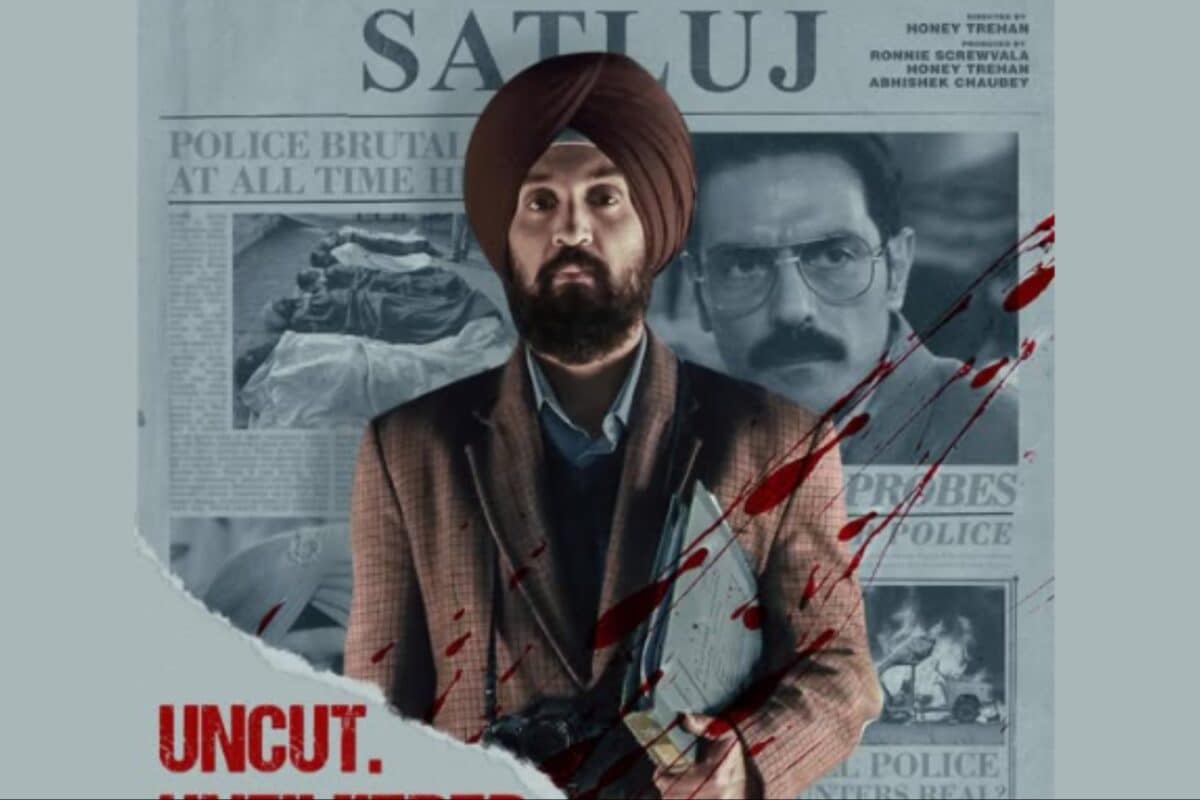
CBFC’s Reported Concerns
According to reports, the certification authority had raised objections to several scenes and dialogues in the film during its review process. The concerns reportedly centered around specific political references and certain depictions that required modifications before certification could be considered.
The reported objections meant that the filmmakers faced the choice of making changes or continuing discussions with the certification body. This back-and-forth process contributed significantly to the delay in the film’s release.
Such certification disputes are not uncommon in Indian cinema, where filmmakers occasionally encounter requests for edits involving political, religious, historical, or socially sensitive themes.
Diljit Dosanjh Remains at the Centre of Public Attention
Although Diljit Dosanjh has not publicly reignited the debate surrounding Satluj following its digital release, the actor and singer continues to remain one of India’s most discussed entertainment personalities.
Known for balancing successful careers in Punjabi and Hindi cinema, Diljit has frequently found himself in public conversations involving artistic freedom, cultural identity, and social issues. Consequently, the delayed release of Satluj has attracted significant attention from both his supporters and critics.
The renewed interest has also introduced the film to audiences who were previously unaware of its existence during the years it remained unreleased.
OTT Release Gives Film a Second Chance
The arrival of Satluj on an OTT platform has provided the film with an opportunity to reach viewers without the commercial limitations associated with a theatrical release after such a long delay.
Digital platforms have increasingly become an alternative route for films facing release uncertainties, enabling producers to recover investments while ensuring that completed projects are eventually seen by audiences.
For Satluj, the OTT debut has transformed what was once considered a stalled project into one of the most discussed Punjabi films in recent weeks.
Broader Questions About Film Certification
The controversy has once again highlighted ongoing discussions about India’s film certification system and the balance between regulatory oversight and creative expression.
Filmmakers have long argued for greater transparency and predictability in the certification process, while certification authorities maintain that their role is to ensure compliance with legal and regulatory standards before public exhibition.
The debate surrounding Satluj reflects broader concerns within the film industry regarding lengthy certification timelines and the impact such delays can have on a project’s commercial viability.
As audiences continue to watch and discuss the film following its long-awaited release, the renewed attention is likely to keep conversations about censorship, artistic freedom, and certification practices active within India’s entertainment landscape.