
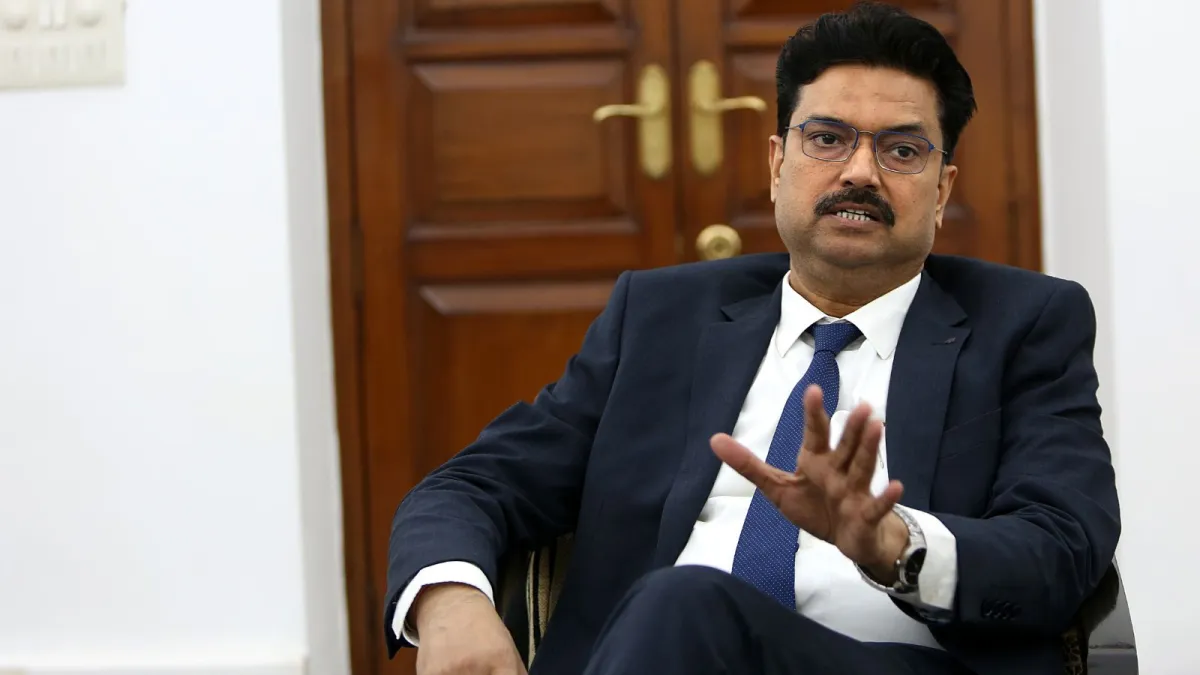
In a landmark development for one of India’s most prestigious higher education institutions, Professor Yogesh Singh has been reappointed as the Vice-Chancellor of Delhi University, making history as the first person to receive a consecutive term in the position under the current governance framework. The decision reflects confidence in his leadership and the direction the university has taken during his first tenure.
The reappointment comes at a crucial time when Delhi University is navigating significant academic reforms, digital transformation, curriculum restructuring, and the implementation of the National Education Policy (NEP) 2020. With another term at the helm, Professor Singh is expected to continue initiatives aimed at modernizing the institution and strengthening its academic and research ecosystem.
Historic Reappointment
Professor Yogesh Singh initially assumed office as the Vice-Chancellor of Delhi University in 2021. Since then, he has overseen several major policy changes and administrative reforms that have reshaped the university’s academic structure and governance.
His second appointment is viewed as a rare milestone in the university’s history, underscoring the confidence reposed in his leadership. The decision also ensures continuity in ongoing reforms that require sustained administrative support and long-term planning.
Observers believe that retaining the same leadership will help maintain stability during a period of extensive educational transformation across Indian universities.
Leadership During a Transformative Phase
Over the past few years, Delhi University has undergone one of the most significant transitions in its history. Under Professor Singh’s leadership, the institution introduced multiple reforms aligned with the National Education Policy.
Among the most notable initiatives was the implementation of the Undergraduate Curriculum Framework (UGCF), designed to provide students with greater academic flexibility, multidisciplinary learning opportunities, and skill-oriented education.
The university also adopted the Four-Year Undergraduate Programme (FYUP), a major structural reform intended to align Indian higher education with global academic standards. While the initiative generated debate among students and faculty members, university authorities maintained that it would offer broader educational opportunities and improve employability. 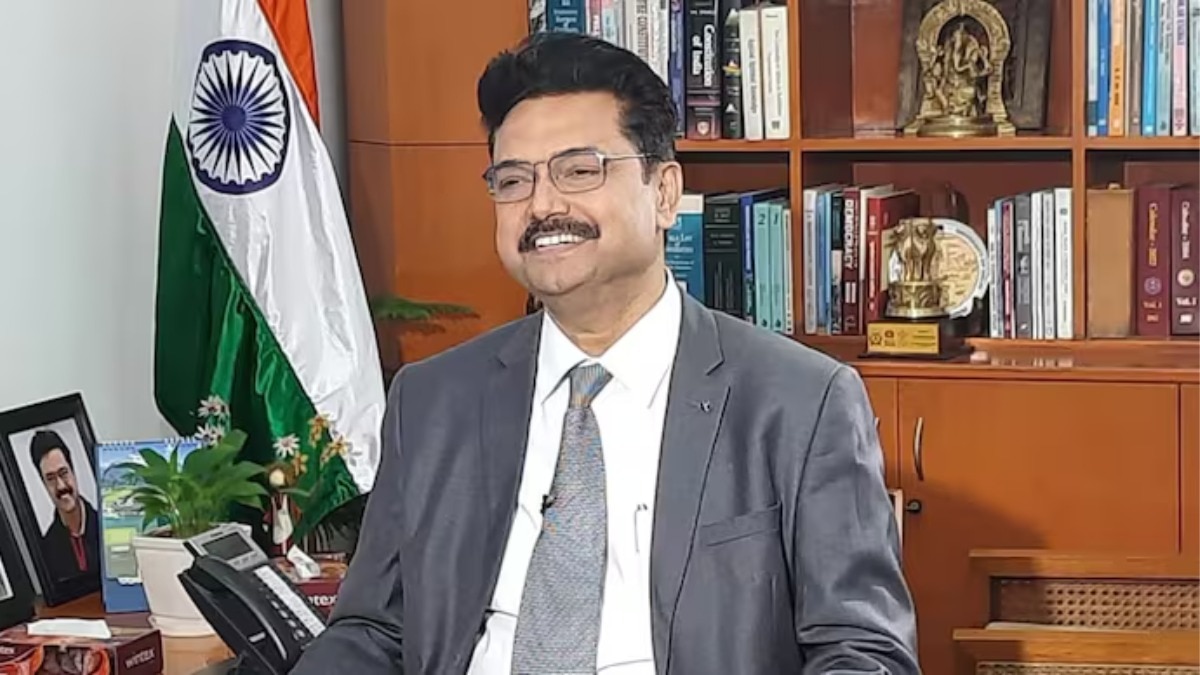
Academic and Administrative Reforms
Professor Singh’s tenure has been marked by efforts to modernize academic administration and improve institutional efficiency.
Several digital governance measures were introduced to streamline admissions, examinations, evaluation processes, and administrative services. The university expanded the use of technology to improve transparency, reduce procedural delays, and enhance accessibility for students and faculty.
His administration also focused on curriculum revision, interdisciplinary education, and expanding research opportunities across departments.
In addition, Delhi University witnessed increased emphasis on innovation, entrepreneurship, industry collaborations, and international academic partnerships during his leadership.
Focus on Infrastructure Development
Infrastructure development remained another major priority during Professor Singh’s first term.
Various campus modernization projects were initiated to improve academic facilities, laboratories, libraries, hostels, and digital learning infrastructure. The administration also emphasized creating better learning environments through upgraded classrooms, enhanced technological resources, and improved student services.
These developments were aimed at ensuring that Delhi University remains competitive among leading higher education institutions both nationally and internationally.
Challenges During the First Term
Despite several achievements, Professor Singh’s tenure was not without challenges.
The rollout of the Four-Year Undergraduate Programme and the Undergraduate Curriculum Framework faced criticism from sections of the teaching community and student organizations, who expressed concerns regarding implementation timelines, curriculum preparedness, workload, and institutional readiness.
Issues related to faculty recruitment, administrative vacancies, examination schedules, and funding also emerged during various phases of his tenure.
However, the university administration consistently maintained that reforms of such scale naturally involve transitional challenges and emphasized ongoing consultations with stakeholders to improve implementation.
Expectations from the Second Term
With another term now beginning, expectations are high regarding the continuation of academic reforms while addressing concerns raised by students and faculty.
Key priorities are likely to include:
- Strengthening research and innovation.
- Enhancing international collaborations.
- Improving digital governance.
- Expanding multidisciplinary education.
- Upgrading campus infrastructure.
- Increasing student support services.
- Accelerating faculty recruitment.
- Ensuring smoother implementation of NEP-related reforms.
Education experts believe sustained leadership could help Delhi University consolidate reforms already introduced and further improve its national and global academic standing.
Significance for Higher Education
Professor Yogesh Singh’s reappointment carries significance beyond Delhi University. As one of India’s largest and most influential universities, policy decisions and academic reforms introduced at the institution often influence higher education practices across the country.
His continued leadership is expected to contribute to the broader implementation of the National Education Policy, particularly in areas such as flexible curricula, multidisciplinary education, academic mobility, and technology-driven governance.
The decision also signals an emphasis on continuity in higher education administration during a period of nationwide institutional reform.
Looking Ahead
As Professor Yogesh Singh embarks on his second consecutive term as Vice-Chancellor, Delhi University enters a new phase focused on building upon existing reforms while addressing the evolving needs of students, faculty, and the wider academic community.
The coming years are expected to determine how effectively the university balances ambitious educational reforms with practical implementation, academic excellence, research growth, and student-centric governance. With continuity in leadership now assured, stakeholders will closely watch how Delhi University strengthens its position as one of India’s premier centres of higher education in an increasingly competitive global academic landscape.