
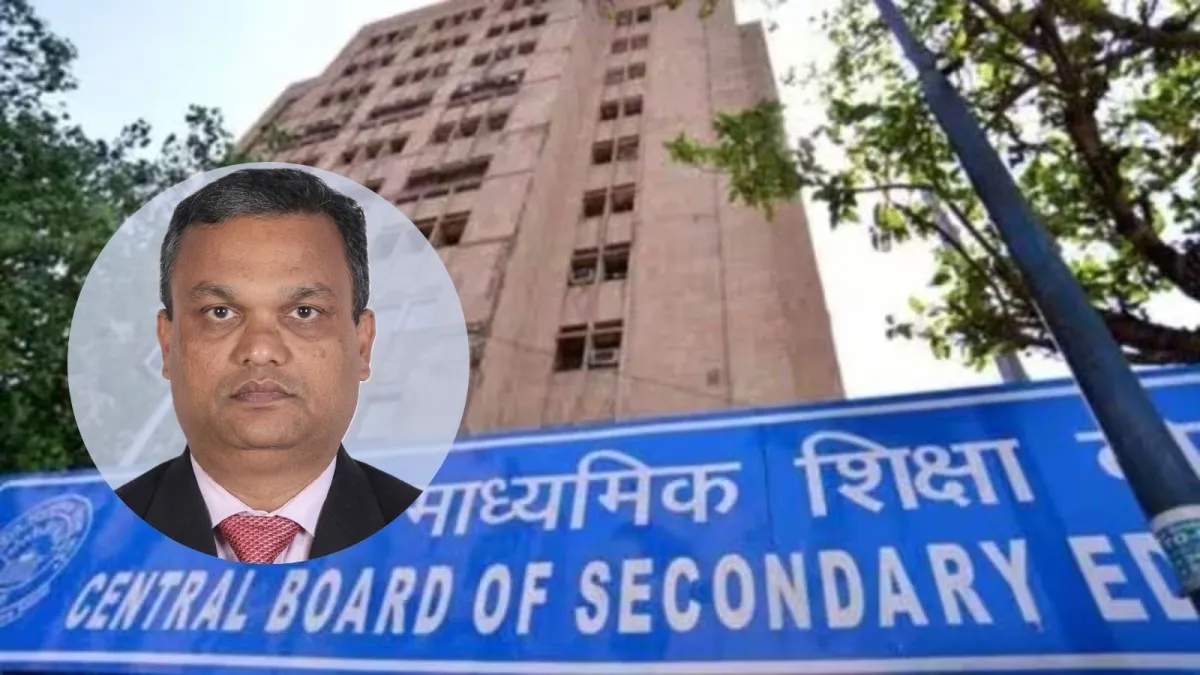
In a significant administrative development for India’s education sector, senior Indian Administrative Service (IAS) officer Lokhande Prashant Sitaram has been appointed as the new Chairperson of the Central Board of Secondary Education (CBSE). The appointment places an experienced civil servant at the helm of one of the country’s most influential educational institutions, responsible for regulating and administering school education for millions of students across India and abroad.
The appointment comes at a time when CBSE continues to implement major educational reforms aligned with the National Education Policy (NEP) 2020, focusing on competency-based learning, digital education, examination reforms, and holistic student development.
Experienced Administrator Takes Charge
Lokhande Prashant Sitaram, a senior IAS officer, brings years of experience in public administration and governance to his new role. Over the course of his administrative career, he has handled several key assignments in government, gaining expertise in policy implementation, institutional management, and public service delivery.
His appointment is expected to strengthen CBSE’s ongoing efforts to modernize India’s school education system while ensuring transparency, efficiency, and quality in academic administration.
With education undergoing rapid transformation through technology integration, revised curricula, and evolving assessment methods, the leadership of CBSE remains crucial in guiding schools through these changes.
Importance of the CBSE Chairperson’s Role
The CBSE Chairperson oversees one of the largest school examination boards in the world. The position carries significant responsibility for shaping academic policies, conducting board examinations, managing affiliations, introducing curriculum reforms, and maintaining educational standards across thousands of affiliated schools.
CBSE is responsible for:
- Conducting Class 10 and Class 12 board examinations.
- Developing and revising school curricula.
- Implementing competency-based education and assessment reforms.
- Managing affiliations for schools across India and overseas.
- Promoting digital learning initiatives.
- Ensuring fair and transparent examination processes.
The Chairperson also plays a central role in implementing directives issued by the Ministry of Education and ensuring that educational reforms are effectively translated into classroom practices. 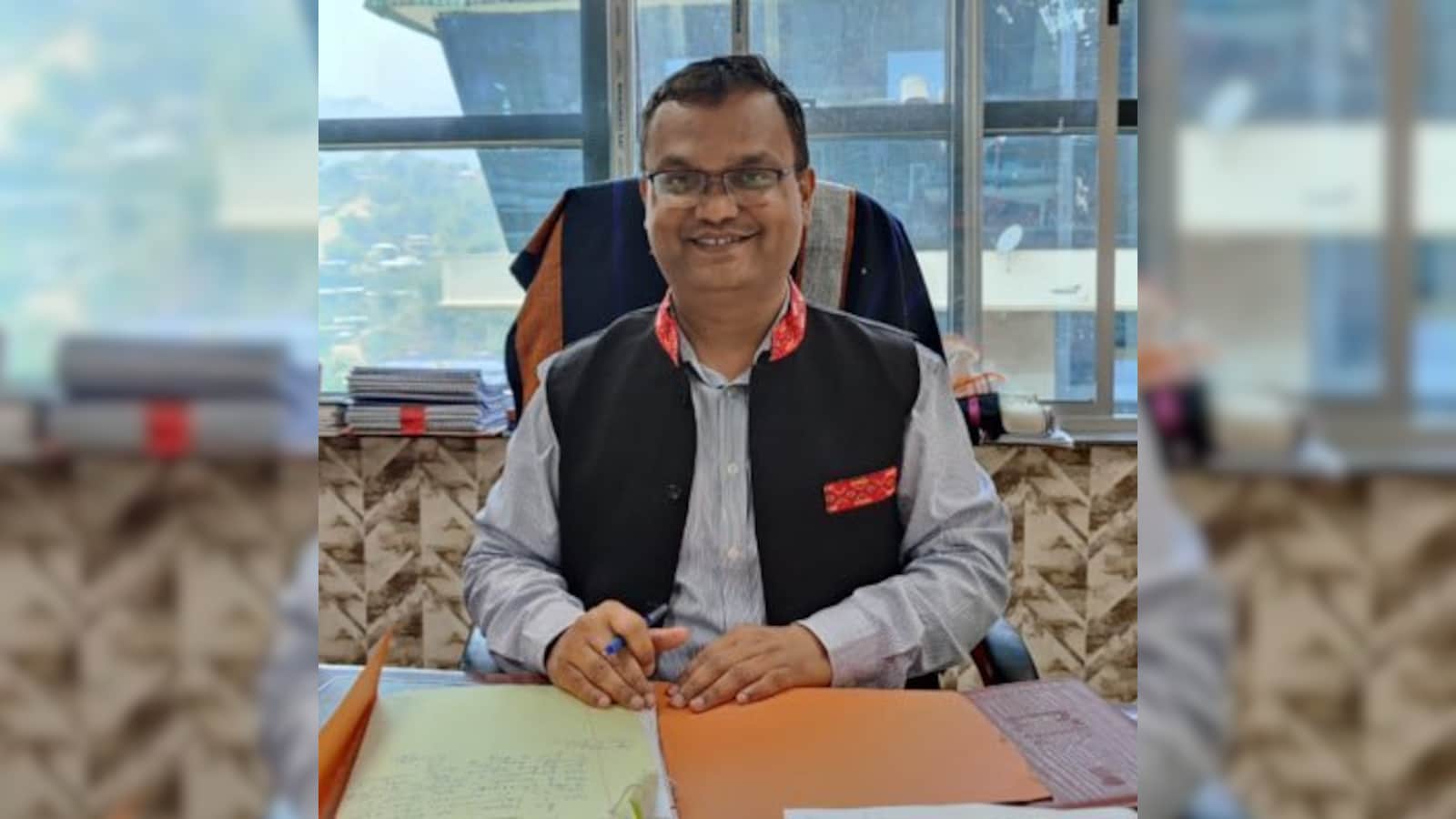
Leadership During a Period of Educational Reform
The appointment comes during a transformative phase for India’s education system. Over the past few years, CBSE has introduced multiple reforms aimed at reducing rote learning and encouraging conceptual understanding among students.
Key initiatives currently underway include:
- Greater emphasis on competency-based questions in board examinations.
- Integration of skill-based and experiential learning.
- Digital evaluation and examination management systems.
- Strengthening teacher training programmes.
- Alignment of school curriculum with the objectives of the National Education Policy.
As Chairperson, Lokhande Prashant Sitaram is expected to oversee the continued implementation of these reforms while ensuring smooth coordination with schools, state governments, educational institutions, and policymakers.
Challenges Ahead
The incoming Chairperson assumes office amid growing expectations from students, parents, teachers, and educational institutions. Among the key challenges likely to require attention are:
- Enhancing the quality of school education nationwide.
- Ensuring timely conduct of examinations and declaration of results.
- Expanding digital education infrastructure.
- Strengthening examination security and transparency.
- Supporting schools in implementing curriculum reforms.
- Promoting equitable access to quality education.
Balancing academic excellence with student well-being and reducing examination-related stress are also expected to remain important priorities for the board.
A Crucial Institution in India’s Education System
CBSE remains one of the country’s most influential educational bodies, with thousands of affiliated schools and millions of students appearing for its examinations every year. Its policies often shape broader trends in school education, influencing curriculum design, teaching methodologies, and student assessment practices across the nation.
As India continues to focus on preparing students for a rapidly changing global environment, the board’s leadership will play a pivotal role in ensuring that educational standards evolve alongside technological advancements and emerging learning needs.
Looking Ahead
With Lokhande Prashant Sitaram taking over as Chairperson, stakeholders across the education sector will be watching closely as CBSE continues its reform agenda. His administrative experience is expected to support the board’s mission of delivering a more inclusive, transparent, and future-ready school education system.
The appointment marks another important step in strengthening institutional leadership at a time when India’s education landscape is undergoing significant transformation, with increasing emphasis on innovation, quality learning outcomes, and student-centric education.