
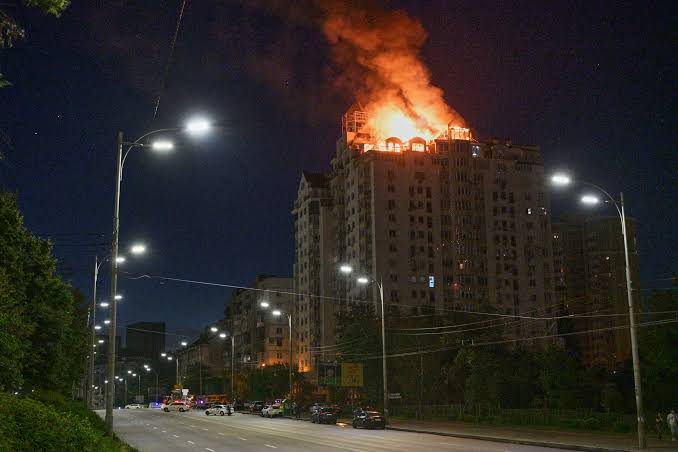
Russia launched another large-scale overnight missile assault on Ukraine, targeting the capital city of Kyiv and several other regions in one of the latest escalations in the prolonged conflict between the two neighboring countries. The sustained barrage, which lasted for several hours, forced residents to seek shelter as Ukrainian air defence systems worked continuously to intercept incoming missiles and aerial threats.
The renewed offensive underscores the continuing intensity of the war, with both sides remaining locked in a prolonged military confrontation that has shown little sign of easing despite repeated international calls for peace.
Kyiv Endures Hours of Air Raid Alerts
Residents across Kyiv experienced a tense and sleepless night as multiple explosions echoed through the city following the activation of air raid sirens. Ukrainian authorities reported that air defence units remained operational throughout the attack, engaging incoming missiles aimed at strategic locations within and around the capital.
Witnesses described hearing repeated blasts as interception systems attempted to destroy hostile projectiles before they reached their intended targets. Emergency services were placed on high alert while local officials monitored potential damage across several districts.
Authorities urged citizens to remain inside designated shelters until the all-clear signal was issued, emphasizing that the threat persisted for several hours during the night.
Air Defence Systems Respond to Missile Barrage
Ukraine’s military stated that its air defence network was actively deployed to counter the incoming wave of missiles. The country’s defence forces have significantly strengthened their interception capabilities over the past two years with the support of Western allies, enabling them to neutralize a substantial number of aerial threats.
Officials indicated that air defence crews engaged multiple targets simultaneously, although assessments regarding the total number of missiles launched and intercepted were still underway as authorities evaluated the scale of the attack.
The effectiveness of Ukraine’s air defence systems has become a critical element of the country’s broader defensive strategy, particularly as Russia increasingly relies on missile and drone strikes aimed at urban centres and critical infrastructure. 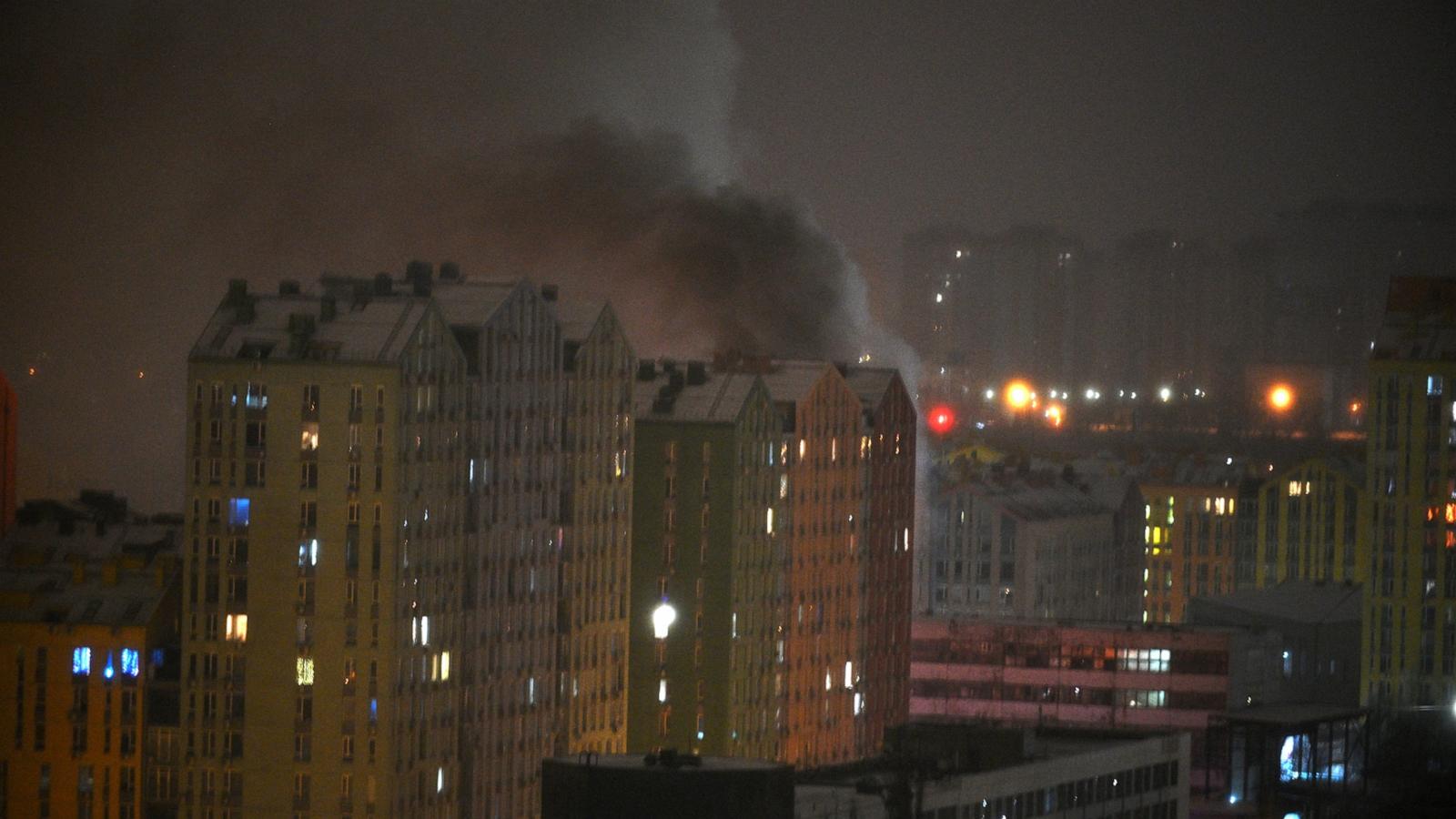
Damage Assessment Underway
Following the overnight assault, emergency response teams were deployed to inspect affected areas across Kyiv and nearby regions. Preliminary assessments indicated that debris from intercepted missiles caused localized damage in certain locations, while officials continued investigating reports involving infrastructure and residential properties.
Emergency personnel worked to secure impacted sites, extinguish any resulting fires, and ensure public safety before allowing residents to return to normal activities.
Authorities also assessed transportation networks, electricity facilities, and communication infrastructure to determine whether essential public services had been disrupted.
Broader Pattern of Escalating Air Attacks
The latest missile offensive reflects a continuing pattern of intensified aerial attacks that have characterized recent phases of the Russia-Ukraine war. Both missiles and long-range drones have frequently been used to target strategic military assets, industrial facilities, logistics hubs, and energy infrastructure.
Ukraine has repeatedly accused Russia of deliberately striking civilian infrastructure to weaken public morale, while Moscow has consistently maintained that its operations are directed at military-related objectives.
Military analysts note that such overnight strikes are designed not only to inflict physical damage but also to stretch Ukraine’s air defence resources through repeated waves of coordinated attacks.
Civilian Safety Remains a Priority
Throughout the attack, Ukrainian authorities continued urging residents to strictly follow air raid procedures. Officials reminded citizens that remaining inside shelters during missile alerts significantly reduces the risk of casualties from explosions or falling debris resulting from intercepted missiles.
Emergency management agencies also maintained constant communication with local governments, ensuring rapid response capabilities in case rescue operations became necessary.
The overnight assault once again highlighted the ongoing challenges faced by civilians living under the constant threat of missile attacks since the conflict began.
International Attention Focuses on Renewed Offensive
The latest escalation is expected to draw renewed international attention as governments continue monitoring developments in the conflict. Western allies have repeatedly reaffirmed their support for Ukraine’s defence efforts while continuing discussions regarding military assistance, humanitarian aid, and regional security.
The missile assault also reinforces concerns among international observers about the continuing humanitarian consequences of the war, particularly as repeated attacks place additional pressure on civilian infrastructure and emergency services.
Diplomatic efforts aimed at achieving a lasting resolution have so far failed to produce a comprehensive ceasefire, leaving both sides engaged in continued military operations.
Conflict Shows No Immediate Signs of Easing
As rescue teams complete damage assessments and military officials analyze the latest attack, the renewed missile barrage serves as another reminder that the conflict remains highly volatile. Frequent air strikes, combined with ongoing frontline fighting, continue to shape the security situation across Ukraine.
With neither side indicating a willingness to scale back military operations, analysts believe further missile attacks and retaliatory actions remain likely in the coming weeks, keeping the region on high alert amid an increasingly complex and prolonged war.