

A fragile ceasefire between Iran and Israel has done little to ease concerns over the future of regional stability, as former United States President Donald Trump is reportedly reviewing military strategies that could be employed should tensions reignite. At the same time, Israeli Prime Minister Benjamin Netanyahu has indicated that Israel remains prepared to take additional measures against Iran if it perceives renewed threats to its national security.
The developments have fueled speculation that the recent pause in hostilities may represent only a temporary break in a broader geopolitical confrontation involving Iran, Israel, and key international actors.
Renewed Focus on Iran Strategy
According to officials familiar with recent discussions, Trump has been briefed on a range of military and diplomatic scenarios concerning Iran. These discussions reportedly include assessments of previous operations, the effectiveness of deterrence measures, and options that could be considered if Iran resumes activities viewed as threatening by the United States and its allies.
While no immediate military action appears imminent, the briefings underscore the continued importance of Iran within Washington’s strategic calculations. Security experts note that any future escalation involving Iran would have significant consequences not only for the Middle East but also for global energy markets, international trade routes, and broader diplomatic relations.
Trump’s advisers are said to be examining how previous actions influenced regional dynamics and whether additional pressure could further limit Iran’s military capabilities and strategic reach.
Netanyahu Maintains Hardline Position
Israeli Prime Minister Benjamin Netanyahu has continued to emphasize that Israel will not hesitate to act if it believes Iran is rebuilding military infrastructure or advancing activities that threaten Israeli security interests.
Speaking amid ongoing regional uncertainty, Netanyahu reportedly warned that Israel remains vigilant despite the ceasefire. Israeli officials have repeatedly argued that temporary pauses in fighting do not eliminate long-term security concerns and that Tehran’s military and nuclear ambitions continue to require close monitoring.
The Israeli leadership has maintained that preventing Iran from gaining capabilities that could alter the regional balance of power remains a core national objective. As a result, Israeli defense agencies continue to assess developments across the region and prepare for a range of potential scenarios. 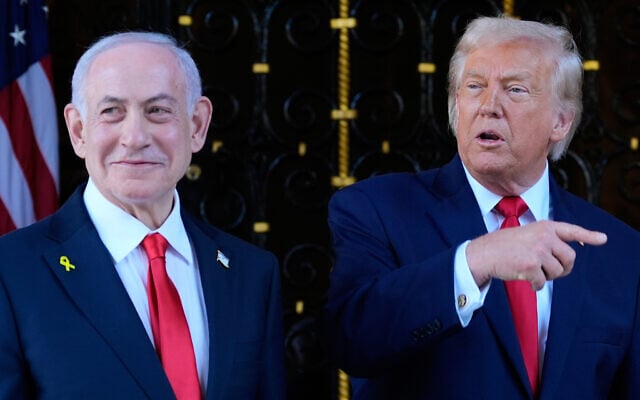
Fragile Ceasefire Faces Scrutiny
Although the ceasefire has reduced direct military confrontations, analysts caution that the agreement remains vulnerable to collapse. Historical tensions between Iran and Israel, coupled with deep political mistrust, have made lasting reconciliation difficult.
Observers note that ceasefires in the region often face challenges from isolated incidents, proxy conflicts, or competing strategic interests. Any perceived violation by either side could trigger renewed hostilities and quickly reverse recent diplomatic gains.
The current pause has allowed both nations to evaluate the impact of recent military exchanges and reassess their respective strategic positions. However, neither side has indicated a willingness to significantly alter its broader security doctrine.
Regional and Global Implications
The possibility of renewed confrontation continues to concern governments around the world. Several countries have urged restraint and called for diplomatic engagement to prevent another cycle of escalation.
A wider conflict involving Iran and Israel could affect critical shipping lanes, energy supplies, and international markets. The Middle East remains one of the world’s most strategically important regions, and instability there often produces consequences far beyond its borders.
Global leaders are closely monitoring developments, particularly in relation to Iran’s nuclear activities, regional alliances, and the role of major powers in shaping future security arrangements.
Diplomatic Challenges Ahead
Diplomats face the difficult task of preserving the ceasefire while addressing the underlying issues that have driven repeated confrontations. Negotiations involving regional stakeholders and international partners are expected to continue as efforts intensify to prevent another outbreak of violence.
Security analysts argue that lasting stability will require more than temporary military restraint. Broader agreements addressing security concerns, regional influence, and confidence-building measures may be necessary to reduce the risk of future conflict.
For now, the ceasefire remains in place, but statements from both Washington and Jerusalem suggest that military planning and strategic preparedness continue behind the scenes. As regional tensions persist, the international community remains watchful of any developments that could reshape the security landscape of the Middle East.
The coming weeks are likely to prove crucial in determining whether the current calm evolves into a sustainable diplomatic process or merely serves as a brief pause before another period of heightened confrontation.