

India’s aviation sector received a significant boost on Wednesday as the price of Aviation Turbine Fuel (ATF), commonly known as jet fuel, was reduced by approximately ₹5 per litre following a decline in international crude oil prices. The move comes after weeks of volatility in global energy markets and is expected to ease operational cost pressures on airlines.
Industry sources indicated that the revised ATF rate in Delhi now stands at around ₹110 per litre, marking a notable reduction from previous levels. The price revision reflects the softening trend in international oil benchmarks after geopolitical tensions in West Asia showed signs of easing and crude prices retreated from recent highs.
Relief for Airlines Facing High Fuel Costs
Fuel remains one of the largest expenses for airlines, often accounting for a substantial share of operating costs. As a result, even modest changes in ATF prices can have a meaningful impact on airline finances.
The latest reduction is expected to provide immediate cost relief to domestic carriers that have been managing elevated fuel expenses in recent months. The aviation industry had been under pressure due to rising energy costs triggered by geopolitical uncertainty and disruptions in global oil markets earlier this year.
With fuel expenditure representing a critical component of airline operating budgets, lower ATF prices could help carriers improve margins, reduce financial strain, and strengthen their ability to manage fluctuating market conditions.
Impact of Global Oil Market Developments
The reduction in jet fuel prices follows a broader decline in international crude oil rates. Energy markets have gradually stabilised after experiencing sharp volatility linked to regional conflicts and concerns over supply disruptions.
Recent easing of tensions in key oil-producing regions and the continued flow of global energy supplies have contributed to a downward correction in crude prices. This has allowed fuel pricing mechanisms to reflect lower input costs, benefiting sectors heavily dependent on petroleum products, including aviation.
Analysts note that fuel prices are closely tied to international crude benchmarks, and any sustained decline in oil rates generally creates room for reductions in aviation fuel costs. 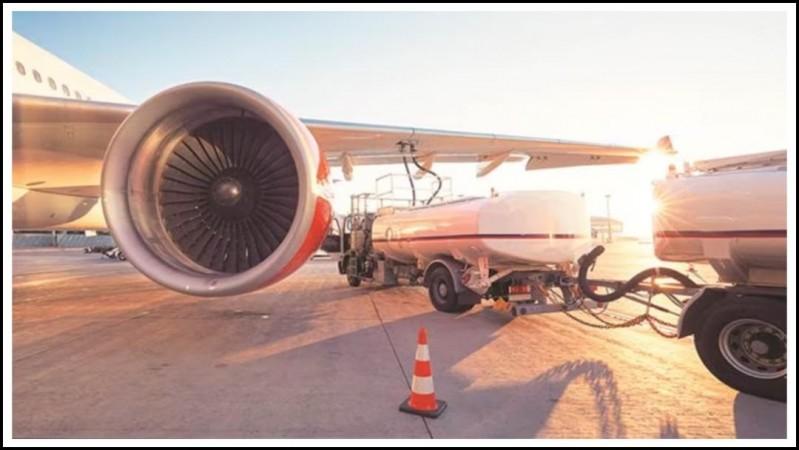
Could Airfares Become Cheaper?
While the ATF price cut offers financial relief to airlines, its direct impact on passenger airfares remains uncertain. Airline ticket prices are influenced by a variety of factors, including demand, route economics, airport charges, fleet utilisation, and competitive market dynamics.
However, lower fuel costs can help airlines avoid fare hikes and may support greater pricing flexibility, particularly during periods of moderate travel demand. Industry observers believe the reduction could contribute to fare stability if global oil prices remain under control.
Passengers are therefore more likely to benefit through reduced pressure on ticket prices rather than through immediate, across-the-board fare reductions.
Government Measures to Support the Aviation Sector
The fuel price revision comes amid broader efforts to shield the aviation industry from extreme energy market fluctuations. Policymakers have recently introduced measures aimed at providing greater predictability in fuel costs and protecting airlines from sudden spikes in global oil prices.
These initiatives reflect the strategic importance of the aviation sector, which plays a vital role in domestic connectivity, tourism, trade, and economic growth.
Outlook for the Aviation Industry
The latest reduction in ATF prices is being viewed as a positive development for India’s aviation sector at a time when airlines continue to focus on operational efficiency and financial sustainability. If international crude oil prices remain stable or continue their downward trend, airlines could experience further relief in fuel procurement costs over the coming months.
For now, the ₹5-per-litre cut represents a welcome easing of cost pressures and underscores the close relationship between global energy markets and the economics of air travel. As airlines navigate a competitive and evolving market environment, lower fuel prices could help support both industry profitability and passenger affordability.