
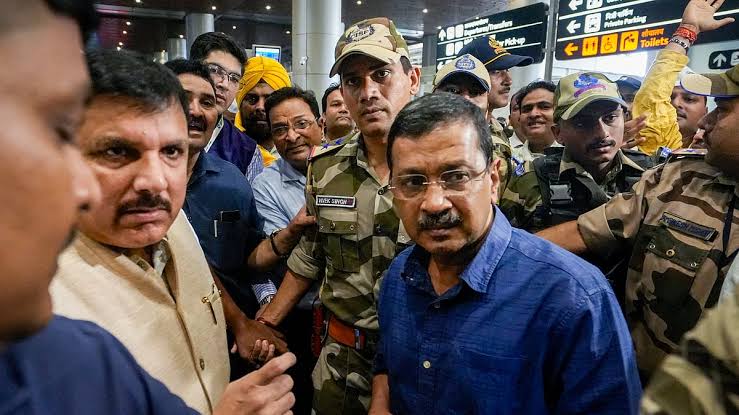
The political controversy surrounding the alleged embezzlement of donations at the Ram Temple in Ayodhya has intensified, with Aam Aadmi Party (AAP) national convenor Arvind Kejriwal expressing support for the Ayodhya legal fraternity’s decision to take a strong stand against those accused in the case. The development has added a new dimension to an issue that has already sparked significant public debate, legal scrutiny, and political reactions across the country.
Kejriwal welcomed the decision taken by the Faizabad Bar Association, which recently resolved not to provide legal representation to individuals accused in the alleged misappropriation of temple donations. The lawyers’ body also announced disciplinary measures against any member who chooses to defend the accused and demanded strict action in the matter.
Kejriwal Calls for Social Accountability
Speaking on the controversy, Kejriwal argued that the allegations have deeply hurt the sentiments of millions of devotees who contributed to the temple through donations made in faith and devotion. He maintained that the issue goes beyond a financial crime and touches upon the trust of people who supported the construction and maintenance of one of the country’s most significant religious sites.
The AAP leader called for a social boycott of those found responsible for the alleged wrongdoing. According to him, individuals accused of misusing funds donated by devotees should face not only legal consequences but also social accountability. He asserted that society must collectively reject corruption, especially when it involves money offered for religious and charitable purposes.
Kejriwal further suggested that those responsible for any wrongdoing should receive the strictest possible punishment under the law if the allegations are proven. He emphasized that public confidence in religious institutions depends heavily on transparency, accountability, and proper management of donated funds.
Ayodhya Lawyers Take an Unprecedented Stand
The controversy gained further attention after the Faizabad Bar Association passed a resolution refusing to represent the accused in court. The association reportedly argued that the alleged theft or embezzlement of temple offerings had hurt the sentiments of the local community and devotees across the nation.
In addition to declining legal representation for the accused, members of the legal body reportedly proposed punitive measures against any lawyer who chooses to take up their defense. The association’s decision has generated widespread discussion within legal and political circles regarding professional ethics, public sentiment, and the right to legal representation.
The lawyers’ body also sought stronger investigative measures and called for a deeper probe into the alleged irregularities surrounding temple donations. 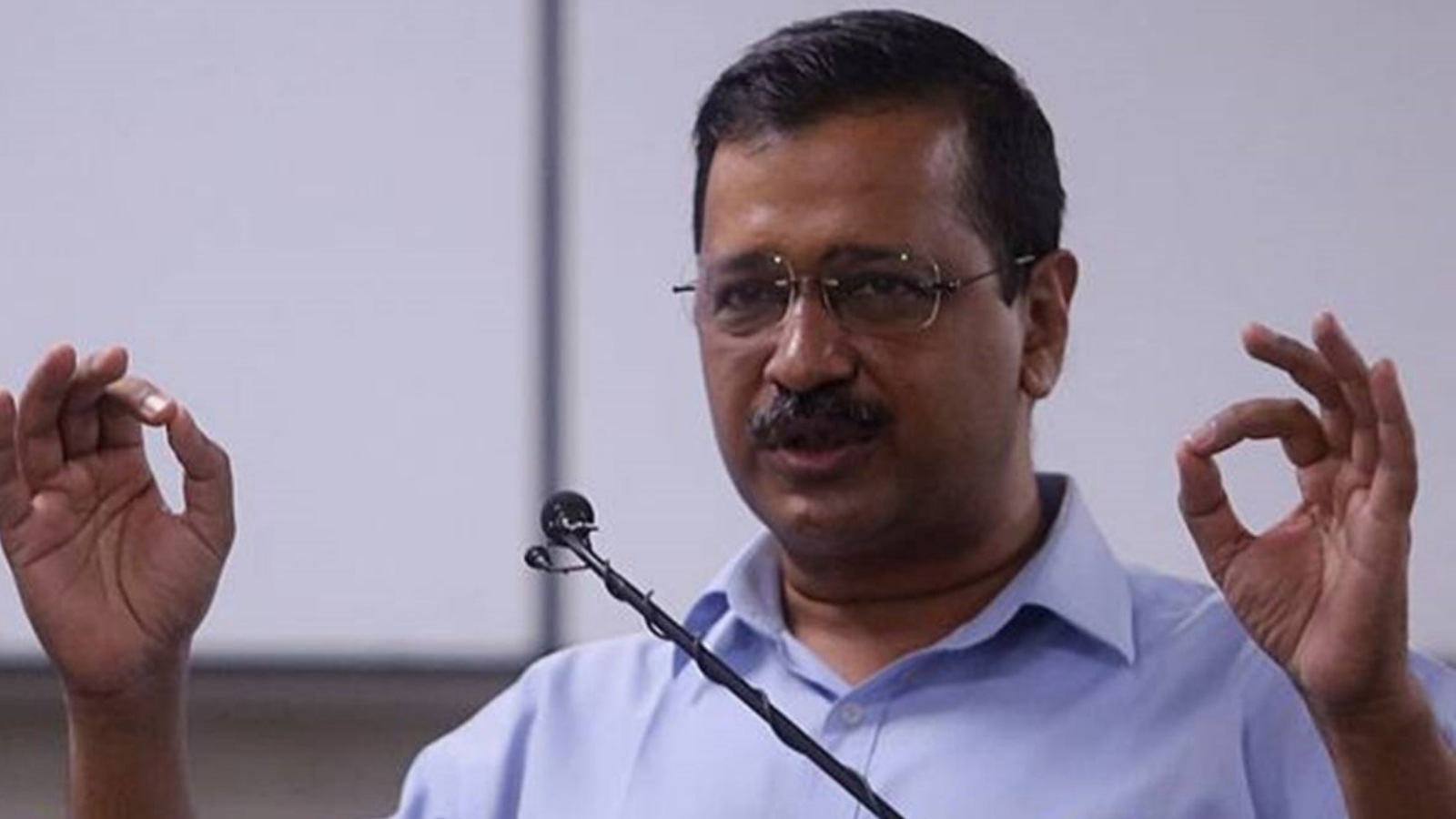
Background of the Donation Controversy
The controversy emerged after allegations surfaced regarding the misappropriation of funds and offerings linked to the Ram Temple. Law enforcement agencies initiated an investigation, and several individuals were reportedly arrested in connection with the case.
The allegations have attracted national attention due to the religious significance of the Ram Temple and the enormous public contributions made toward its development. The case has prompted demands from various quarters for a transparent and impartial investigation to determine the extent of the alleged wrongdoing and identify all those involved.
Investigators are reportedly examining financial records, donation management systems, and the movement of funds to establish accountability. As the probe continues, political leaders and social organizations have increasingly weighed in on the matter.
Political Reactions Intensify
The alleged donation scandal has quickly become a political flashpoint. Opposition leaders have questioned whether the investigation is sufficiently comprehensive and have demanded that all individuals connected to the management and oversight of temple funds be thoroughly examined.
Kejriwal has repeatedly alleged that the current investigation may not be targeting all those responsible and has called for a more transparent inquiry. He has argued that any attempt to shield influential figures would undermine public confidence in the investigative process.
The controversy has also prompted reactions from other opposition leaders, many of whom have called for greater financial transparency in institutions handling public and religious donations.
Meanwhile, supporters of the government have rejected allegations of any cover-up and have emphasized that the matter is being investigated according to legal procedures. They have accused opposition parties of attempting to politicize a sensitive issue for electoral gains.
Public Trust at the Center of the Debate
At the heart of the controversy lies the question of public trust. Millions of devotees contribute to religious institutions with the expectation that their offerings will be used responsibly and ethically. Any allegation of financial irregularity involving such institutions inevitably attracts widespread concern and emotional responses.
Observers note that the outcome of the investigation could have broader implications for how religious donations are monitored and managed in the future. Calls for stronger oversight mechanisms, improved auditing practices, and greater transparency have grown louder as the case unfolds.
For many devotees, the issue is not merely about financial accountability but also about preserving the sanctity and credibility of a religious institution that holds deep cultural and spiritual significance.
Investigation Continues
Authorities continue to investigate the allegations, and further legal proceedings are expected in the coming weeks. As the case progresses, attention remains focused on whether investigators can establish the full extent of the alleged embezzlement and identify all individuals who may have played a role.
The controversy is likely to remain in the spotlight as political leaders, legal bodies, religious organizations, and the public await the findings of the investigation. The outcome could shape future discussions on accountability, governance, and transparency in institutions that manage public donations and religious contributions.
This is a developing story, and additional details may emerge as the investigation advances.