
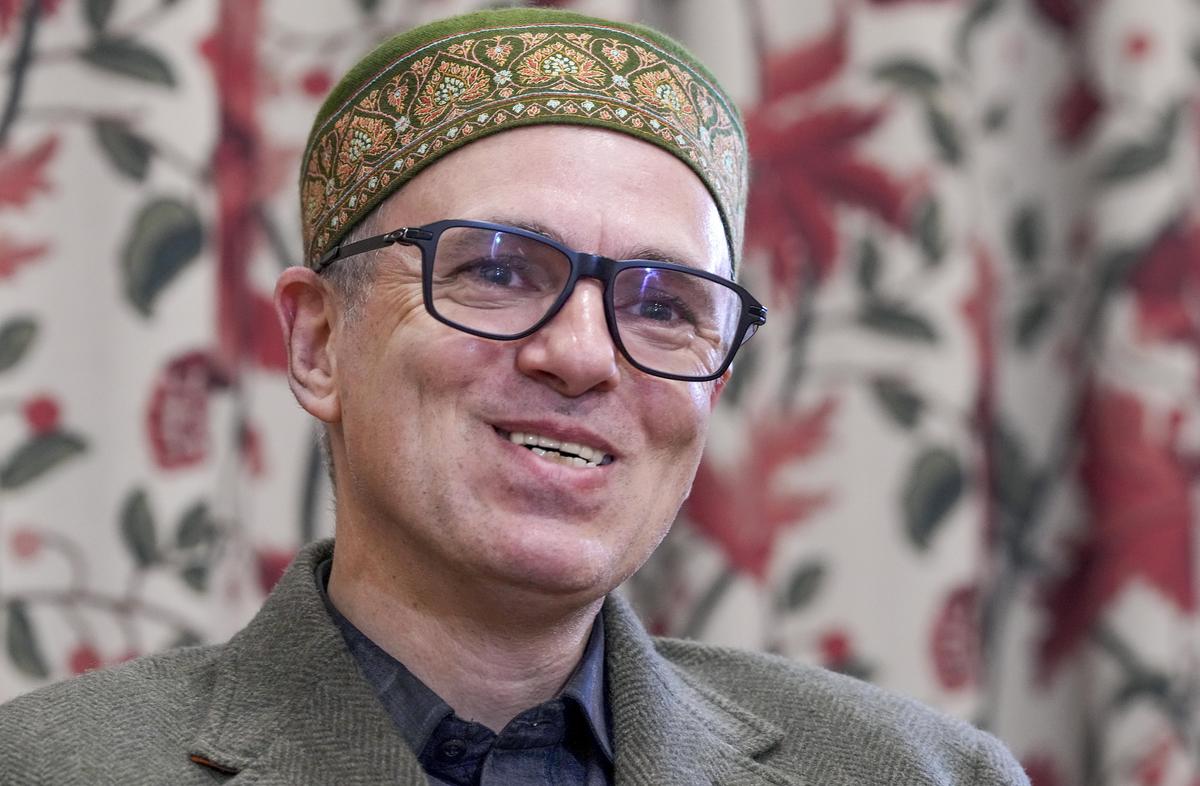
Srinagar: Jammu and Kashmir Chief Minister Omar Abdullah has formally urged Punjab Chief Minister Bhagwant Mann to intervene in an issue that has become a growing concern for livestock traders and transporters operating between the two regions. The matter revolves around allegations that livestock-carrying vehicles traveling through Punjab are being subjected to unauthorized fee collections despite possessing all legally required permits and documentation.
The appeal comes amid increasing complaints from traders who claim that these charges are creating financial burdens, disrupting the movement of livestock, and affecting the supply chain that supports the meat market in Jammu and Kashmir.
Concerns Raised by Livestock Traders
The issue was brought to the attention of the Jammu and Kashmir government by representatives of the All Kashmir Wholesale Mutton Dealers Union. According to the traders, vehicles transporting sheep and other livestock from markets outside Jammu and Kashmir are allegedly being stopped during transit through Punjab and asked to pay substantial amounts without any clear legal basis.
Transporters claim that the collections are reportedly linked to contractor groups associated with cattle fairs operating in various parts of Punjab. Despite carrying valid transportation permits and complying with statutory requirements, livestock vehicles are allegedly facing repeated interruptions.
Traders argue that such practices are causing significant delays, increasing operational costs, and creating uncertainty in an industry that depends heavily on timely transportation.
Impact on Trade and Supply Chains
The transportation of livestock plays a critical role in ensuring a steady supply of meat products across Jammu and Kashmir. Any disruption along transit routes can have immediate consequences for traders, retailers, and consumers.
According to concerns raised by industry stakeholders, repeated stoppages and additional charges increase transportation expenses, which are eventually passed on to consumers through higher meat prices. Traders have warned that continued financial pressure could make livestock imports more difficult and reduce market availability.
The issue has also sparked fears of supply disruptions, particularly if transporters become reluctant to move livestock through routes where they face repeated financial demands. 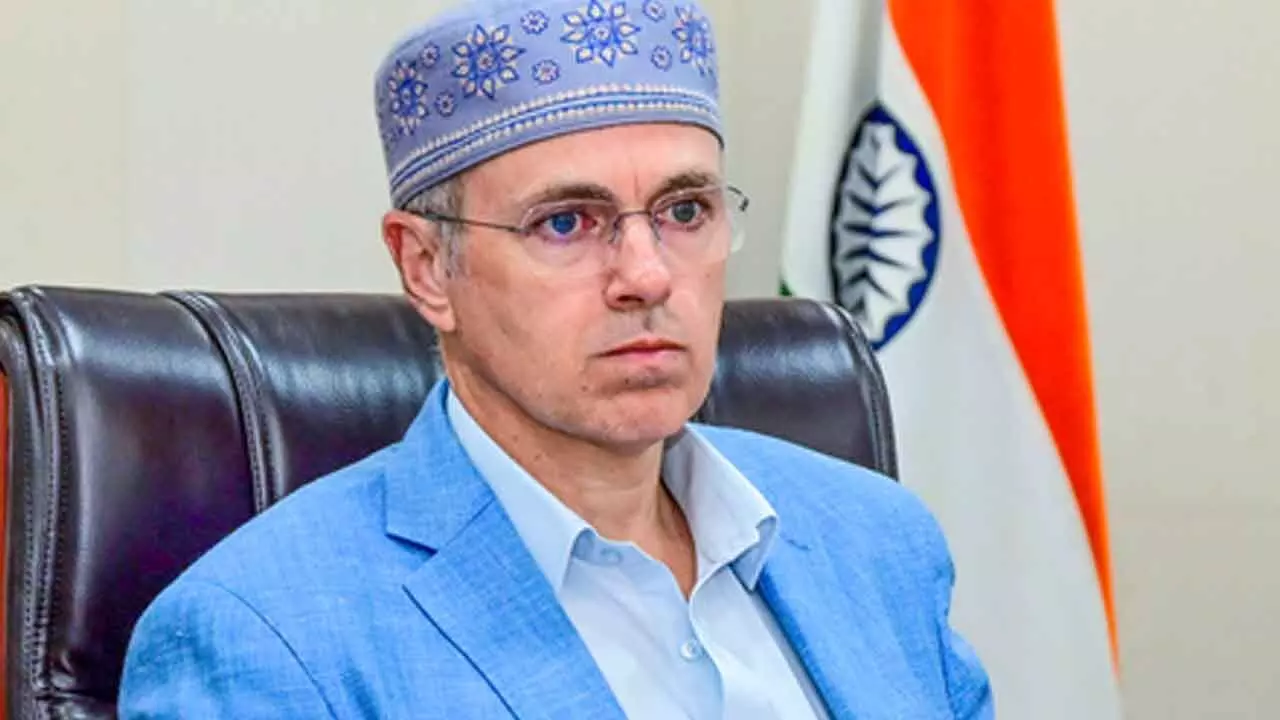
Internal Inquiry Highlights Concerns
The Jammu and Kashmir government reportedly examined the matter through an internal assessment conducted by the Department of Food, Civil Supplies and Consumer Affairs.
Findings from the review indicated that transporters may be compelled to make substantial payments while passing through Punjab, despite there being no apparent legal sanction for such collections. Officials also noted that livestock transportation is exempt from Goods and Services Tax (GST), raising further questions regarding the legitimacy of the reported charges.
The inquiry suggested that continued imposition of such fees could place an unnecessary burden on the livestock trade while increasing costs throughout the supply chain.
Animal Welfare Issues Emerge
Beyond financial implications, concerns have also been raised regarding animal welfare. Livestock transporters report that prolonged stoppages on highways and checkpoints can create stressful conditions for animals being transported over long distances.
Extended delays during transit, particularly during periods of extreme weather, can negatively affect the health and welfare of livestock. Traders argue that ensuring uninterrupted movement is essential not only for business operations but also for maintaining proper standards of animal care.
Appeal for Immediate Intervention
In his communication to the Punjab government, Omar Abdullah emphasized the longstanding relationship between Punjab and Jammu and Kashmir, describing it as one built on cooperation, economic interdependence, and mutual support.
He stated that any unauthorized practices affecting traders from Jammu and Kashmir would be inconsistent with the spirit of collaboration that has historically existed between the two regions.
The Chief Minister requested that the Punjab government examine the allegations thoroughly and take necessary measures to ensure that livestock transport vehicles can move smoothly, securely, and without unnecessary interference. He also sought assurances that transporters complying with all legal requirements would not face unauthorized collections or disruptions during transit.
Concerns Over Future Contracts
Another aspect highlighted in the communication relates to the upcoming tendering process associated with cattle fairs in Punjab. Stakeholders have expressed concern that unless preventive safeguards are introduced, the alleged fee collection practices could continue under future contractual arrangements.
Traders fear that recurring charges could result in long-term financial hardship, affecting not only transporters and wholesalers but also consumers who ultimately bear the cost of higher market prices.
Economic Significance of the Issue
The livestock trade represents an important economic link between northern Indian states and Jammu and Kashmir. Thousands of animals are transported annually to meet consumer demand, making efficient interstate movement essential for market stability.
Industry representatives believe that resolving the dispute quickly would help restore confidence among traders, prevent future supply disruptions, and protect consumers from additional price increases.
As discussions continue between the two governments, traders and transporters are hoping for a swift resolution that ensures lawful, transparent, and uninterrupted movement of livestock across state borders while safeguarding both economic interests and animal welfare.
The matter is expected to remain under close watch as authorities evaluate the concerns raised by traders and explore measures to prevent unauthorized interference in interstate livestock transportation.