
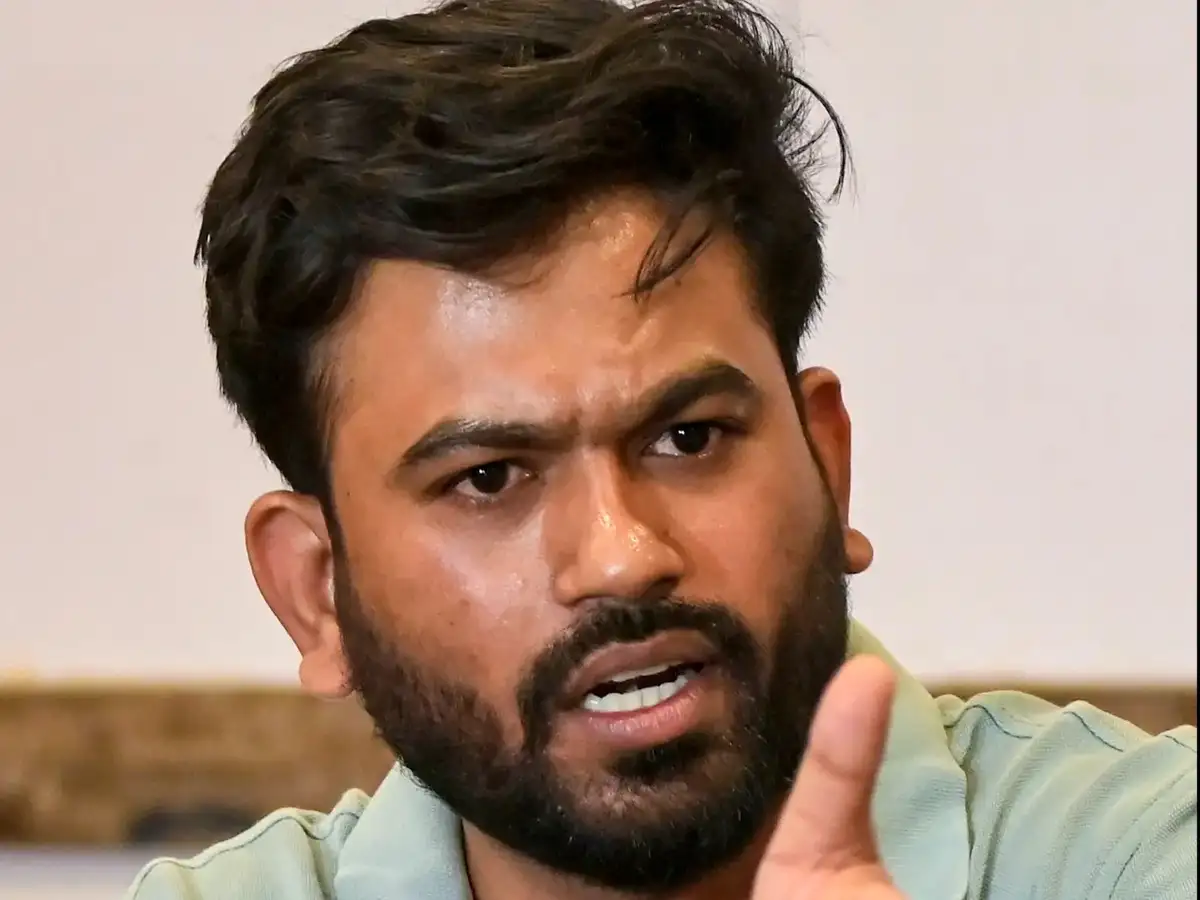
A fresh debate has erupted across social media after Abhijeet Dipke, founder of the Cockroach Janta Party (CJP), publicly criticized comedian Samay Raina’s popular show India’s Got Latent, describing it as a platform that reflects privilege rather than struggle. His remarks have generated widespread reactions online, with supporters and critics engaging in a heated discussion about privilege, success, comedy, and public responsibility.
Dipke’s comments came during a candid conversation in which he was asked whether he would consider appearing on India’s Got Latent if invited. His response was immediate and unequivocal.
Dipke Rejects the Idea of Appearing on the Show
When questioned about the possibility of joining the show, Dipke stated that he would decline any invitation. He explained that his reluctance was not based merely on personal preference but on what he sees as a broader mindset represented by the program and some of the views associated with it.
According to Dipke, he disagrees with the idea that individuals should avoid difficult battles and instead choose easier routes when faced with challenges. He suggested that such an approach is often available only to people who possess social, economic, or cultural advantages.
His remarks quickly drew attention online, particularly because they appeared to indirectly reference comments made by Samay Raina in his stand-up material and public appearances. Dipke argued that certain perspectives expressed by successful public figures may not reflect the realities faced by ordinary people who lack similar opportunities and resources.
Social Media Divided Over the ‘Privilege’ Remark
The comments soon went viral, leading to sharply divided reactions across social media platforms.
Many users applauded Dipke for raising questions about privilege and accountability. Supporters argued that public figures often enjoy opportunities and protections unavailable to the average citizen, making discussions about privilege relevant and necessary.
However, critics were equally vocal. Several users pointed out that Dipke himself studied in the United States and earned a master’s degree from a prestigious university. They questioned whether someone with access to international education and global opportunities could reasonably criticize others for being privileged.
Numerous social media users highlighted what they viewed as a contradiction in Dipke’s argument, suggesting that educational opportunities abroad are themselves indicators of privilege. Others defended him, arguing that acknowledging one’s own advantages does not prevent someone from criticizing broader social inequalities.
The disagreement quickly evolved into a wider conversation about how privilege should be defined and whether successful individuals can meaningfully comment on social and political issues. 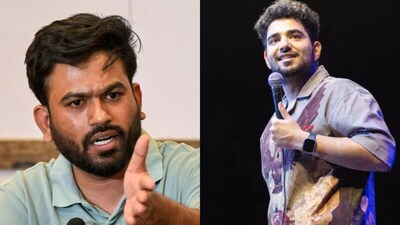
Samay Raina’s Recent Return to the Spotlight
The controversy has gained additional attention because it comes at a time when Samay Raina has been enjoying renewed popularity through the second season of India’s Got Latent.
The comedian returned with the latest season after the show previously faced significant controversy. The earlier season became the subject of public criticism and legal scrutiny, leading to intense discussions about the limits of comedy, freedom of expression, and online content regulation.
Despite those challenges, the new season has attracted massive viewership and generated strong engagement across digital platforms. Celebrity appearances and viral moments have further contributed to the show’s popularity, helping it regain momentum among audiences.
Raina’s Views on Controversy and Public Backlash
In his stand-up special Still Alive, Raina addressed the controversies surrounding him and reflected on the pressure that accompanies public scrutiny.
The comedian spoke about facing legal complaints, criticism, and calls for accountability during one of the most challenging periods of his career. Through humor and personal anecdotes, he discussed how public controversies can affect artists and performers.
His reflections on free speech, public criticism, and the consequences of controversial jokes became widely discussed among fans and commentators. Those comments have since become part of broader debates about comedy’s role in society and the responsibilities that come with public influence.
A Larger Conversation Beyond Entertainment
What began as a simple question about appearing on a comedy show has evolved into a larger discussion about privilege, success, social mobility, and the responsibilities of public figures.
Dipke’s criticism has resonated with some audiences who believe influential personalities should acknowledge the advantages that helped shape their careers. Others argue that success stories should not automatically be dismissed as products of privilege alone.
The exchange also highlights how entertainment programs increasingly become platforms for wider social and political discussions. As comedians, activists, influencers, and public commentators continue to shape public discourse, debates surrounding privilege and accountability are likely to remain prominent.
For now, neither side of the argument appears willing to back down. While Dipke’s comments have intensified scrutiny of India’s Got Latent and its cultural impact, they have also reignited questions about who gets to define privilege in contemporary India—and whether success itself can ever be separated from the opportunities that make it possible.