
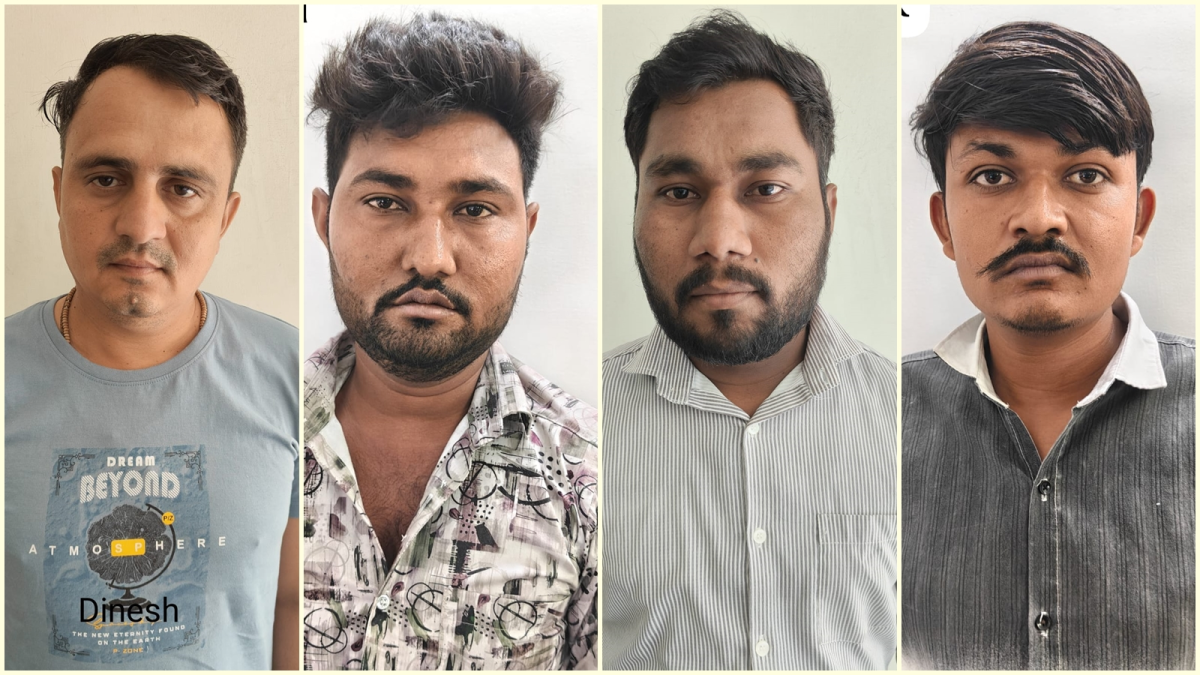
In a major breakthrough that has raised serious concerns about the integrity of the blood supply chain, Gujarat Police have uncovered an alleged inter-state racket involving the adulteration and illegal sale of blood plasma. The investigation has already led to the arrest of four individuals and the seizure of more than 1,100 units of suspected adulterated plasma, while authorities have expanded their probe to multiple blood banks in Maharashtra.
Officials describe the case as one of the most significant healthcare-related fraud investigations in recent years, with potential implications for patient safety, pharmaceutical manufacturing, and blood banking operations across state borders.
Four Arrested in Major Plasma Adulteration Case
The Ahmedabad Rural Police’s Special Operations Group (SOG) arrested four individuals accused of orchestrating a sophisticated scheme that allegedly involved replacing genuine blood plasma with adulterated or substandard material before it reached pharmaceutical processing facilities.
Investigators seized approximately 1,140 units of suspected adulterated plasma during the operation. The recovered stock is estimated to be worth several lakh rupees in the market.
According to police officials, the accused allegedly manipulated plasma consignments that were intended for pharmaceutical companies involved in plasma processing and manufacturing critical medical products. Authorities believe the operation may have been active for several months before it was detected.
Former Industry Executive Allegedly Led the Operation
Police investigations indicate that the alleged mastermind had previous experience working in the blood plasma collection and pharmaceutical sector. Investigators suspect that his familiarity with industry procedures, transportation routes, and supply chain mechanisms enabled the group to carry out the fraud without immediate detection.
Authorities allege that genuine plasma units were removed from consignments and replaced with adulterated substitutes. The original plasma was then allegedly diverted and sold separately at discounted rates through an illegal distribution network.
The investigation suggests that the operation relied on carefully coordinated transportation arrangements and logistical planning to conceal the substitutions and maintain the appearance of legitimate deliveries. 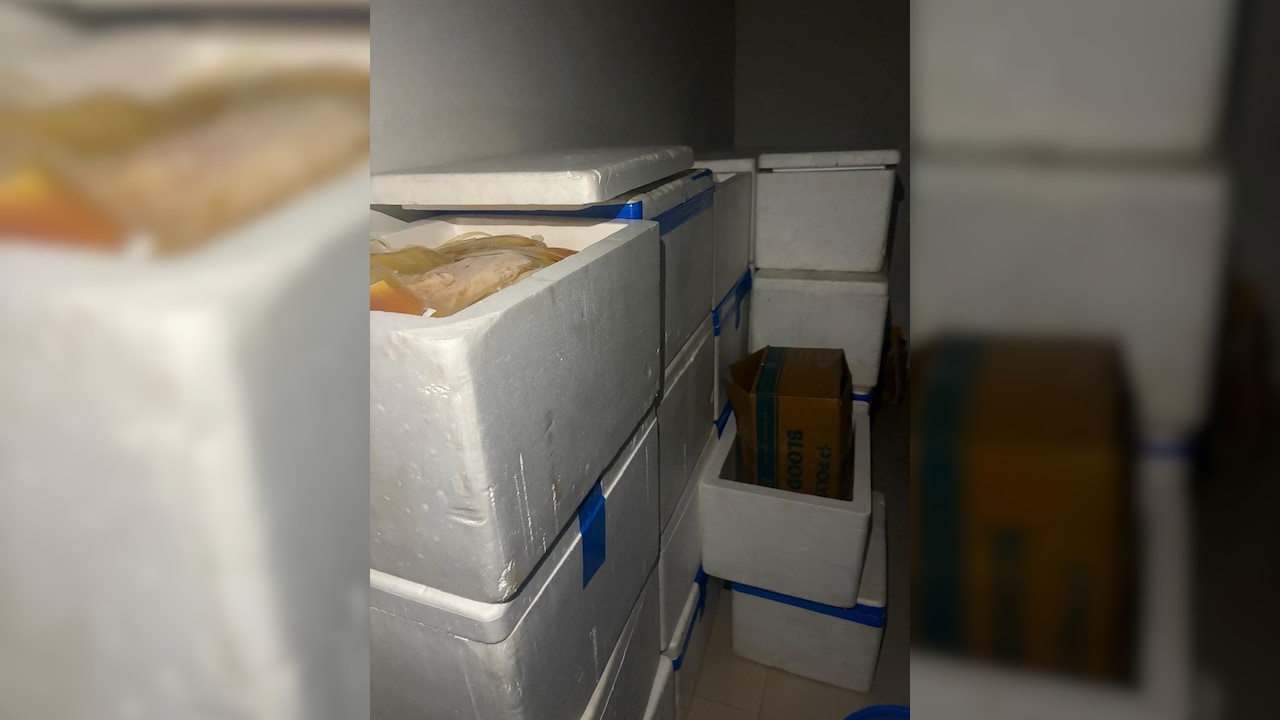
Maharashtra Blood Banks Come Under Scanner
As the investigation progressed, police traced portions of the suspected network to Maharashtra, where multiple blood banks have come under scrutiny.
Authorities are examining whether certain blood banks knowingly or unknowingly received adulterated plasma supplies. Investigators are also reviewing procurement records, transportation details, and transaction histories to determine the extent of the network’s reach.
Officials believe that plasma sourced from several facilities in Maharashtra was linked to the ongoing investigation. The focus now is on identifying how the adulterated material moved through the supply chain and whether additional entities were involved in its distribution.
The inquiry is expected to involve coordination between law enforcement agencies, health departments, and regulatory authorities from multiple states.
Pharmaceutical Quality Checks Triggered Suspicion
The alleged fraud reportedly came to light after quality-control procedures conducted by a pharmaceutical company identified irregularities in plasma consignments received for processing.
The company reportedly detected abnormalities during routine testing, leading to concerns about the authenticity and quality of the plasma units. These findings prompted further scrutiny, eventually resulting in a police investigation.
Authorities credit strict testing protocols and compliance procedures with helping expose the suspected manipulation before the material could enter further stages of pharmaceutical production.
Serious Public Health Concerns
Healthcare experts and law enforcement officials have expressed alarm over the potential risks associated with adulterated plasma. Blood plasma is a critical component used in the production of life-saving therapies for patients suffering from immune disorders, bleeding conditions, and other serious illnesses.
Improper handling, contamination, dilution, or substitution of plasma can compromise product safety and effectiveness. Investigators have indicated that some of the seized material may not have been stored according to established medical guidelines, raising additional concerns about quality and safety.
Authorities are now assessing whether any compromised material may have entered wider circulation and whether additional preventive measures are required. 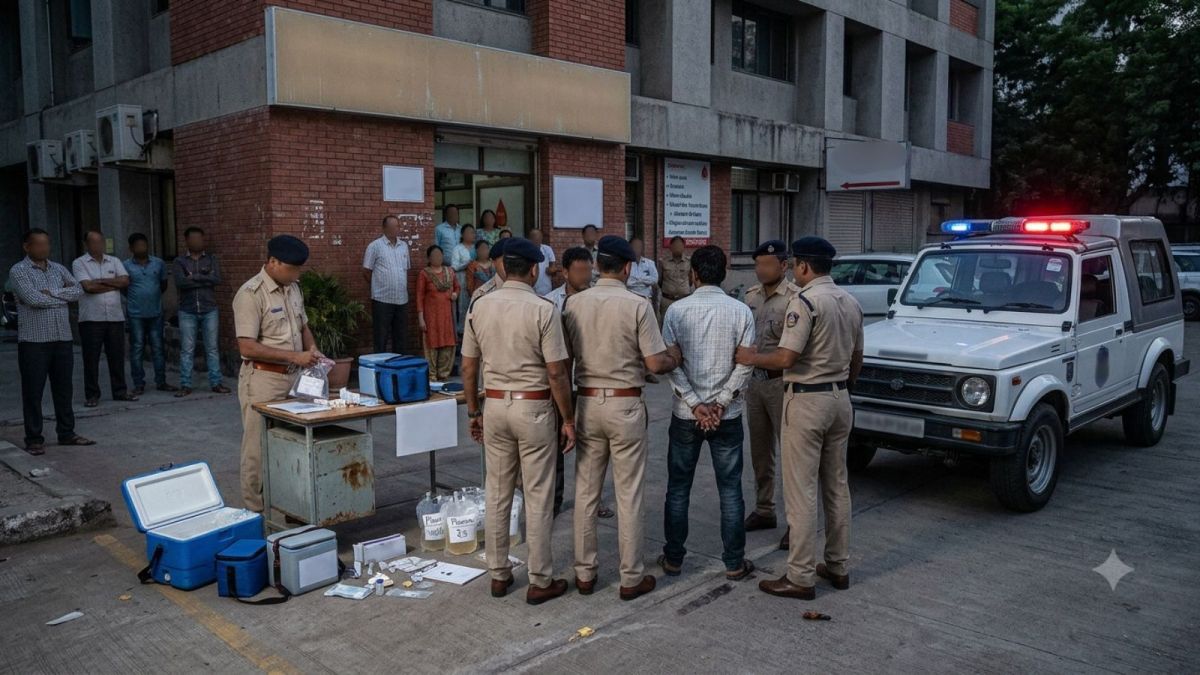
Wider Investigation Underway
The case has prompted heightened monitoring of blood banking operations and plasma collection systems. Regulatory agencies are expected to review compliance standards, storage practices, transportation protocols, and tracking mechanisms to prevent similar incidents in the future.
Police officials believe the arrests may represent only the initial phase of a broader investigation. Additional suspects, financial transactions, and business connections are being examined as investigators work to map the full extent of the network.
Authorities have also begun sharing information with health regulators and blood transfusion monitoring bodies to strengthen oversight and identify any vulnerabilities in the existing system.
Focus on Strengthening Blood Supply Integrity
The exposure of the alleged racket has renewed attention on the need for stricter safeguards within India’s blood collection and plasma distribution ecosystem. Experts emphasize that transparency, traceability, and rigorous quality-control measures are essential to maintaining public trust and protecting patients who rely on blood-derived therapies.
As investigations continue across Gujarat and Maharashtra, officials are expected to pursue further arrests, verify the authenticity of plasma stocks, and determine whether additional healthcare institutions were affected by the suspected fraud.
The case remains under active investigation, with authorities working to establish the full scale of the operation and ensure accountability for those involved.