
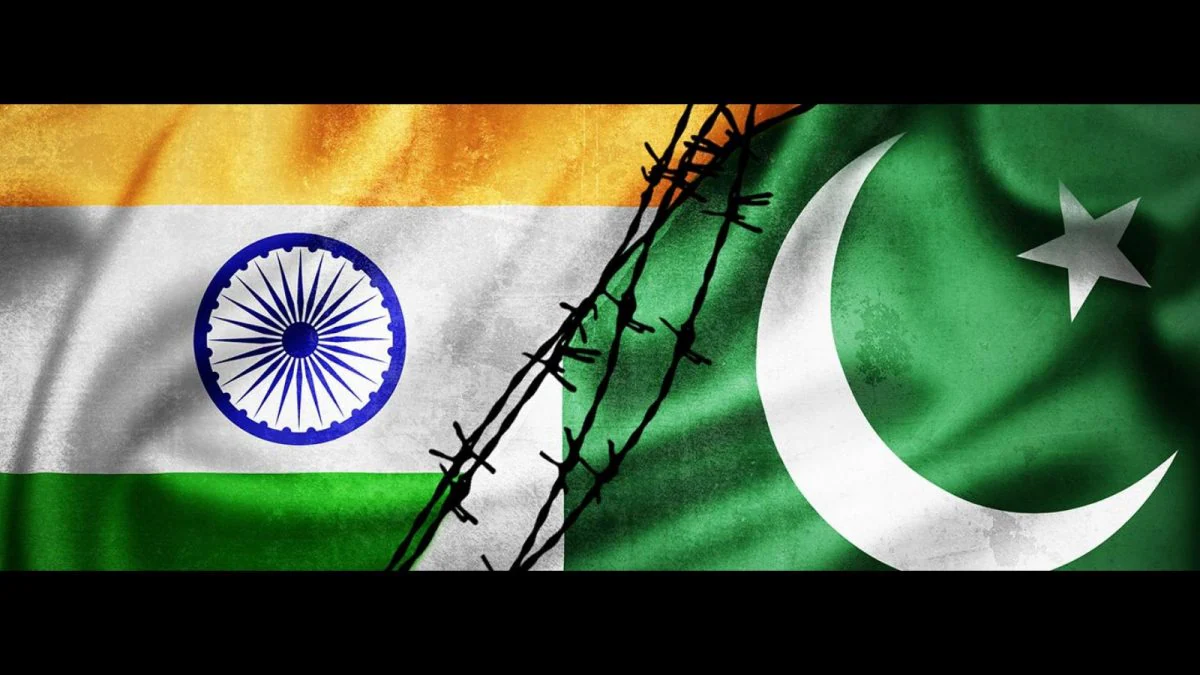
India has strongly reaffirmed its support for the Financial Action Task Force (FATF), the global watchdog responsible for combating money laundering and terror financing, while delivering a pointed message to countries that challenge the organization’s credibility. Speaking at a United Nations event focused on counter-terrorism, India emphasized that efforts to undermine FATF’s work often stem from discomfort with international scrutiny rather than legitimate concerns about procedure or fairness.
The remarks came during the 2026 United Nations Counter-Terrorism Week, where representatives from various nations discussed emerging threats and evolving methods used by terrorist organizations to secure funding. India used the platform to underline the growing complexity of terror financing networks and the importance of international cooperation in addressing them.
India Calls FATF an Essential Pillar of Counter-Terrorism Efforts
Addressing delegates at the event, India’s Permanent Representative to the United Nations, Parvathaneni Harish, described FATF as an indispensable institution in the global fight against terrorism financing.
He stressed that FATF’s assessments are based on technical evaluations, evidence, and internationally accepted standards. According to India, countries that find themselves under increased monitoring should focus on addressing deficiencies rather than attempting to discredit the organization’s processes.
India argued that credible compliance with international norms remains the most effective response to FATF scrutiny. The country maintained that governments must ensure their territories, institutions, and financial systems are not exploited to support extremist activities or facilitate terrorism.
Veiled Reference to Pakistan
Although no country was explicitly named in the remarks, the statements were widely interpreted as a reference to Pakistan, which has faced FATF monitoring in the past.
Pakistan remained on FATF’s grey list from 2018 until 2022, a designation reserved for jurisdictions under increased monitoring due to strategic deficiencies in their anti-money laundering and counter-terror financing frameworks. Countries on the grey list are expected to implement reforms within agreed timelines while remaining subject to enhanced oversight. 
India has repeatedly accused Pakistan of allowing terrorist groups and their financial networks to operate from its territory. New Delhi has long maintained that terrorists and those who finance them are inseparable components of the same security challenge.
Growing Concerns Over Digital Terror Financing
A major focus of India’s intervention was the changing nature of terror financing in the digital age. Officials warned that technological advancements have created new avenues through which extremist organizations can raise, transfer, and conceal funds.
India highlighted concerns over the use of social media platforms, crowdfunding mechanisms, prepaid financial instruments, and other digital technologies that have increasingly become part of the infrastructure supporting terrorist activities. These evolving tools, India argued, make tracking illicit financial flows more difficult and require stronger international coordination and regulatory oversight.
The Indian delegation emphasized that emerging technologies have complicated the identification of funding sources and channels, making it necessary for governments and international bodies to continuously adapt their counter-terror financing strategies.
Call for Stronger Global Cooperation
India urged the international community to remain united in confronting terrorism and its financing networks. Officials stressed that terrorism is a transnational threat that cannot be effectively addressed by individual countries acting alone.
The country advocated for a response rooted in FATF standards and international best practices, arguing that a consistent and evidence-based approach is essential for maintaining global security. India also called for greater accountability from states whose territories or financial systems may be vulnerable to exploitation by extremist groups.
India’s Growing Role Within FATF
The remarks come at a time when India’s influence within the FATF framework is increasing. Recently, senior Indian bureaucrat Vivek Aggarwal was appointed Vice-President of FATF for the 2026–2027 term, marking a significant milestone for India within the global anti-money laundering and counter-terror financing body.
The development has been viewed as recognition of India’s growing role in shaping international financial security standards and strengthening global efforts against illicit financial networks.
Understanding FATF’s Grey List
The FATF grey list consists of jurisdictions identified as having strategic weaknesses in their anti-money laundering and counter-terror financing regimes but that have committed to resolving those shortcomings under FATF supervision.
Countries on the list face heightened monitoring and often encounter increased scrutiny from international financial institutions, investors, and regulatory bodies. Such designation can affect investor confidence and complicate access to international financial markets.
At present, multiple countries remain under FATF’s increased monitoring framework, reflecting the organization’s ongoing efforts to strengthen global financial integrity and prevent the misuse of financial systems for criminal and terrorist purposes.
Conclusion
India’s latest intervention at the United Nations underscores its continued focus on combating terrorism and disrupting financial networks that sustain extremist activities. By strongly backing FATF and defending its credibility, New Delhi has reinforced its position that effective counter-terrorism requires rigorous international standards, transparent compliance, and collective global action. As terrorist financing methods continue to evolve through digital technologies and cross-border networks, India is advocating for stronger cooperation and stricter accountability to ensure that global security mechanisms remain effective and resilient.