
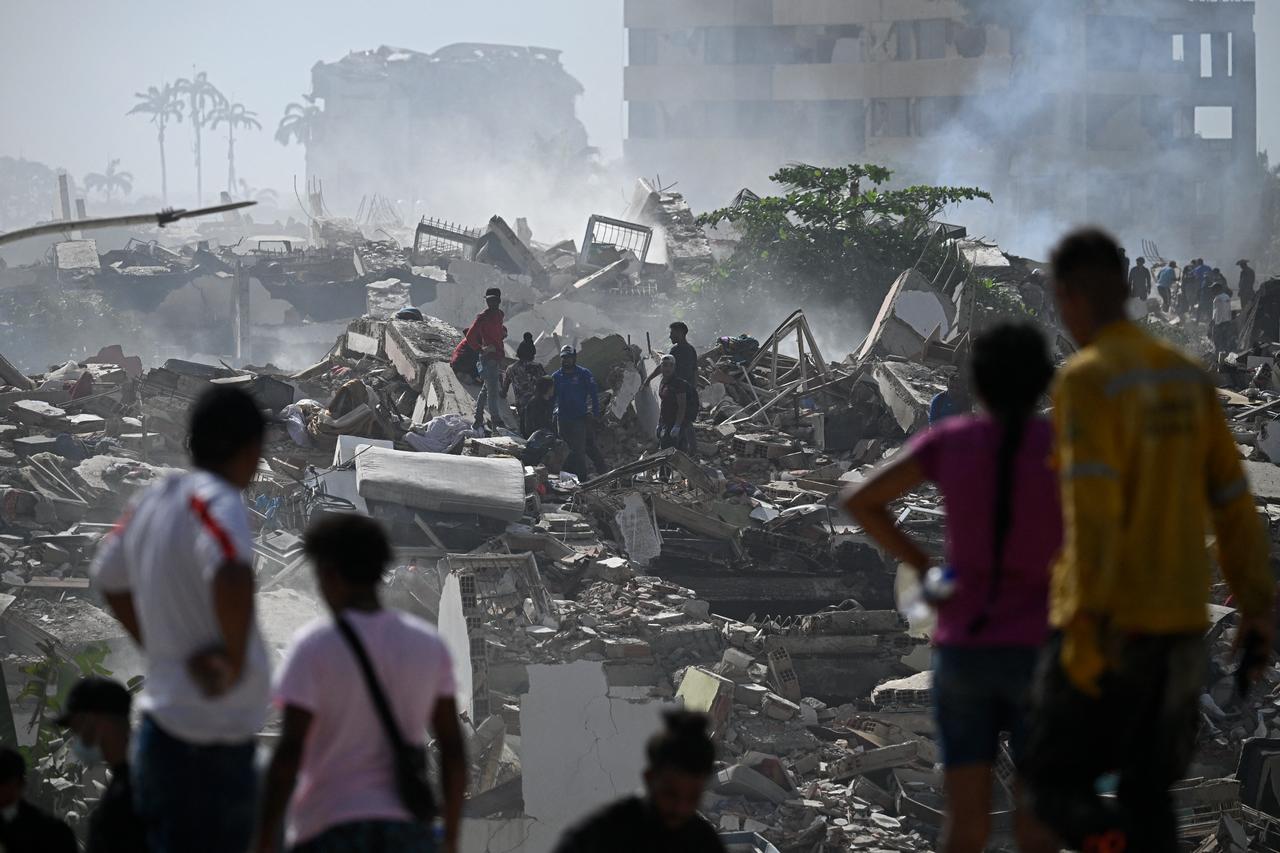
The death toll from the devastating earthquake that struck Venezuela has risen to at least 235, authorities confirmed, as rescue teams continue an urgent race against time to locate survivors trapped beneath collapsed buildings and debris.
The powerful quake caused widespread destruction across several affected regions, leaving thousands of residents displaced and triggering a large-scale emergency response. Rescue personnel, supported by military units, emergency workers, medical teams, and volunteers, have been working around the clock in dangerous conditions to search for survivors and provide assistance to those affected.
Officials warned that the casualty count could continue to rise as search operations expand into heavily damaged areas where communication and transportation infrastructure have been severely disrupted.
Extensive Damage Across Affected Regions
The earthquake unleashed significant devastation, flattening homes, damaging public buildings, and causing critical infrastructure failures. Entire neighborhoods have been reduced to rubble, while roads, bridges, and utility networks suffered extensive damage.
Witnesses described scenes of chaos as buildings collapsed and residents rushed into open spaces seeking safety. Hospitals and emergency shelters have been overwhelmed by the influx of injured individuals requiring urgent medical treatment.
Authorities reported that thousands of people have lost access to electricity, clean water, and other essential services. Emergency shelters have been established to accommodate displaced families, while aid agencies are coordinating the distribution of food, water, medicine, and temporary housing materials.
Rescue Teams Continue Search for Survivors
Search-and-rescue operations remain the highest priority as emergency responders use specialized equipment, search dogs, drones, and heavy machinery to locate individuals believed to be trapped beneath collapsed structures.
Rescue officials emphasized that the first few days following a major earthquake are critical for finding survivors. Teams have been conducting meticulous searches in residential districts, commercial zones, and public facilities that suffered severe structural damage.
Several survivors have already been pulled from the rubble, offering moments of hope amid the tragedy. However, rescuers continue to face significant challenges, including unstable buildings, aftershocks, blocked roads, and difficult weather conditions.
Emergency authorities urged residents to remain alert and follow safety instructions as the possibility of additional seismic activity remains a concern.

Government Mobilizes Emergency Response
National authorities have activated emergency management systems and deployed additional resources to the worst-affected areas. Government agencies are coordinating closely with local administrations, security forces, healthcare providers, and humanitarian organizations to accelerate rescue and relief efforts.
Medical teams have established field hospitals to treat the injured, while engineers are assessing the structural integrity of damaged buildings. Officials are also working to restore essential services and reopen critical transportation routes to facilitate the delivery of aid.
Leaders have expressed condolences to the families of those who lost their lives and pledged continued support for communities impacted by the disaster.
International Support and Humanitarian Assistance
The scale of the disaster has prompted offers of assistance from several countries and international organizations. Humanitarian agencies have begun mobilizing emergency supplies, technical expertise, and financial aid to support ongoing rescue operations and recovery efforts.
Disaster response experts warned that the humanitarian impact could extend well beyond the immediate aftermath of the earthquake, particularly in areas where housing, healthcare facilities, and public infrastructure sustained severe damage.
Relief organizations are focusing on providing emergency shelter, medical care, sanitation services, and psychological support to affected communities.
Long Road to Recovery
As rescue operations continue, attention is gradually turning toward the long-term recovery process. Rebuilding damaged infrastructure, restoring essential services, and helping displaced families return to stable living conditions are expected to require substantial resources and time.
Experts noted that the disaster underscores the vulnerability of earthquake-prone regions and highlights the importance of resilient infrastructure, emergency preparedness, and rapid-response capabilities.
For now, rescue teams remain focused on locating survivors and providing immediate assistance to those affected, while families across the country wait anxiously for news of missing loved ones.
The rising death toll serves as a stark reminder of the earthquake’s devastating impact, with authorities warning that the full extent of the disaster may not be known until rescue and assessment efforts are completed.