
The United States has announced a major humanitarian assistance package worth $150 million for Venezuela following the devastating earthquake that has caused widespread destruction, loss of life, and a growing humanitarian crisis across several affected regions. The emergency aid initiative includes the deployment of military aircraft, naval vessels, search-and-rescue teams, medical personnel, and critical relief supplies aimed at supporting Venezuelan authorities in managing the aftermath of the disaster.
The announcement marks one of the most significant international responses to the earthquake so far, highlighting the scale of the devastation and the urgent need for coordinated global assistance. The aid package is expected to support rescue operations, emergency healthcare services, food distribution, temporary shelter programs, and long-term recovery efforts.
Massive Humanitarian Operation Underway
According to officials, the United States is mobilizing a broad range of resources to ensure rapid delivery of aid to affected communities. Military transport aircraft have been tasked with carrying emergency supplies, including medical equipment, water purification systems, food stocks, power generators, and temporary housing materials.
In addition, naval vessels equipped with logistical support capabilities and medical facilities are being deployed to assist coastal regions that have been severely impacted by infrastructure damage. These assets are expected to help transport relief supplies and provide critical support where roads and communication networks have been disrupted.
Emergency response teams specializing in disaster management, urban search-and-rescue operations, and medical treatment are also being dispatched to assist local authorities and humanitarian organizations working on the ground.
Earthquake Leaves Widespread Destruction
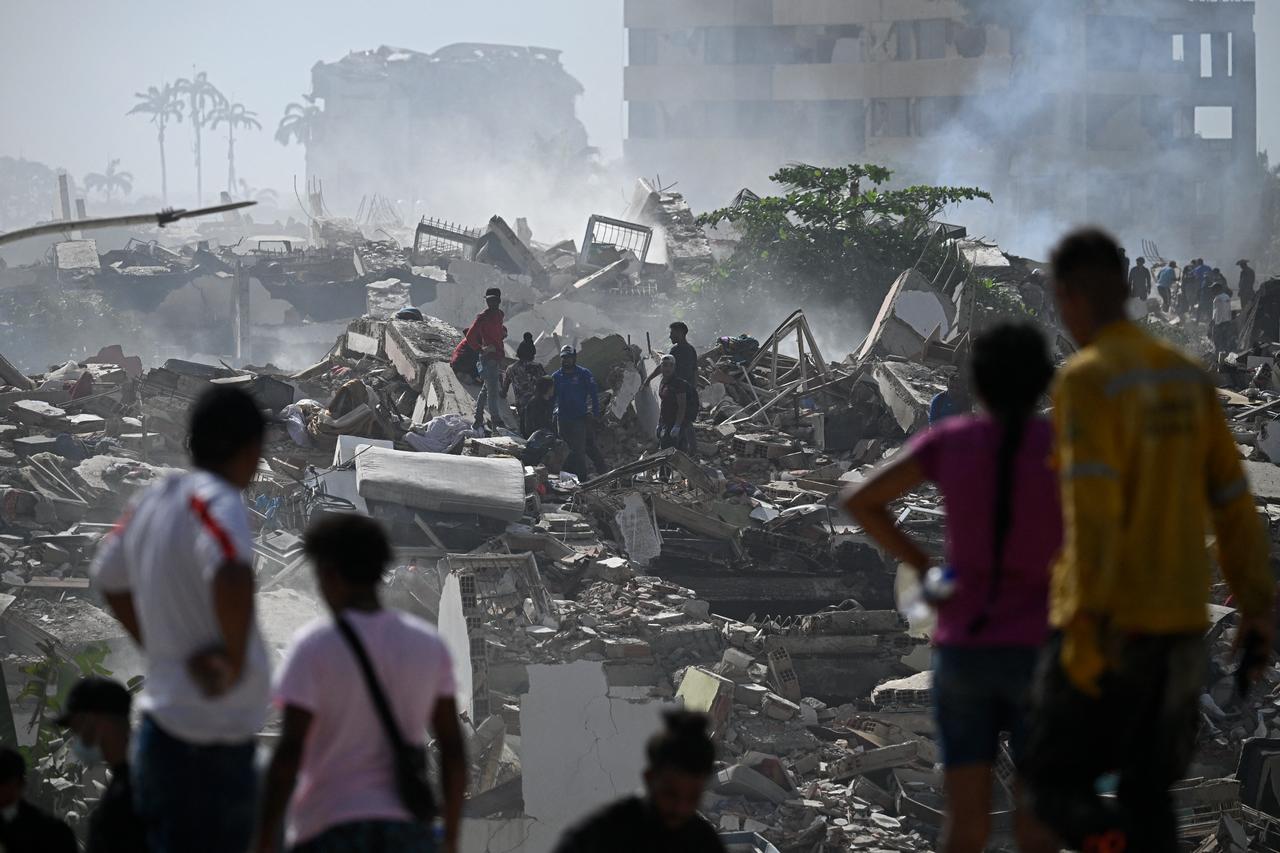
The earthquake has left entire communities struggling with collapsed buildings, damaged transportation networks, power outages, and shortages of essential supplies. Rescue teams continue to search through rubble in hopes of locating survivors while emergency shelters accommodate thousands of displaced residents.
Hospitals and healthcare facilities in several regions have reportedly been overwhelmed by the influx of injured victims. The destruction of infrastructure has complicated rescue efforts, making international assistance increasingly important in reaching isolated communities.
Authorities continue to assess the full scale of the damage, with estimates suggesting that reconstruction efforts could take years and require substantial financial investment. 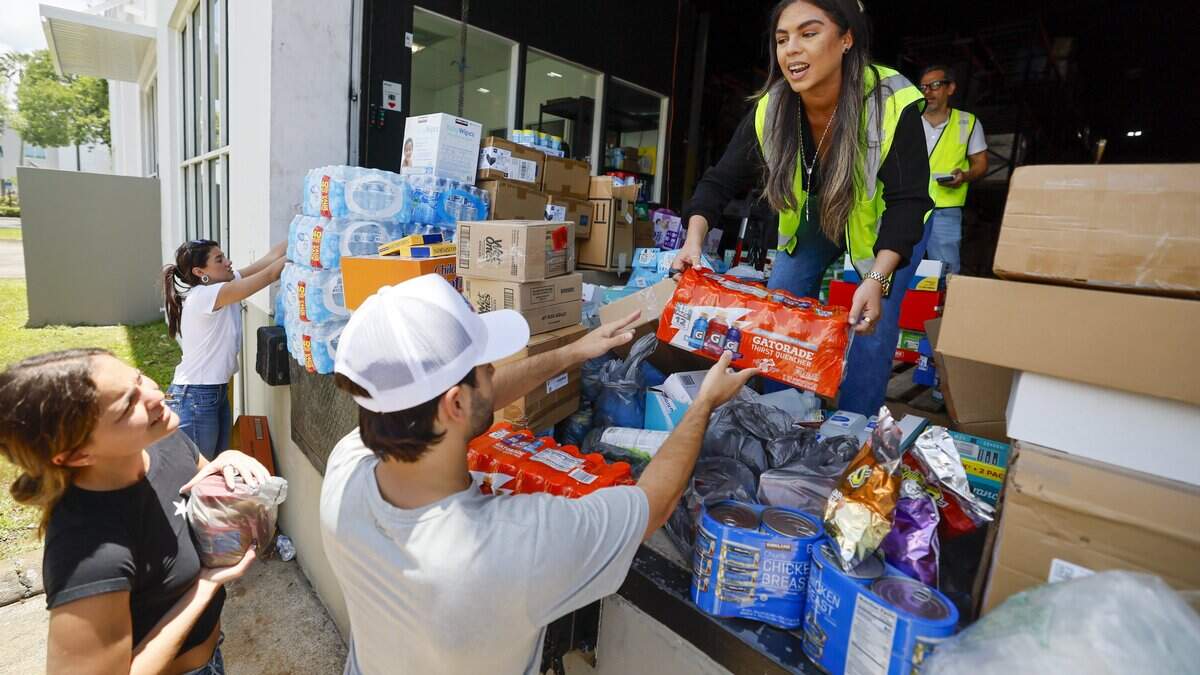
Focus on Rescue, Medical Care, and Essential Services
A significant portion of the aid package is expected to be directed toward immediate life-saving operations. Search-and-rescue teams are working around the clock to locate survivors trapped beneath collapsed structures, while emergency medical units are treating injuries ranging from fractures and trauma to dehydration and illness caused by disrupted sanitation systems.
Humanitarian agencies are prioritizing access to clean drinking water, emergency healthcare, food security, and shelter. Temporary housing facilities are being established to accommodate families who have lost their homes, while engineers evaluate the structural safety of damaged buildings.
The deployment of specialized equipment and personnel is intended to strengthen local response capabilities and accelerate relief efforts during the critical first weeks following the disaster.
International Cooperation Gains Momentum
The US assistance package comes amid growing international concern over the humanitarian impact of the earthquake. Governments, international organizations, and relief agencies from around the world have expressed support and pledged various forms of assistance.
Disaster experts emphasize that coordinated international cooperation will be essential to ensuring aid reaches the most affected populations efficiently. The scale of the catastrophe has underscored the importance of global solidarity during large-scale natural disasters.
Humanitarian organizations have also called for sustained support beyond the immediate emergency phase, noting that rebuilding homes, schools, hospitals, and public infrastructure will require long-term commitments from both domestic and international partners.
Long-Term Recovery Challenges Ahead
While rescue operations remain the immediate priority, attention is gradually shifting toward recovery and reconstruction. Experts warn that the economic and social consequences of the earthquake may persist long after emergency operations conclude.
Rebuilding damaged infrastructure, restoring public services, and supporting displaced communities are expected to require extensive funding and planning. Recovery efforts will likely focus on creating more resilient infrastructure capable of withstanding future natural disasters.
The newly announced US aid package is expected to play a critical role in supporting both immediate humanitarian needs and the broader recovery process, providing resources that could help stabilize affected regions and accelerate rebuilding efforts.
Humanitarian Relief Efforts Continue
As emergency teams continue working across disaster-stricken areas, the focus remains on saving lives, restoring essential services, and providing relief to those affected by the earthquake. The deployment of warships, aircraft, medical personnel, and financial assistance reflects the urgency of the crisis and the international community’s determination to support recovery efforts.
With rescue operations ongoing and damage assessments continuing, humanitarian agencies and government officials remain committed to delivering assistance to vulnerable communities while laying the groundwork for long-term reconstruction and recovery.