
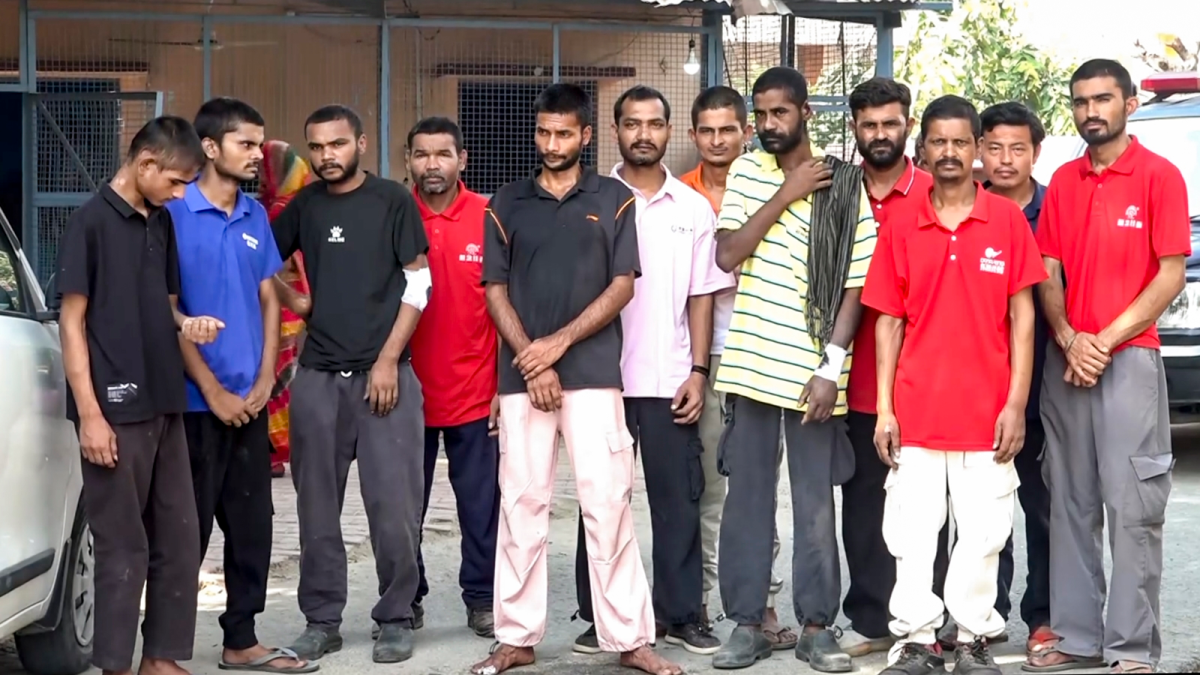
For several families in rural Uttar Pradesh, months of uncertainty, fear, and helplessness finally came to an end when a group of bonded labourers were rescued from exploitative working conditions. The workers, many of whom had been cut off from their families and denied basic freedoms, were finally reunited with their loved ones after a prolonged period of suffering.
The rescue operation has once again highlighted the persistent problem of bonded labour in India, where economically vulnerable individuals often become trapped in cycles of debt, coercion, and exploitation despite strict laws prohibiting such practices.
Families Left in the Dark
For the families of the rescued workers, the most painful aspect of the ordeal was the complete loss of communication. Parents and relatives said that phone calls from their sons gradually stopped, leaving them with little information about their whereabouts or wellbeing.
Many family members spent months anxiously waiting for updates, fearing the worst. As communication ceased, uncertainty grew into desperation. Some parents said they had no idea whether their sons were safe, injured, or even alive.
The absence of any reliable information left families emotionally devastated. With limited financial resources and little ability to travel or investigate on their own, they were forced to depend on authorities and local intermediaries for information.
Promises of Employment Turn Into Exploitation
According to accounts gathered after the rescue, several workers had initially left their villages seeking employment opportunities that promised steady wages and better livelihoods. Like many migrant labourers from economically weaker backgrounds, they hoped to support their families through earnings from jobs outside their hometowns.
However, those expectations quickly turned into a nightmare.
Workers reportedly found themselves subjected to harsh working conditions, restrictions on movement, and financial control that prevented them from leaving. In many cases, wages were either withheld or manipulated, creating conditions that effectively trapped them in forced labour arrangements.
Such systems often rely on debt obligations, threats, intimidation, and isolation, making it extremely difficult for workers to escape without external intervention. 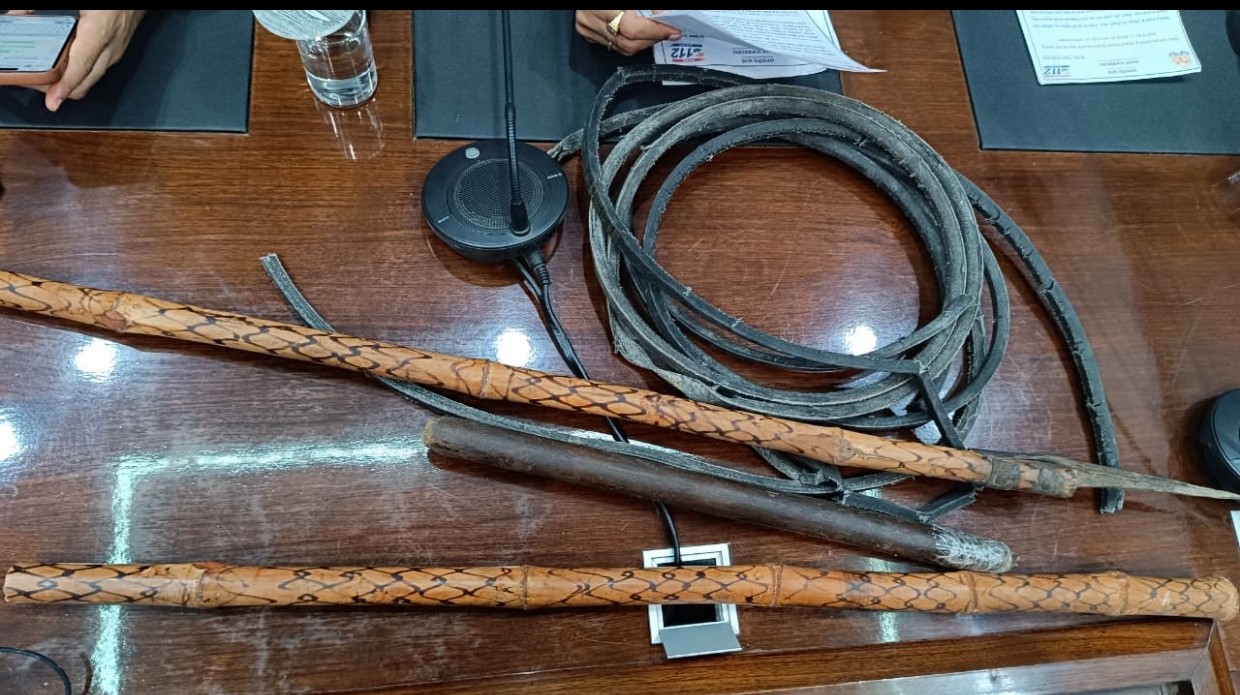
Months of Hardship and Isolation
The rescued labourers described enduring long periods of physical and psychological hardship. Separated from their families and communities, they allegedly faced intense pressure while being denied the freedom to leave or communicate regularly with relatives.
Isolation remains one of the most effective tools used in bonded labour situations. By limiting workers’ access to phones, transportation, and outside contacts, exploiters can maintain control and prevent victims from seeking help.
For the families back home, every unanswered call deepened their fears. Relatives said they repeatedly attempted to contact their loved ones but received no response, leaving them uncertain about what was happening.
Rescue Brings Relief
The breakthrough came when authorities, acting on information and complaints, launched efforts to locate and free the workers. The rescue operation resulted in the release of multiple labourers who were subsequently brought to safety.
For parents and relatives, the moment they learned their family members had been found was overwhelming. Many expressed immense relief after months of emotional distress and uncertainty.
Several family members described emotional reunions, saying that simply hearing their sons’ voices again was enough to ease fears that had haunted them for months.
The rescued workers are now expected to receive assistance through rehabilitation and support mechanisms designed for victims of bonded labour and human trafficking-related exploitation.
A Persistent Challenge in India
Despite legal safeguards, bonded labour continues to surface in various parts of India. Poverty, unemployment, lack of education, and economic vulnerability often make workers susceptible to deceptive recruitment practices and exploitative employment arrangements.
Experts note that migrant workers are particularly at risk because they frequently travel far from their homes, depend on contractors for transportation and accommodation, and may lack access to legal support or local networks.
The problem is often compounded by poor documentation, informal labour arrangements, and fear of retaliation, all of which discourage victims from reporting abuse.
Need for Stronger Enforcement
Labour rights advocates argue that stronger enforcement of existing laws is essential to prevent similar incidents. They emphasize the need for better monitoring of recruitment networks, stricter action against employers who engage in forced labour practices, and expanded support systems for vulnerable workers.
In addition to rescue operations, experts stress the importance of rehabilitation, compensation, skill development, and long-term economic support for survivors. Without such measures, rescued workers may remain vulnerable to future exploitation.
The recent rescue serves as a reminder that bonded labour remains a significant human rights concern. While the workers have regained their freedom, their experiences underscore the urgent need for continued vigilance, stronger protections, and sustained efforts to eliminate forced labour practices across the country.
For the families who spent months fearing for their loved ones, the rescue has brought relief and hope. Yet their ordeal also reflects the broader struggles faced by countless vulnerable workers who leave home in search of opportunity, only to find themselves trapped in conditions of exploitation and abuse.