
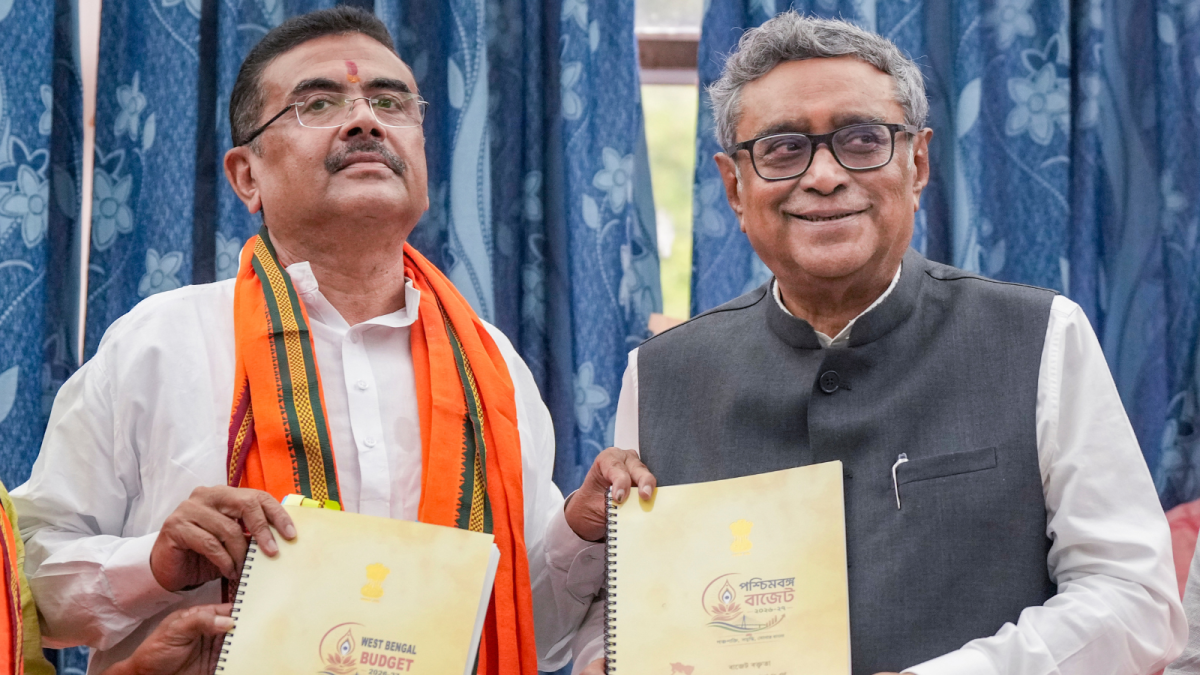
West Bengal’s political landscape witnessed renewed debate over welfare spending and governance priorities after senior Bharatiya Janata Party (BJP) leader Suvendu Adhikari indicated that a future BJP government in the state could significantly alter the allocation of funds currently earmarked for minority welfare programs.
Adhikari’s remarks have added a fresh dimension to the ongoing political contest between the BJP and the ruling Trinamool Congress (TMC), with both parties presenting contrasting visions for development, social welfare, and resource distribution ahead of future electoral battles.
Adhikari’s Position on Welfare Spending
Speaking about the state’s financial priorities, Adhikari argued that public funds should be distributed in a manner that benefits all citizens without what he described as preferential treatment based on religious identity. He suggested that if the BJP forms the government in West Bengal, budgetary allocations currently directed toward minority welfare departments could be reassessed and potentially reduced.
According to Adhikari, resources saved through such restructuring could be redirected toward infrastructure development, education, employment generation, healthcare, and broader public welfare initiatives intended to serve the state’s entire population.
The BJP leader has consistently maintained that welfare schemes should be based on socio-economic criteria rather than religious considerations. His latest comments reinforce the party’s long-standing position that government assistance should focus on economically disadvantaged citizens regardless of community affiliation.
A Key Political Issue in Bengal
Minority welfare has remained a politically sensitive issue in West Bengal for years. The state has a substantial minority population, and successive governments have introduced targeted programs aimed at improving educational opportunities, skill development, scholarships, housing support, and economic advancement among disadvantaged communities.
The ruling Trinamool Congress has often highlighted these initiatives as evidence of its commitment to inclusive development and social justice. The party argues that targeted interventions are necessary to address historical inequalities and improve access to opportunities for marginalized groups.
However, BJP leaders have repeatedly criticized what they describe as “appeasement politics,” claiming that state resources should not be distributed on the basis of religion. The issue has become a recurring theme in political campaigns and legislative debates across the state. 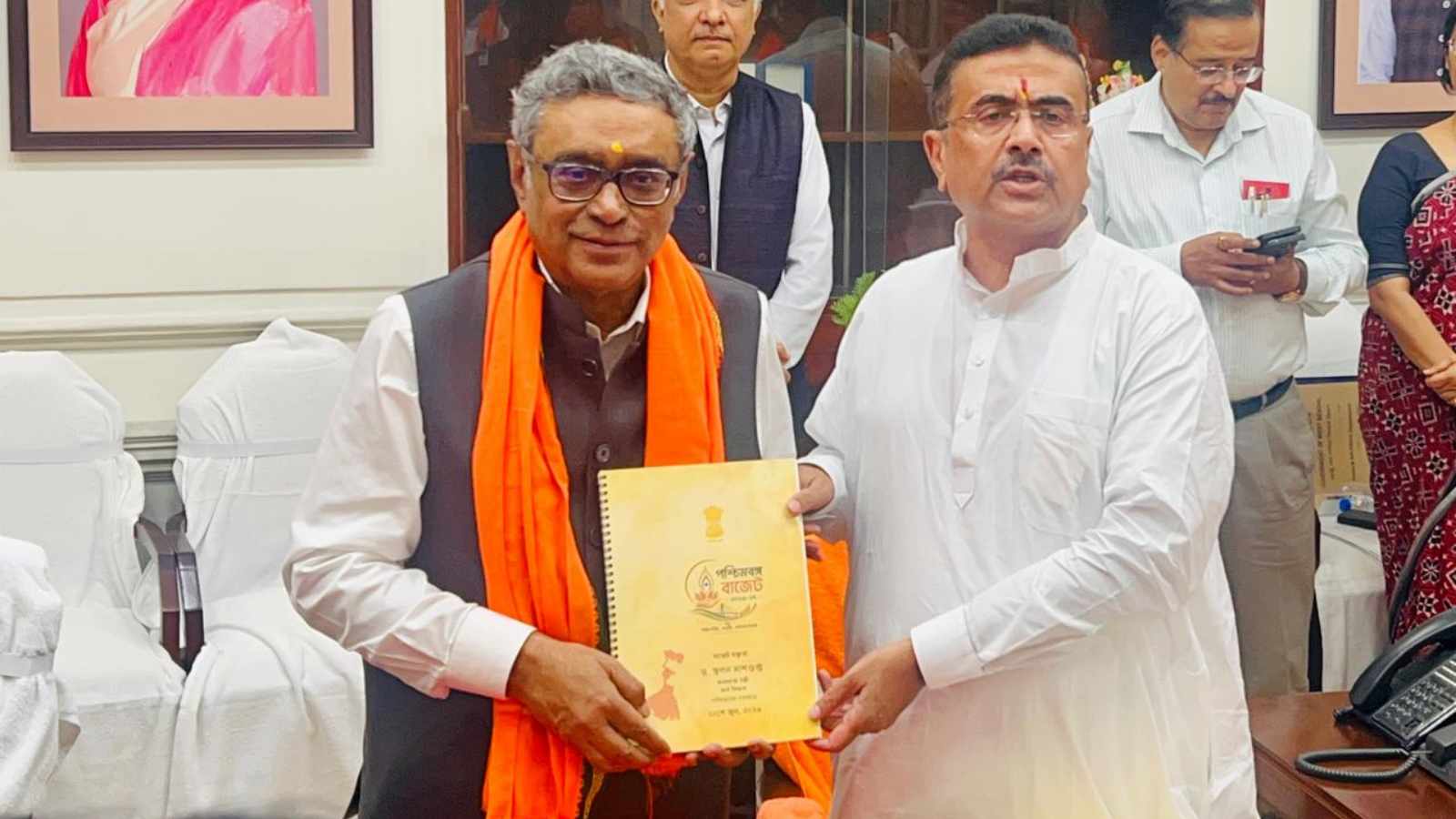
BJP’s Broader Political Strategy
Adhikari’s statement reflects a broader BJP strategy aimed at appealing to voters who favor what the party calls equitable governance and uniform access to welfare benefits. The BJP has increasingly focused on themes such as transparency, efficient spending, and equal treatment under government policies.
Political observers note that the party has been attempting to expand its support base in West Bengal by positioning itself as an alternative to the TMC’s welfare-centric governance model. By questioning existing budget priorities, BJP leaders seek to frame the debate around fiscal accountability and development-oriented spending.
The party argues that government resources should be directed toward projects that generate long-term economic growth and create opportunities for all sections of society rather than maintaining community-specific allocations.
Potential Impact on State Politics
Adhikari’s remarks are likely to trigger strong reactions from political opponents and minority organizations, many of whom view targeted welfare programs as essential tools for social inclusion and economic empowerment.
Supporters of minority-focused schemes contend that such initiatives help bridge gaps in education, employment, and social mobility. They argue that reducing these allocations could adversely affect communities that continue to face developmental challenges.
On the other hand, proponents of the BJP’s position believe that welfare programs should be structured around economic need rather than religious identity, ensuring that benefits reach all deserving citizens regardless of their background.
The debate highlights a larger national discussion about the role of targeted welfare policies, affirmative government intervention, and the balance between universal and community-specific development programs.
Electoral Significance
With political competition intensifying in West Bengal, issues related to welfare spending, budget allocation, and governance are expected to play a prominent role in future campaigns. The BJP and TMC are likely to continue presenting sharply contrasting approaches to development and social policy.
For the ruling TMC, minority welfare remains an important component of its broader social development agenda. For the BJP, advocating a restructured welfare framework aligns with its emphasis on uniform governance and broader developmental priorities.
As the state moves closer to future electoral contests, discussions surrounding budget allocation, welfare policies, and public spending are expected to remain at the center of political discourse.
Looking Ahead
While any significant changes to welfare spending would depend on electoral outcomes and future government decisions, Adhikari’s comments have already reignited debate over how public resources should be allocated in one of India’s most politically significant states.
The discussion underscores competing visions of governance in West Bengal—one emphasizing targeted support for specific communities and another advocating broader, population-wide welfare distribution. As political parties sharpen their positions, the issue is likely to remain a major point of contention in the state’s evolving political narrative.