
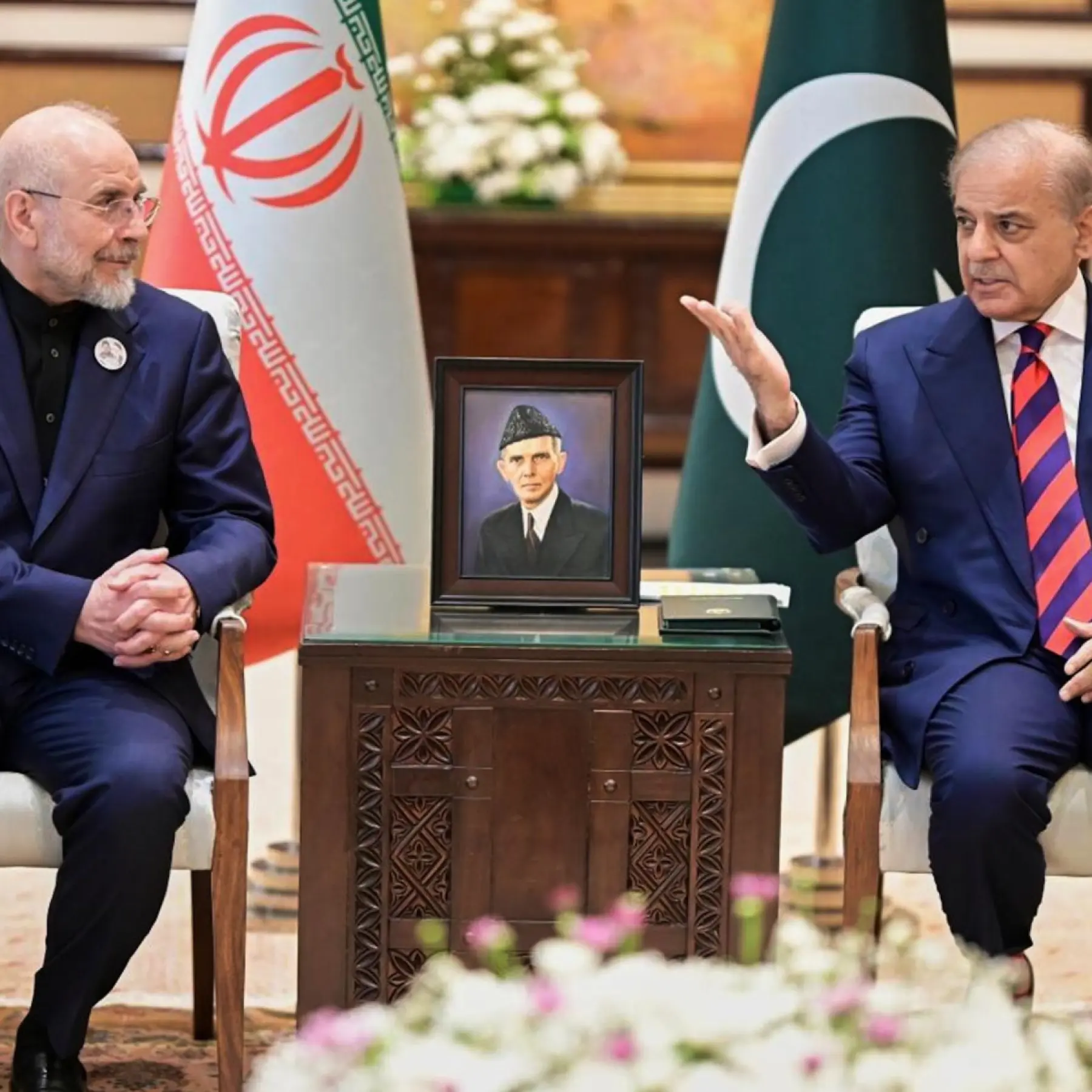
A group of Republican senators has expressed strong reservations about Pakistan’s potential involvement in diplomatic efforts between the United States and Iran, following comments made by US Vice President JD Vance that appeared to acknowledge Islamabad’s possible role in facilitating communication between the two countries.
The development has sparked debate within Washington’s political circles, with lawmakers questioning whether Pakistan should be entrusted with a diplomatic role in a matter as sensitive as US-Iran relations, given its controversial history regarding terrorism and regional security issues.
Vance’s Comments Trigger Political Debate
The controversy emerged after Vice President JD Vance publicly referred to Pakistan in the context of diplomatic engagement with Iran. His remarks were interpreted by some observers as recognizing Pakistan’s potential usefulness in helping maintain channels of communication during a period of heightened tensions in the Middle East.
While the administration has not formally announced any expanded diplomatic role for Pakistan, Vance’s comments quickly drew reactions from Republican lawmakers who argued that Islamabad’s historical record raises serious concerns about its credibility as a diplomatic intermediary.
Several senators emphasized that any effort to involve Pakistan in critical negotiations with Iran should be approached with caution, citing longstanding security concerns and past allegations regarding the presence of extremist groups operating from Pakistani territory.
Lawmakers Cite Historical Concerns
Republican senators pointed to Pakistan’s complex history in the fight against terrorism, arguing that its record continues to generate skepticism among many policymakers in Washington.
Critics referenced instances in which Pakistan faced international scrutiny over militant networks and extremist organizations that operated within its borders. They argued that these concerns remain relevant when assessing whether Islamabad should be given a meaningful role in facilitating sensitive diplomatic discussions involving US national security interests.
According to the lawmakers, diplomatic credibility is essential in negotiations involving Iran, particularly at a time when regional stability remains fragile and tensions continue to influence global security calculations. 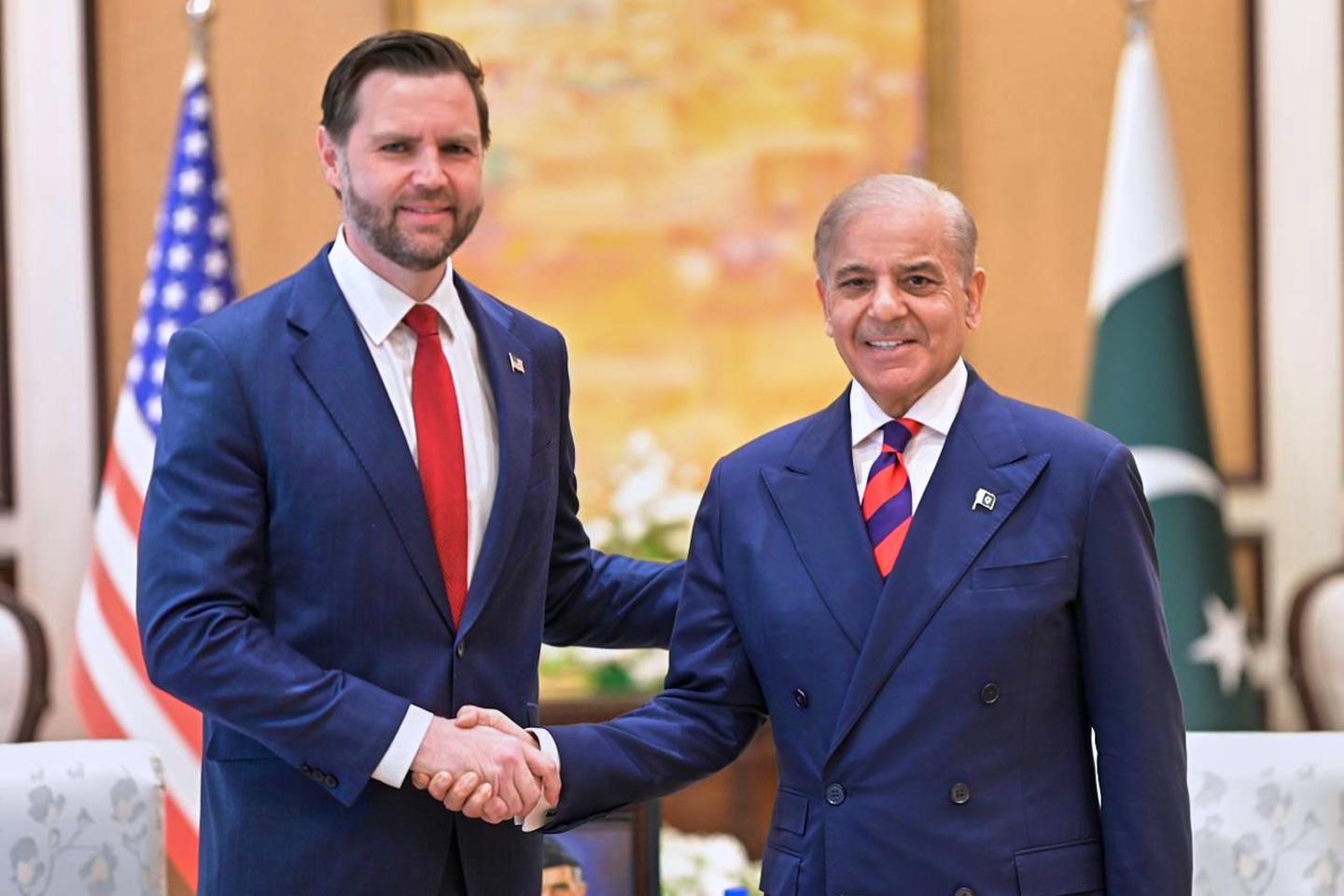
Pakistan’s Strategic Importance Remains Undeniable
Despite criticism from some US lawmakers, foreign policy analysts note that Pakistan occupies a strategically significant position in South Asia and maintains diplomatic relationships with a range of countries across the Middle East.
Pakistan has historically attempted to position itself as a bridge between various regional powers and has often advocated dialogue as a means of reducing tensions. Its geographic location, military influence, and diplomatic connections have occasionally allowed it to play a role in international mediation efforts.
Supporters of engagement argue that maintaining open communication channels through trusted regional actors can help prevent misunderstandings and reduce the risk of escalation during periods of geopolitical uncertainty.
Wider Context of US-Iran Relations
The debate comes amid continuing efforts by the United States and its allies to manage complex relations with Iran. Issues including regional security, nuclear concerns, military activity, and broader Middle East stability remain central to diplomatic discussions.
Any suggestion that Pakistan could contribute to facilitating dialogue has therefore attracted considerable attention from lawmakers and foreign policy observers alike.
For many in Washington, the question is not merely whether Pakistan can serve as an intermediary, but whether its involvement would strengthen or complicate ongoing diplomatic efforts. The issue highlights broader disagreements within US political circles about how best to engage with regional partners while safeguarding national security interests.
Divisions Within Washington
The reaction from Republican senators underscores a broader divide in American foreign policy debates. While some policymakers favor pragmatic engagement with countries that can help advance diplomatic objectives, others argue that past conduct and security concerns must remain central considerations when evaluating potential partners.
As discussions continue, the Biden administration’s broader approach to Middle East diplomacy is likely to face increased scrutiny from lawmakers seeking greater transparency regarding any informal or formal role Pakistan may play in communications involving Iran.
Looking Ahead
The controversy surrounding Vice President Vance’s remarks has brought renewed attention to Pakistan’s place in regional diplomacy and its relationship with the United States. While no official policy shift has been announced, the reaction from Capitol Hill demonstrates that any perceived expansion of Pakistan’s diplomatic role will remain politically sensitive.
With tensions in the Middle East continuing to shape global strategic calculations, questions regarding trusted intermediaries, regional influence, and diplomatic credibility are expected to remain at the forefront of discussions in Washington and beyond.