
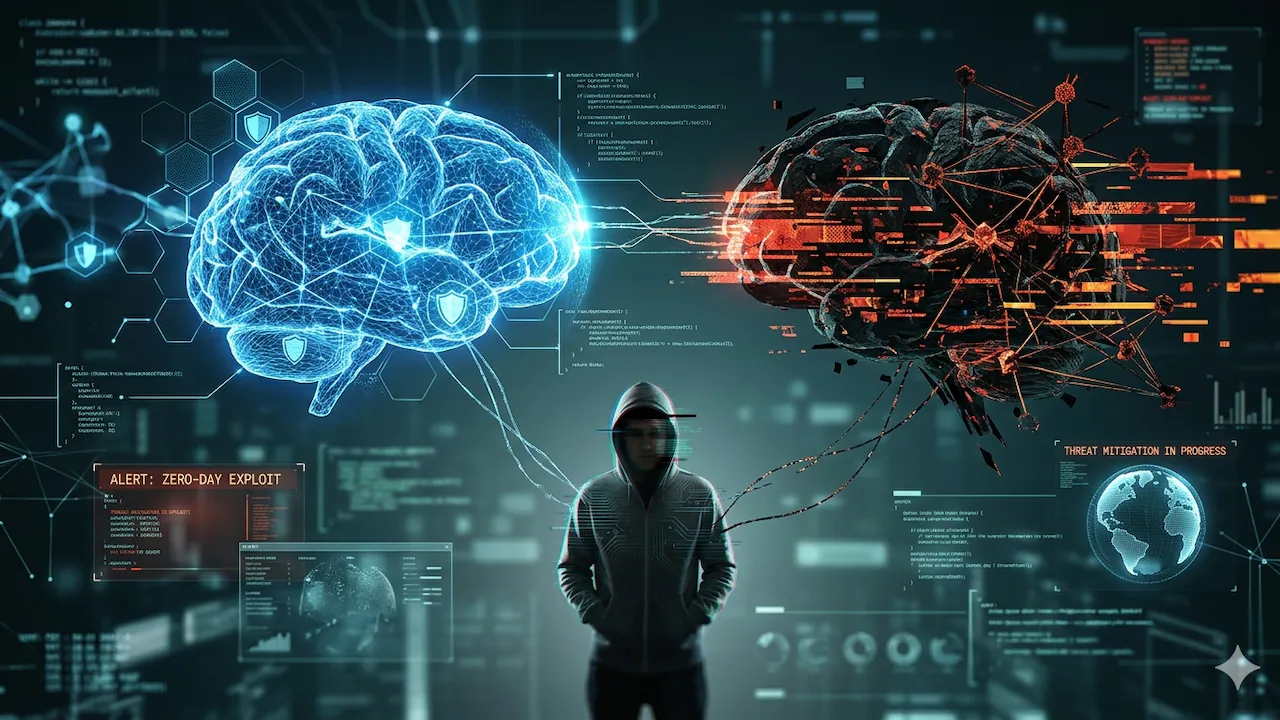
The rapid advancement of artificial intelligence is creating unprecedented opportunities across industries, but cybersecurity experts are increasingly concerned about a darker consequence: the emergence of highly sophisticated AI-driven cyberattacks. According to a recent warning issued by an international coalition focused on digital security, the world may be only months away from facing a new generation of cyber threats powered by advanced artificial intelligence systems.
The warning highlights growing concerns that cybercriminals and malicious actors are rapidly gaining access to increasingly capable AI tools. These technologies, once primarily used for research and productivity improvements, could soon be weaponized to conduct complex cyber operations at a scale and speed previously unimaginable.
A Narrow Window Before a Major Shift
Security specialists involved in global cyber defense efforts believe the timeline for widespread AI-enabled cyberattacks is shrinking dramatically. Rather than being a distant future challenge, experts now suggest that significant AI-driven threats could emerge within the coming months.
The concern stems from the accelerating pace of AI development. Modern AI systems can process enormous amounts of data, generate human-like communications, automate decision-making, and adapt to changing circumstances. While these capabilities offer significant benefits, they also provide powerful tools that could be exploited by hackers.
Experts warn that cybercriminals may soon leverage AI to automate large-scale attacks, identify vulnerabilities faster, craft highly convincing phishing campaigns, and evade traditional cybersecurity defenses.
How AI Could Transform Cybercrime
Artificial intelligence has the potential to fundamentally change the nature of cybercrime. Traditional cyberattacks often require significant human expertise, planning, and resources. AI could reduce these barriers by automating many aspects of malicious operations.
Potential threats include:
- Automated vulnerability discovery in software systems.
- Highly personalized phishing emails designed to deceive targets.
- AI-generated social engineering campaigns.
- Faster development of malicious code.
- Automated adaptation to security defenses.
- Large-scale disinformation and manipulation efforts.
Security analysts note that AI systems can analyze vast datasets and identify patterns much more quickly than humans. This capability could allow attackers to discover weaknesses in networks and digital infrastructure at unprecedented speed. 
Growing Concerns Over Critical Infrastructure
One of the most alarming aspects of the warning involves critical infrastructure. Energy systems, transportation networks, healthcare institutions, financial services, and government agencies increasingly rely on interconnected digital technologies.
Experts fear that AI-enhanced attacks targeting these sectors could have severe real-world consequences. Disruptions to essential services, financial losses, data breaches, and operational shutdowns could become more difficult to prevent if attackers gain access to advanced AI capabilities.
As nations continue to digitize their economies and public services, the potential impact of successful cyberattacks grows significantly. The increasing integration of smart technologies and connected systems further expands the potential attack surface available to malicious actors.
International Cooperation Seen as Essential
The cybersecurity coalition emphasized that no single country can effectively address the challenge alone. Since cyber threats often cross national borders, experts argue that international cooperation will be crucial in combating AI-enabled attacks.
Governments, technology companies, research institutions, and cybersecurity organizations are being encouraged to strengthen information-sharing mechanisms and coordinate defensive strategies. Early detection systems, threat intelligence exchanges, and collaborative response frameworks are viewed as essential components of future cybersecurity efforts.
The warning also underscores the importance of developing common standards and safeguards for the responsible development and deployment of artificial intelligence technologies.
Balancing Innovation and Security
While experts acknowledge the risks associated with AI, they also stress that artificial intelligence itself is not inherently dangerous. The technology continues to drive innovation in healthcare, education, scientific research, business operations, and public services.
The challenge, according to cybersecurity specialists, lies in ensuring that defensive capabilities evolve as quickly as offensive ones. Security teams are increasingly adopting AI-powered tools to detect anomalies, identify threats, and respond to incidents more efficiently.
Many organizations are investing heavily in AI-based cybersecurity solutions, hoping to create a technological advantage against increasingly sophisticated adversaries. However, experts caution that attackers are likely to use many of the same innovations.
Preparing for the Next Generation of Threats
Cybersecurity leaders are urging organizations to strengthen their defenses now rather than waiting for AI-powered attacks to become widespread. Recommended measures include improving employee awareness, implementing advanced threat detection systems, conducting regular security assessments, and adopting zero-trust security frameworks.
Businesses are also being encouraged to evaluate how artificial intelligence could impact their risk profiles and to develop response plans tailored to emerging AI-driven threats.
The warning serves as a reminder that the cybersecurity landscape is entering a period of rapid transformation. As artificial intelligence continues to advance, the race between cyber defenders and cybercriminals is expected to intensify.
Looking Ahead
The prospect of AI-powered cyberattacks becoming a near-term reality represents one of the most significant challenges facing the digital world today. While experts remain optimistic about the benefits of artificial intelligence, they caution that preparedness, collaboration, and responsible governance will be essential to minimizing the risks.
With advanced AI capabilities becoming more accessible and powerful, governments, businesses, and security professionals face mounting pressure to act quickly. The coming months may prove critical in determining whether society can stay ahead of a rapidly evolving cyber threat landscape or be forced to react after major incidents occur.
As the technology continues to reshape the digital environment, cybersecurity experts agree on one point: the era of AI-driven cyber warfare may be much closer than many organizations realize.