
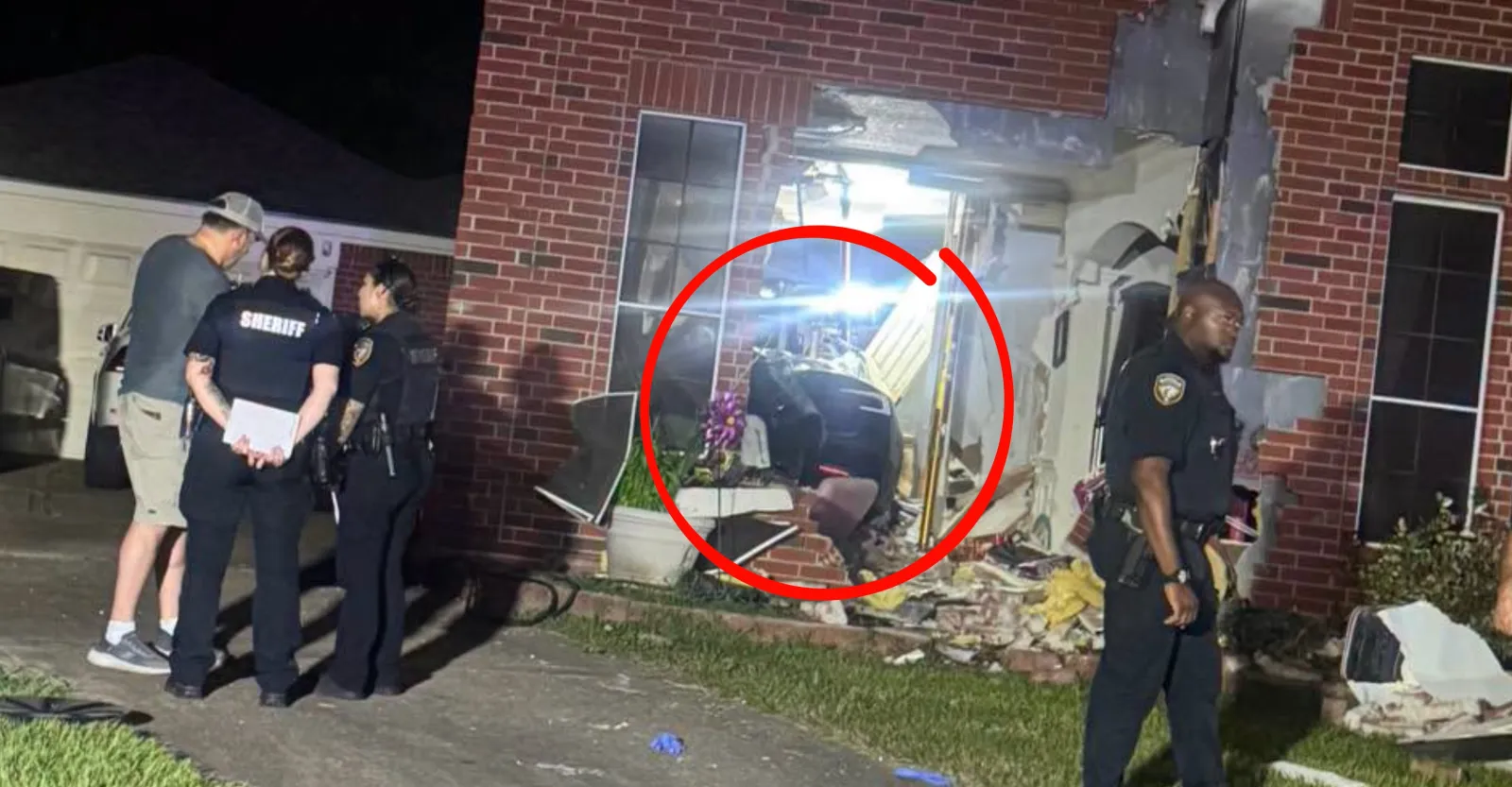
A tragic accident involving a Tesla Model 3 operating in Autopilot mode has sparked renewed scrutiny of advanced driver-assistance systems after the vehicle crashed into a residential property in Texas, resulting in the death of an elderly woman inside the home.
The fatal incident occurred in the city of Katy, Texas, where authorities reported that the electric vehicle veered off the roadway before crashing through a residential structure. The impact caused significant damage to the property and led to the death of a woman who was inside the house at the time of the collision.
Emergency responders rushed to the scene following reports of the crash. Despite immediate rescue efforts, the elderly victim succumbed to injuries sustained during the incident. Officials confirmed that the woman was not connected to the vehicle and was simply inside her residence when the accident occurred.
Investigation Underway
Law enforcement agencies and crash investigators have launched a detailed examination into the circumstances surrounding the collision. Authorities are working to determine the precise sequence of events that led the Tesla Model 3 to leave the roadway and strike the home.
Preliminary findings indicate that the vehicle’s Autopilot system may have been engaged before the crash. Investigators are expected to analyze electronic data, vehicle logs, road conditions, driver actions, and environmental factors as part of the ongoing probe.
Officials have not yet released a final determination regarding the role, if any, played by the vehicle’s automated driving technology. The investigation remains active, and authorities have urged the public to await verified findings before drawing conclusions.
Renewed Questions Over Driver-Assistance Technology
The crash has reignited debate surrounding the safety and limitations of semi-autonomous driving systems. Tesla’s Autopilot technology is designed to assist drivers with steering, acceleration, braking, and lane-keeping functions. However, the system requires continuous driver attention and does not make vehicles fully autonomous.
Safety experts have repeatedly emphasized that advanced driver-assistance features are intended to support, rather than replace, human drivers. Several previous incidents involving vehicles equipped with similar technologies have prompted regulators and transportation safety agencies to examine how such systems are used and understood by motorists.
Industry analysts note that while automated driving technologies can improve convenience and potentially reduce certain types of accidents, they also present challenges related to driver behavior, system limitations, and public expectations.

Community Shocked by Fatal Collision
Residents in the neighborhood expressed shock following the incident, describing the crash as both sudden and devastating. The destruction caused by the vehicle’s impact highlighted the potential consequences of high-speed roadway departures, regardless of the underlying cause.
Neighbors and community members gathered near the damaged residence as emergency personnel conducted their response operations. Many voiced condolences to the victim’s family and called for a thorough investigation into the circumstances surrounding the tragedy.
Broader Implications for Vehicle Safety
The Texas crash is likely to intensify ongoing discussions among regulators, automakers, safety advocates, and consumers regarding the future of automated driving technology. As advanced driver-assistance systems become increasingly common in modern vehicles, questions surrounding accountability, safety standards, and consumer awareness remain at the forefront of public debate.
Experts say the findings of the investigation could contribute to broader conversations about vehicle automation, driver monitoring requirements, and regulatory oversight. The case may also influence future discussions on how manufacturers communicate the capabilities and limitations of semi-autonomous systems to drivers.
Awaiting Official Findings
Authorities continue to gather evidence and review vehicle data to establish the exact cause of the crash. Until the investigation is completed, officials have refrained from assigning responsibility or confirming whether the automated driving system directly contributed to the fatal collision.
The death of the elderly Texas resident has nevertheless underscored the human cost of roadway accidents and renewed attention on the evolving relationship between drivers and emerging vehicle technologies.