
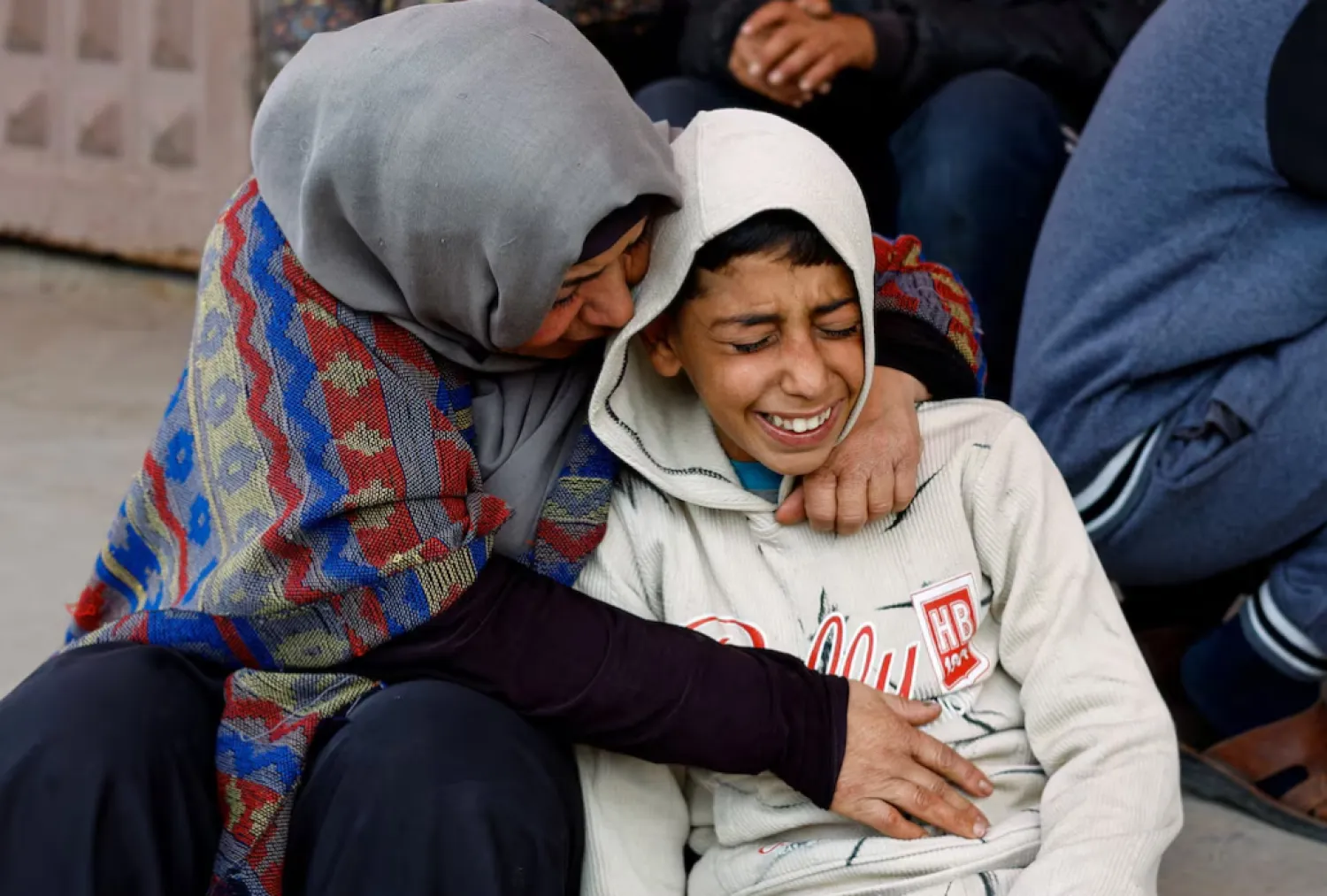
At least 11 people were killed in a series of Israeli airstrikes across the Gaza Strip, according to local health authorities, as the region continues to endure intense military operations and a worsening humanitarian emergency. The latest casualties add to the growing toll of the prolonged conflict, which has devastated communities, displaced large numbers of residents, and strained already fragile healthcare and aid systems.
Health officials reported that the fatalities occurred during multiple strikes targeting different areas of Gaza. Several others were injured, with some victims said to be in critical condition. Emergency response teams and medical personnel rushed to the affected locations, where rescue operations continued amid challenging conditions and concerns over additional attacks.
The renewed violence comes as tensions remain high throughout the region. Residents described scenes of destruction following the strikes, with damaged buildings, debris-strewn streets, and families searching for missing relatives. Hospitals and medical centers, already operating under severe pressure, were forced to manage another influx of casualties despite shortages of essential supplies, equipment, and personnel.
Civilian Impact Continues to Grow
The ongoing conflict has had a profound impact on Gaza’s civilian population. Repeated military operations have led to significant loss of life, extensive property damage, and large-scale displacement. Many families have been forced to move multiple times in search of safety, while access to food, clean water, shelter, and healthcare remains increasingly difficult.
Aid organizations have repeatedly warned that conditions in the territory are deteriorating rapidly. Humanitarian groups continue to express concern about the safety of civilians trapped in conflict zones and the challenges of delivering assistance to those in need. The destruction of infrastructure, including residential areas and public facilities, has further complicated relief efforts.
Residents in affected neighborhoods reported hearing explosions throughout the day and night as military activity continued. Fear and uncertainty remain widespread, particularly among families with children and elderly relatives who face heightened risks during periods of intensified violence. 
Regional and International Concern
The latest fatalities are likely to increase international concern over the humanitarian consequences of the conflict. Governments, diplomatic organizations, and humanitarian agencies have repeatedly called for measures aimed at protecting civilians and reducing violence.
International observers continue to monitor developments closely, emphasizing the importance of adherence to international humanitarian law and the protection of non-combatants. Efforts to secure ceasefires or humanitarian pauses have faced significant challenges amid ongoing hostilities and deeply entrenched political divisions.
Analysts note that each new escalation further complicates prospects for a lasting resolution. The continued cycle of attacks and retaliation has contributed to instability across the region and intensified concerns about broader security implications.
Healthcare System Under Strain
Medical facilities in Gaza remain under extraordinary pressure as casualty numbers continue to rise. Healthcare workers have repeatedly highlighted shortages of medicines, fuel, medical equipment, and specialized treatment resources. The combination of sustained conflict and limited access to supplies has left hospitals struggling to meet growing demands.
Doctors and emergency responders continue to work under difficult conditions, treating victims of airstrikes and other conflict-related injuries while coping with overcrowded wards and limited resources. Humanitarian organizations have warned that without increased access to aid and medical support, conditions could worsen further.
Uncertain Path Ahead
As military operations continue, the humanitarian situation in Gaza remains a major concern for the international community. The deaths reported in the latest airstrikes underscore the ongoing human cost of the conflict and the challenges facing civilians caught in the violence.
With no immediate indication of a significant reduction in hostilities, residents remain braced for further uncertainty. Humanitarian agencies continue to call for increased protection for civilians, expanded access for aid deliveries, and renewed diplomatic efforts aimed at reducing violence and preventing additional loss of life.
The latest incident serves as another reminder of the severe consequences of the ongoing conflict, as communities across Gaza struggle to cope with continuing instability, destruction, and mounting humanitarian needs.