
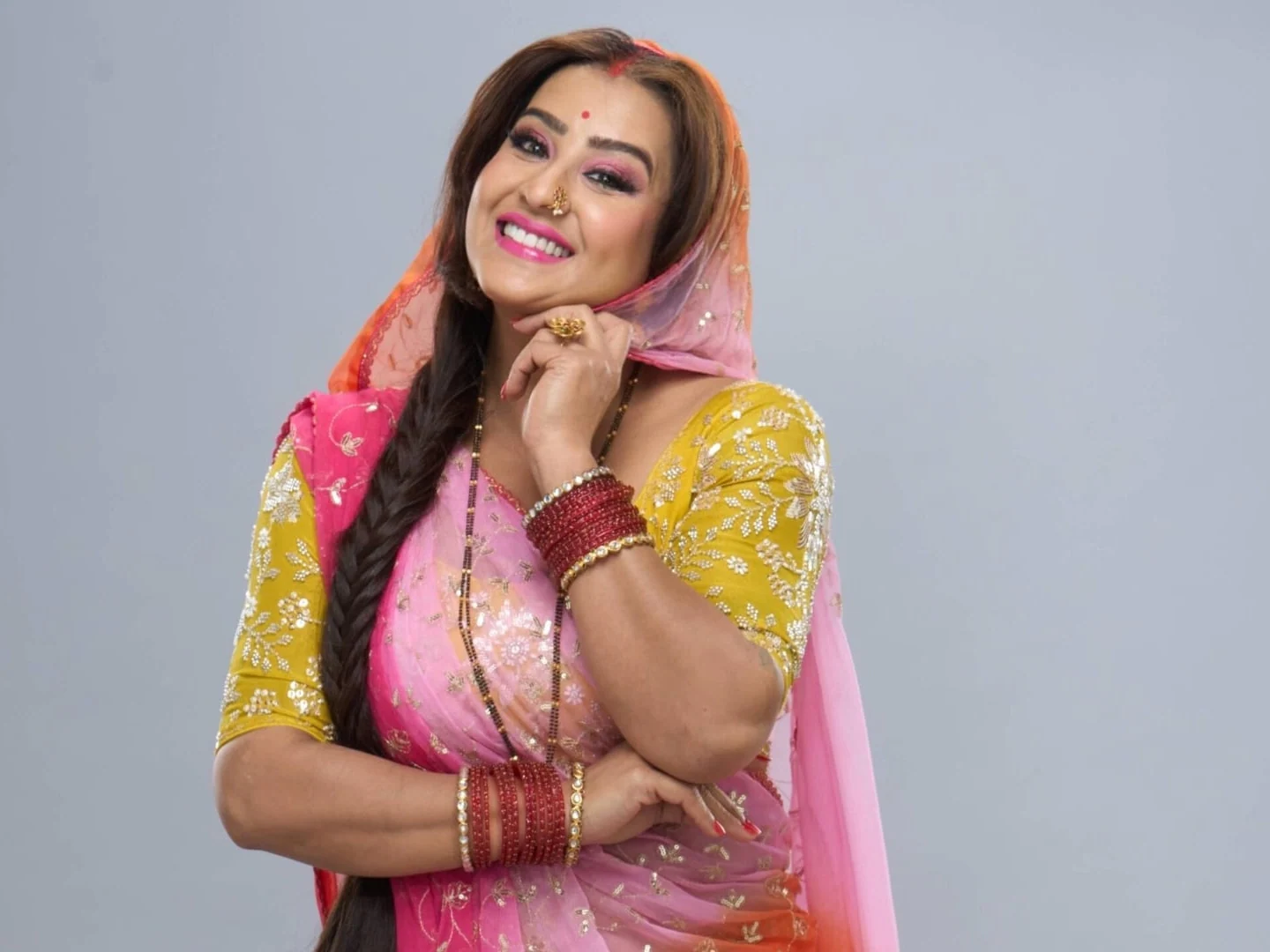
Actor Shilpa Shinde has once again spoken candidly about her difficult experiences within the Indian television industry, alleging that producers often wield excessive influence and operate like “white-collar mafias.” Reflecting on the controversy that surrounded her departure from the immensely popular sitcom Bhabiji Ghar Par Hain, the actress claimed she received little support from fellow actors and industry colleagues during one of the most challenging periods of her career.
Shinde, who became a household name through her portrayal of Angoori Bhabhi, said that her decision to leave the show triggered a series of professional and personal struggles. According to the actress, the situation exposed what she believes to be a deep-rooted culture within the television industry where influential production houses hold significant power over artists.
Criticism of Television Producers
Speaking about her experiences, Shinde alleged that many producers function in a manner that discourages actors from speaking openly about workplace issues. She argued that the industry often operates through informal power structures that can make it difficult for performers to challenge decisions or raise concerns.
The actress described producers as “white-collar mafias,” suggesting that while the industry appears professional on the surface, there are underlying mechanisms that can marginalize individuals who refuse to conform. She claimed that actors frequently remain silent due to fears of losing work opportunities or damaging professional relationships.
Shinde maintained that those who question the system often face isolation, making it difficult for them to continue working comfortably within the industry.
Revisiting the Exit Controversy
The actress’s departure from Bhabiji Ghar Par Hain remains one of the most talked-about controversies in Indian television. At the time, disagreements between Shinde and the show’s producers led to a highly publicized dispute that eventually resulted in her exit from the series.
The controversy sparked extensive discussions within entertainment circles, with various industry organizations becoming involved. The dispute also raised broader questions about working conditions, contractual obligations, and the balance of power between artists and production houses.
Years later, Shinde continues to stand by her position, insisting that she spoke out because she believed certain issues needed to be addressed. She suggested that challenging established industry practices often comes at a significant professional cost. 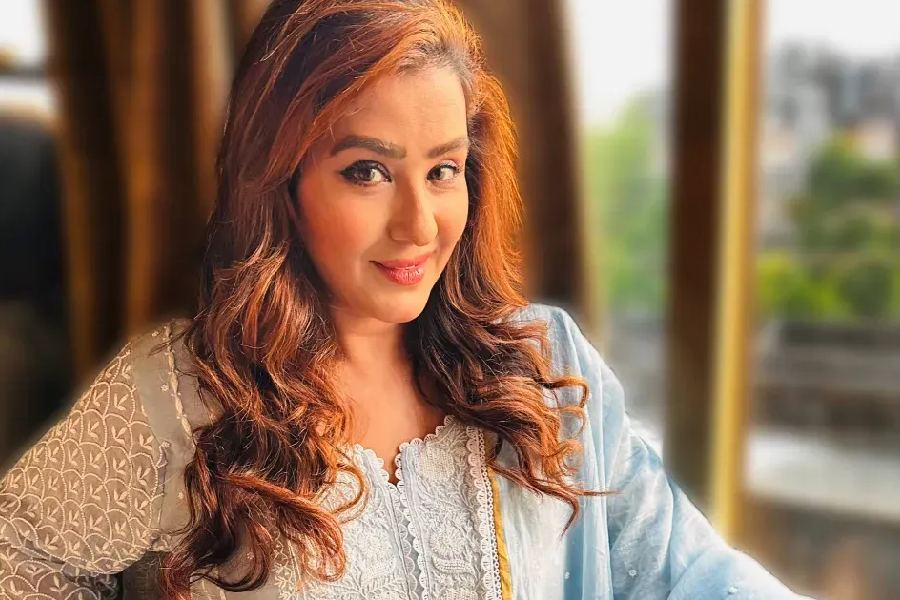
Lack of Support from Co-Actors
One of the most striking aspects of Shinde’s recent remarks was her assertion that many of her co-actors and peers chose not to support her during the controversy.
According to the actress, colleagues who privately understood her concerns were reluctant to publicly stand by her side. She believes this reluctance stemmed from fears of professional repercussions and the desire to avoid conflict with influential figures in the industry.
Shinde suggested that while some individuals may have sympathized with her situation, few were willing to risk their careers by openly expressing support. She described this as a reflection of the broader culture within television, where maintaining professional security often takes precedence over solidarity.
Challenges Faced by Television Actors
The actress’s comments have reignited conversations about the challenges faced by television actors in India. Industry professionals have long discussed issues such as demanding schedules, contractual disputes, creative differences, and power imbalances between performers and production teams.
Shinde’s observations highlight concerns about how disputes are handled and whether artists have sufficient platforms to voice grievances without fearing professional consequences. Her remarks also underscore the pressures faced by actors who work within a highly competitive entertainment ecosystem.
Many performers rely on long-running television projects for financial stability and visibility, making disagreements with producers particularly sensitive. This dynamic can create situations where artists may feel compelled to remain silent despite concerns.
A Career Defined by Resilience
Despite the controversies that have marked parts of her professional journey, Shinde remains a prominent figure in Indian entertainment. Following her television success, she expanded her public profile through reality television appearances and continued to maintain a strong fan following.
Her willingness to revisit past disputes and openly discuss industry practices reflects a broader trend of performers speaking more candidly about their experiences. As conversations about workplace environments and professional accountability continue to evolve across the entertainment sector, such statements often attract significant public attention.
Broader Industry Debate
Shinde’s latest comments have once again brought the spotlight back to longstanding debates surrounding transparency, fairness, and power structures within the television industry. While opinions remain divided, her allegations have added fuel to ongoing discussions about how actors and producers interact and how workplace disputes should be addressed.
As the entertainment industry continues to evolve, questions regarding artist welfare, professional support systems, and organizational accountability are likely to remain central topics of discussion. Shinde’s remarks serve as another reminder of the complexities that often exist behind the scenes of television production, beyond the glamour seen on screen.
Whether her statements lead to renewed industry introspection remains to be seen, but they have undoubtedly reopened a conversation about the challenges faced by artists navigating one of India’s most competitive entertainment sectors.