
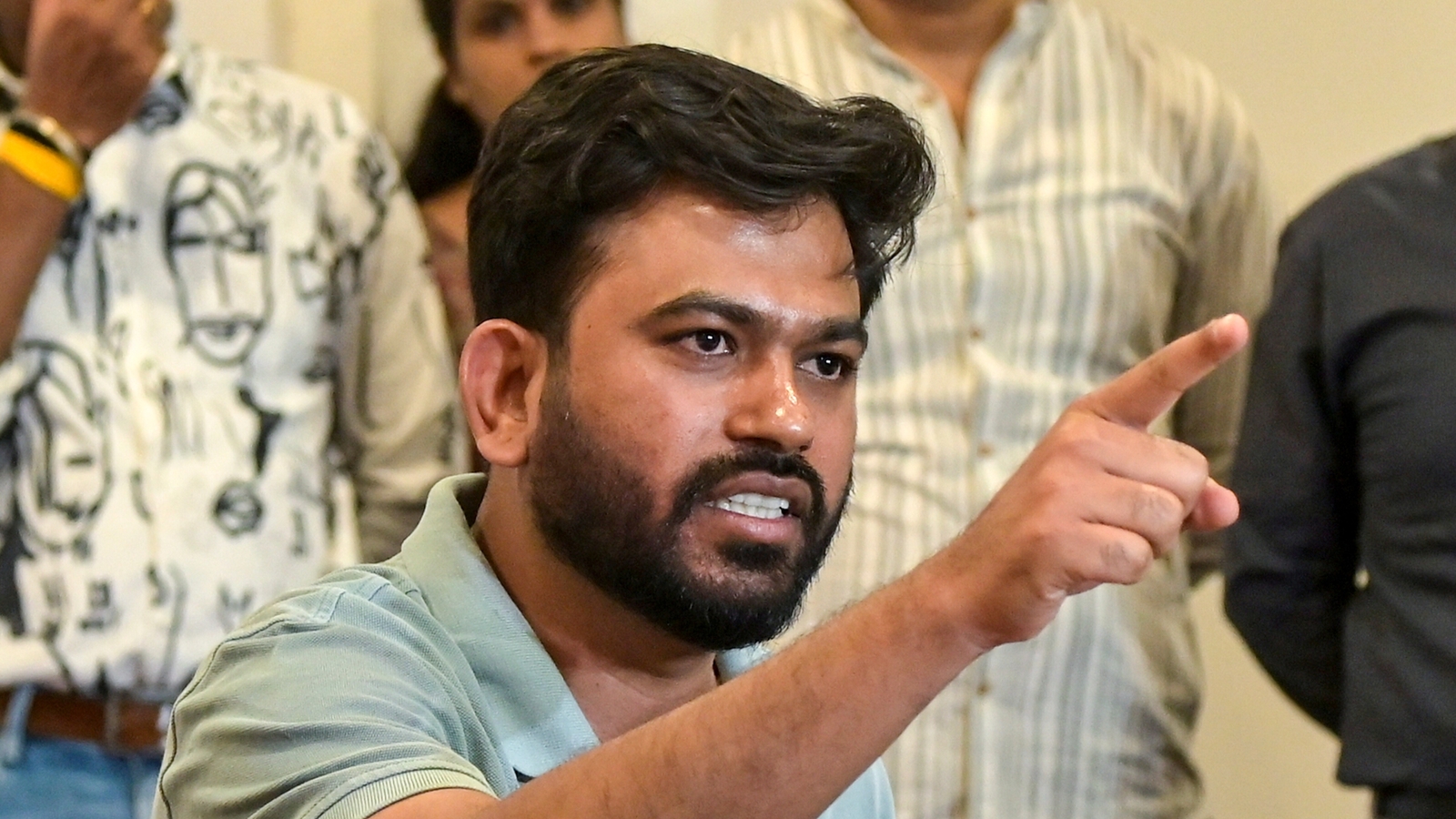
In a striking intervention amid continuing concerns over examination integrity in India, the self-described “Cockroach Janta Party” has issued an open letter to the Prime Minister, demanding substantial compensation for families of students whose deaths have allegedly been linked to the NEET paper leak controversy.
The group has called for financial assistance of ₹1 crore for each affected family, arguing that the emotional, psychological, and social consequences of the examination scandal have had devastating effects on students and their households. The demand has reignited discussions about accountability, examination reforms, and the immense pressure faced by students preparing for highly competitive entrance tests.
Demand Centers on Alleged Student Suicides
According to the letter, the organization believes that several students suffered severe emotional distress following revelations surrounding the alleged leak of the NEET examination paper. The group contends that students who spent years preparing for the medical entrance examination felt betrayed by a system that was expected to provide a fair and transparent assessment process.
The letter argues that when trust in such a critical national examination is undermined, students can experience feelings of helplessness, disappointment, and uncertainty regarding their future prospects. It claims that these factors may have contributed to tragic outcomes in certain cases and therefore warrant direct intervention by the government.
The organization has urged authorities to recognize the human cost of examination irregularities and provide meaningful support to affected families.
Call for Government Accountability
Beyond financial compensation, the letter raises broader questions about institutional responsibility. The group has emphasized that competitive examinations play a decisive role in shaping the educational and professional futures of millions of young people.
The demand reflects growing public concern over how examination-related controversies impact students who invest years of effort, financial resources, and emotional energy in preparing for entrance tests. Critics of examination irregularities argue that any compromise in fairness can have far-reaching consequences, particularly in high-stakes exams such as NEET, where competition is intense and opportunities are limited.
The letter calls upon policymakers to take stronger measures to ensure that similar incidents do not occur in the future. 
Examination Integrity Under Spotlight
The NEET paper leak controversy triggered widespread debate across the country regarding the security of national-level examinations. Allegations surrounding the conduct of the exam prompted investigations and raised concerns among students, parents, educators, and policymakers.
The issue also led to demands from various quarters for greater transparency in examination administration, stricter oversight mechanisms, and enhanced safeguards against malpractice.
Education experts have repeatedly stressed that maintaining public confidence in entrance examinations is essential for preserving the credibility of the higher education system. Any perception of unfairness, they argue, can undermine faith in merit-based selection processes.
Student Mental Health a Growing Concern
The open letter has once again drawn attention to the mental health challenges faced by students preparing for competitive examinations. Academic pressure, uncertainty regarding results, and concerns about fairness can significantly affect the emotional well-being of candidates.
Mental health advocates have long called for stronger support systems, including counseling services, stress-management programs, and crisis intervention mechanisms for students navigating high-pressure academic environments.
The latest demand for compensation has therefore expanded the conversation beyond examination security, placing renewed focus on the broader issue of student welfare and psychological support.
Demand for Structural Reforms
In addition to financial relief, the letter emphasizes the need for comprehensive reforms aimed at strengthening examination systems. Suggestions include enhanced security measures, stricter enforcement against cheating networks, improved accountability frameworks, and faster responses to allegations of malpractice.
Supporters of reform argue that restoring public trust requires not only investigating past irregularities but also implementing safeguards that prevent future controversies.
The call for compensation has therefore become part of a larger debate about educational governance, institutional accountability, and the protection of student interests.
Broader Public Debate
The demand by the Cockroach Janta Party has attracted attention because of both the scale of compensation sought and the emotional issues it raises. While opinions may differ on the appropriateness of monetary relief, the appeal underscores growing concerns about the consequences of examination-related controversies on students and families.
As discussions continue, the episode serves as a reminder of the enormous stakes involved in competitive entrance examinations and the need for systems that are transparent, secure, and trusted by the millions of candidates who participate in them every year.
The controversy has once again highlighted the importance of safeguarding examination integrity while ensuring that student welfare remains at the center of educational policymaking.