
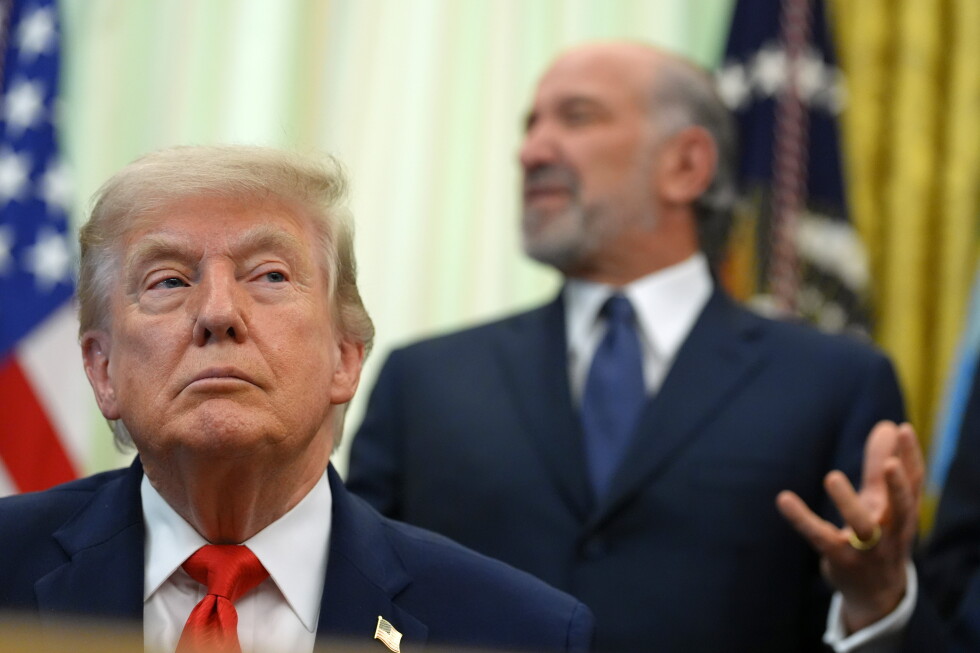
As global leaders gathered for the G7 Summit, U.S. President Donald Trump projected confidence that a diplomatic solution could still be reached regarding Iran’s controversial nuclear programme. His remarks reflected a belief that negotiations and international engagement may eventually produce a breakthrough, even as intelligence and security officials continue to express concerns about Tehran’s advancing uranium enrichment activities and broader nuclear ambitions.
The differing assessments underscore a growing divide between political optimism and intelligence-based caution at a time when tensions surrounding Iran’s nuclear programme remain one of the most pressing international security challenges.
Trump Signals Confidence in Diplomatic Progress
Speaking on the sidelines of the G7 Summit, President Trump indicated that he remained hopeful about the possibility of securing an agreement that could ease tensions between Washington and Tehran. According to the U.S. president, diplomatic channels remain open, and there is still room for negotiations that could potentially limit Iran’s nuclear activities while preventing further instability in the Middle East.
Trump’s comments suggested that he believes Iran may eventually choose a negotiated settlement over continued confrontation. The president emphasized the importance of dialogue and expressed confidence that a workable arrangement could be achieved despite the complex geopolitical environment.
His statements come amid increasing international efforts to prevent further escalation in the region and to ensure that Iran’s nuclear programme remains within internationally accepted limits.
Intelligence Community Raises Red Flags
While the White House has expressed optimism, several intelligence and security agencies remain far more cautious about Iran’s intentions.
Officials within the intelligence community have reportedly continued to monitor developments related to Iran’s nuclear infrastructure, particularly its uranium enrichment capabilities. Their concerns stem from the belief that Tehran has significantly expanded its technical capacity in recent years, potentially reducing the time required to produce material that could be used in a nuclear weapon if such a decision were ever made.
Security analysts argue that even if political negotiations resume, Iran’s accumulated technical expertise and nuclear advancements cannot easily be reversed. As a result, intelligence officials are urging policymakers to maintain a realistic assessment of the risks involved.
The gap between diplomatic expectations and intelligence evaluations highlights the complexity of the issue and the challenges facing negotiators seeking a long-term solution. 
Uranium Enrichment Remains the Central Issue
At the heart of the debate is Iran’s uranium enrichment programme, which has been a source of international concern for years.
Iran maintains that its nuclear activities are intended for peaceful purposes, including energy production and scientific research. However, Western governments and international watchdogs have repeatedly expressed concerns over enrichment levels and stockpiles that exceed limits established under previous agreements.
Experts note that uranium enrichment is a dual-use technology. While it can support civilian nuclear energy programmes, higher enrichment levels can also move a country closer to weapons-grade capability. This reality has made enrichment restrictions one of the most contentious aspects of past negotiations.
Any future agreement would likely need to address enrichment levels, monitoring mechanisms, inspection protocols, and verification measures to satisfy both international concerns and Iran’s national interests.
G7 Leaders Closely Monitoring Developments
The issue of Iran’s nuclear programme has emerged as an important topic of discussion among leaders attending the G7 Summit. Member nations continue to support diplomatic efforts aimed at reducing regional tensions while preventing nuclear proliferation.
Several allied governments have emphasized the importance of a coordinated international response, arguing that sustained diplomacy remains the most effective path toward avoiding further conflict. At the same time, leaders have acknowledged the need to maintain pressure and vigilance regarding Iran’s nuclear activities.
The summit has provided an opportunity for major economies to align their positions on security challenges, with Iran remaining a key focus of broader discussions about stability in the Middle East.
Regional and Global Implications
The outcome of any future negotiations with Iran could have far-reaching consequences beyond the immediate nuclear issue. A successful agreement could help reduce geopolitical tensions, stabilize energy markets, and lower the risk of military confrontation in a strategically important region.
Conversely, a breakdown in diplomacy could increase uncertainty, intensify regional rivalries, and heighten concerns among international security experts. Countries across the Middle East continue to closely watch developments, given the potential impact on regional power dynamics.
The United States and its allies face the challenge of balancing diplomatic engagement with security considerations, while ensuring that any agreement effectively addresses concerns about nuclear proliferation.
Uncertain Road Ahead
Despite President Trump’s optimistic outlook, significant obstacles remain before any comprehensive understanding with Iran can be achieved. The differences between political expectations and intelligence assessments illustrate the complexity of the negotiations and the high stakes involved.
As discussions continue, policymakers, intelligence officials, and international partners will closely monitor Iran’s nuclear activities and diplomatic signals. Whether optimism or skepticism ultimately proves more accurate will depend on future negotiations, verification mechanisms, and Tehran’s willingness to address longstanding international concerns.
For now, the debate surrounding Iran’s nuclear programme remains a defining issue in global diplomacy, with world leaders seeking a path that balances security, stability, and the possibility of a lasting agreement.