
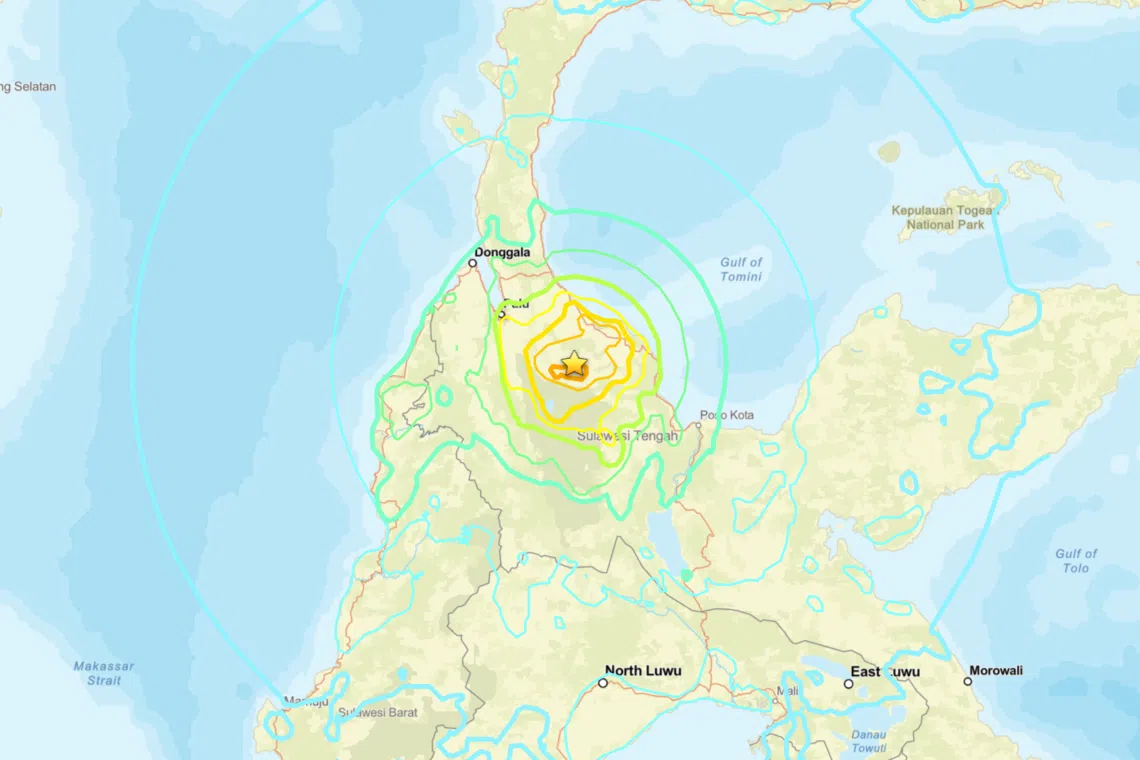
A strong earthquake measuring 6.7 on the Richter scale struck Indonesia’s Sulawesi region, sending tremors across a wide area and prompting authorities to assess potential damage and safety risks. The seismic event was felt in several parts of the island, including communities near the city of Palu, an area that has experienced devastating earthquakes in the past.
The earthquake occurred beneath the sea near Sulawesi, one of Indonesia’s largest islands, and was recorded by international seismic monitoring agencies. Residents reported feeling intense shaking that lasted for several seconds, causing panic among local communities as people rushed out of homes, offices, and public buildings to seek safer locations.
Tremors Felt Across Multiple Areas
Witnesses described strong vibrations and swaying structures as the earthquake struck. While the shaking was significant enough to be felt across a broad region, emergency authorities immediately began evaluating reports from affected districts to determine whether any infrastructure had been damaged.
Local disaster management teams were placed on alert and coordinated with regional authorities to monitor developments. Residents in coastal and urban areas were advised to remain vigilant for possible aftershocks, which frequently follow earthquakes of this magnitude.
The quake was felt in several communities across Sulawesi, reigniting memories of previous seismic disasters that have impacted the region. Public officials urged people to remain calm while following official safety instructions.
No Immediate Tsunami Threat Reported
Following the earthquake, monitoring agencies evaluated the possibility of a tsunami. Initial assessments indicated that the undersea quake did not generate conditions likely to trigger a major tsunami, reducing concerns for coastal populations.
Authorities nevertheless continued to monitor sea-level conditions and seismic activity as a precautionary measure. Emergency response agencies emphasized that residents should rely on official announcements rather than rumors circulating on social media.
The absence of an immediate tsunami warning brought some relief to communities living along the coastline, although disaster management teams maintained heightened readiness in case of further developments. 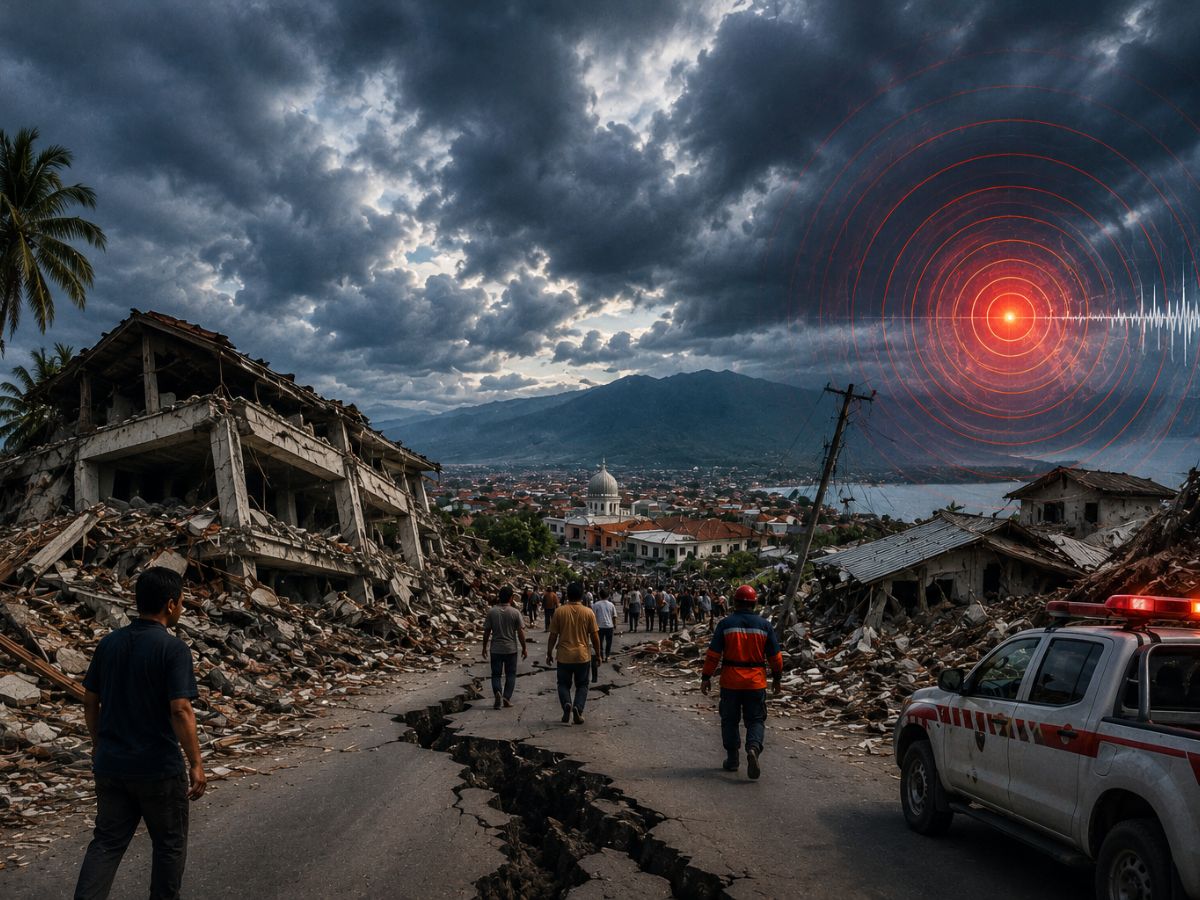
Indonesia’s High Earthquake Risk
Indonesia is among the most earthquake-prone nations in the world due to its location along the Pacific Ring of Fire, a vast zone where several tectonic plates meet. The country experiences frequent seismic activity, ranging from minor tremors to major earthquakes capable of causing widespread destruction.
Sulawesi, in particular, sits near active fault systems and has a history of powerful earthquakes. The region remains under constant geological monitoring because of the significant risks posed by tectonic movements beneath the earth’s surface.
Experts note that earthquakes occur when accumulated stress between tectonic plates is suddenly released, producing seismic waves that travel through the ground. The strength and impact of an earthquake depend on factors such as depth, location, and proximity to populated areas.
Emergency Authorities Continue Assessments
In the hours following the quake, disaster response agencies continued collecting information from local governments and emergency personnel. Authorities focused on identifying any structural damage, disruptions to transportation networks, or injuries resulting from the tremors.
Emergency services remained prepared to provide assistance if necessary, while geological agencies monitored the area for aftershocks and additional seismic activity. Residents were encouraged to inspect buildings for potential damage and follow established earthquake safety procedures.
Officials emphasized that comprehensive assessments would take time as teams gathered reports from affected communities across Sulawesi.
Ongoing Monitoring and Public Safety Measures
Seismologists are closely observing the region to determine whether the earthquake could be followed by significant aftershocks. Such secondary tremors are common after major seismic events and can sometimes pose additional risks to weakened structures.
Authorities urged the public to remain informed through official channels and to be prepared for potential aftershocks. Emergency preparedness measures, including evacuation planning and awareness of local safety protocols, remain important in earthquake-prone regions.
The latest earthquake serves as another reminder of Indonesia’s vulnerability to natural disasters and the importance of maintaining robust monitoring systems and disaster preparedness strategies. As assessments continue, authorities are working to ensure public safety while evaluating the full impact of the powerful tremor across Sulawesi and surrounding areas.