
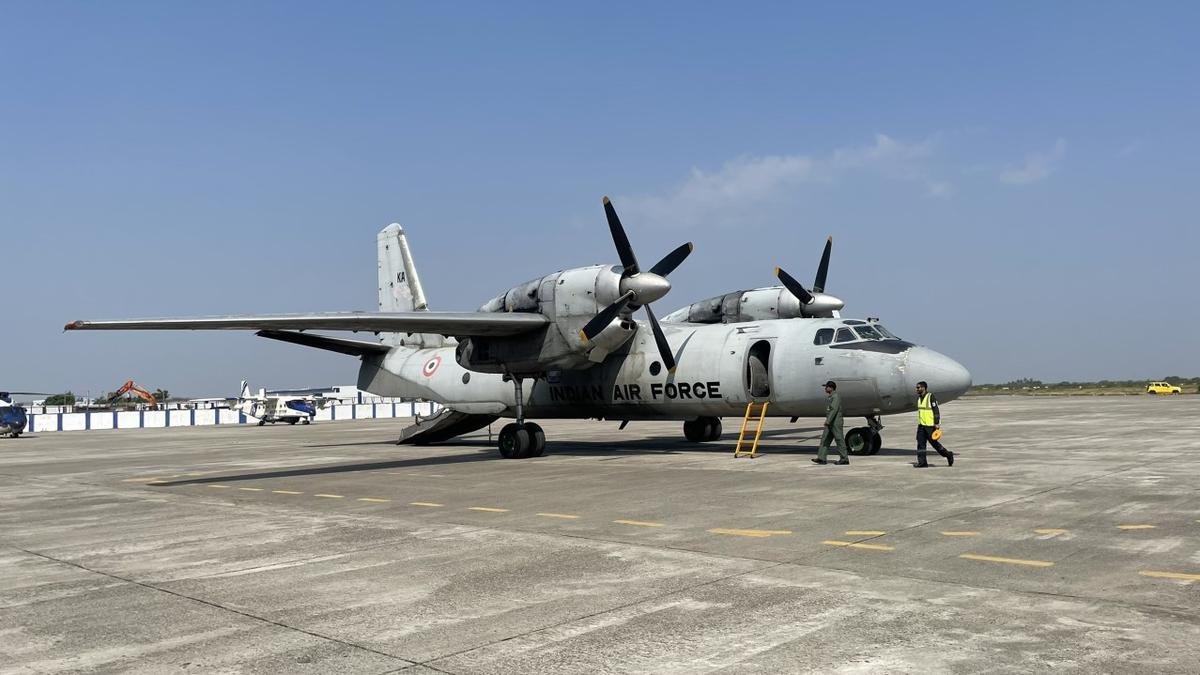
The recent crash involving an Indian Air Force (IAF) AN-32 transport aircraft in Assam has once again drawn attention to one of the military’s most important logistical assets. The aircraft, which has served the Indian Air Force for decades, is regarded as the backbone of transport operations in difficult terrain and remote regions across the country.
While investigations are underway into the circumstances surrounding the accident, defence experts note that the AN-32 has played a crucial role in supporting India’s military presence in some of the world’s most challenging environments.
Origin of the AN-32
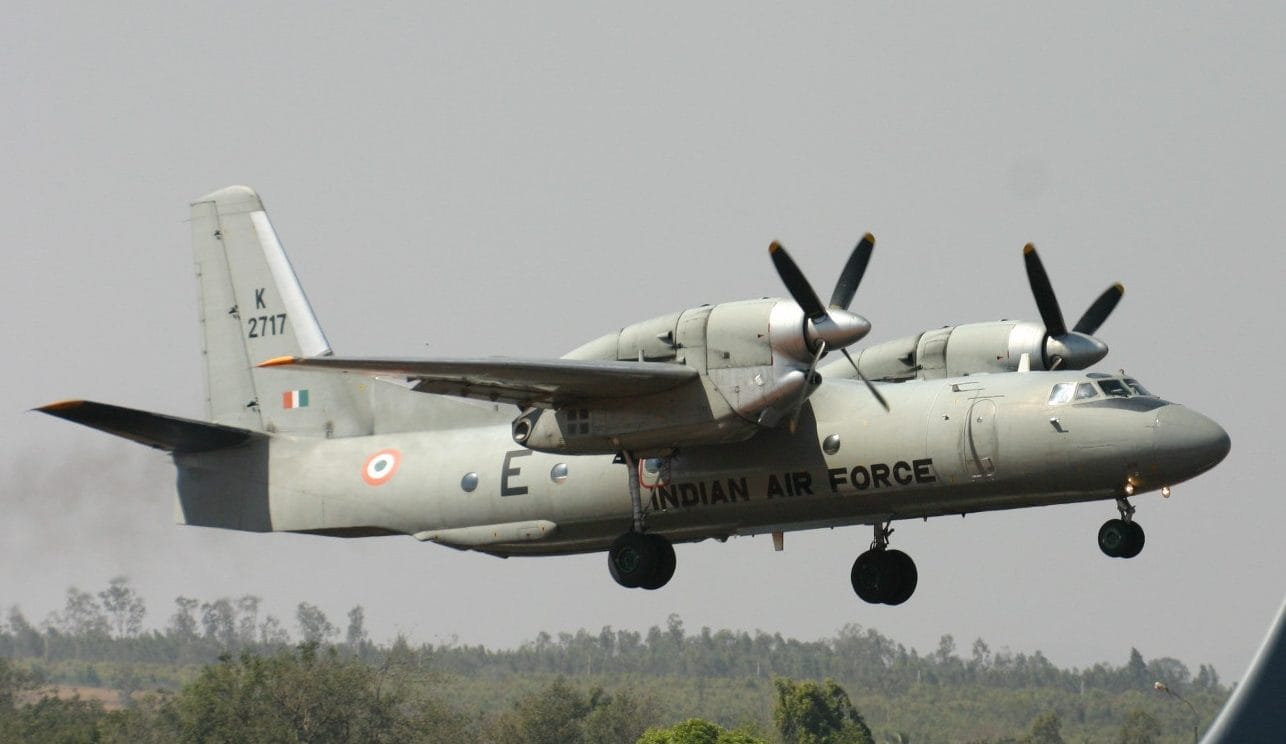
The AN-32, officially known as the Antonov AN-32, is a twin-engine turboprop military transport aircraft developed during the Soviet era. Designed by the Antonov Design Bureau, the aircraft was specifically engineered to operate efficiently in extreme climatic conditions and at high altitudes.
The platform was developed as an upgraded version of the AN-26, featuring more powerful engines that allow it to function effectively in “hot and high” conditions—an essential requirement for countries with mountainous regions and varying weather conditions.
When Did India Induct the AN-32?
India inducted the AN-32 into the Indian Air Force in 1984. Over the years, the aircraft became an indispensable part of the IAF’s transport fleet.
India is currently one of the largest operators of the AN-32 globally. More than a hundred aircraft have been used by the Air Force over the decades, with several undergoing modernization programmes aimed at extending their operational lifespan.
Why Is the AN-32 Important to the Indian Air Force?
Unlike conventional transport aircraft, the AN-32 was designed to perform missions in regions where weather, altitude and terrain pose significant challenges.
Its primary functions include:
- Transporting troops and military personnel.
- Delivering ammunition and supplies to forward bases.
- Supporting humanitarian and disaster relief missions.
- Carrying equipment to remote border locations.
- Conducting logistical operations in mountainous regions.
The aircraft’s ability to land on short runways and operate in high-altitude conditions has made it especially valuable for missions in Ladakh, Arunachal Pradesh, the Himalayan sector and even the Siachen Glacier region.
Operations in India’s Remote Frontiers
The AN-32 has been central to maintaining supply chains in areas where road connectivity is limited or weather conditions frequently disrupt transportation.
From the northeastern states to the northern borders, the aircraft has ensured the movement of food supplies, fuel, construction material and military equipment to strategically important locations. Its rugged design and adaptability have allowed it to remain operational in environments where many aircraft would struggle.
Technical Features of the AN-32
Some notable characteristics of the aircraft include:
- Twin-engine turboprop configuration.
- Capability to operate from semi-prepared airstrips.
- High thrust-to-weight ratio.
- Enhanced performance in tropical climates and mountainous terrain.
- Ability to carry personnel, cargo and essential military supplies.
These features have enabled the aircraft to remain relevant despite its age.
The Recent Assam Incident
The latest AN-32 accident occurred at the Indian Air Force station in Jorhat, Assam, during landing operations. Authorities have initiated an inquiry to determine the exact cause of the mishap. Preliminary reports indicated that emergency teams responded immediately following the incident.
The accident resulted in the loss of five Air Force personnel, while one crew member reportedly survived and is receiving medical treatment.

Future of the AN-32 Fleet
As aviation technology evolves, the Indian Air Force has been gradually exploring options for modern replacements and upgrades to its ageing transport fleet. However, the AN-32 continues to remain a key operational asset due to its proven reliability in demanding environments.
Despite being a legacy Soviet-era platform, the aircraft’s long service history reflects its significance in India’s defence infrastructure.
The recent tragedy in Assam has once again highlighted both the importance of military transport aviation and the risks faced by personnel who operate these aircraft in service of the nation.