
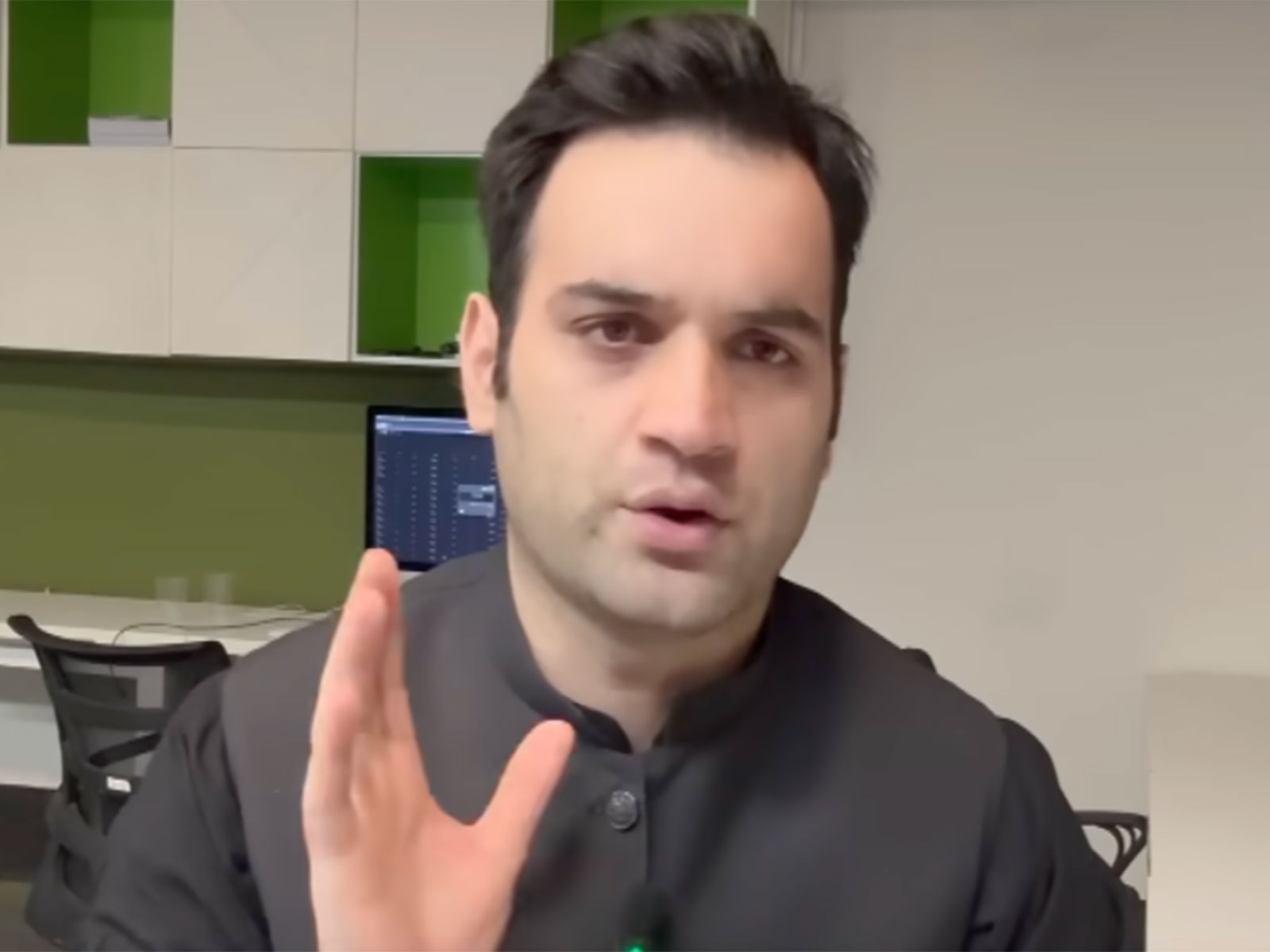
Pakistan is facing mounting criticism from media rights advocates, civil society groups, and political observers after the detention of journalist Sohrab Barkat while he was covering ongoing unrest in Pakistan-occupied Jammu and Kashmir (PoJK). The incident has reignited concerns over press freedom, freedom of expression, and the treatment of journalists operating in politically sensitive regions.
The detention reportedly occurred amid heightened tensions in the region, where protests and public demonstrations have drawn attention to growing dissatisfaction among sections of the local population. Barkat, known for his independent reporting and coverage of regional issues, was allegedly documenting developments related to the unrest when authorities took him into custody.
Concerns Over Press Freedom
The detention has triggered widespread concern among journalist organizations and rights groups, many of which argue that the action reflects an increasingly restrictive environment for independent media. Critics contend that journalists play a crucial role in informing the public about developments in conflict-prone and politically sensitive areas, and any attempt to prevent such reporting undermines democratic principles and transparency.
Media freedom advocates have emphasized that journalists must be allowed to perform their professional duties without fear of intimidation, harassment, or detention. They argue that restricting access to information can create an atmosphere of uncertainty and raise questions about accountability.
Observers note that the incident comes at a time when concerns about media restrictions in Pakistan have been repeatedly highlighted by international watchdogs. The detention of a journalist covering a significant public issue has therefore drawn particular attention both domestically and abroad.
Unrest in PoJK Draws Attention
The protests in Pakistan-occupied Jammu and Kashmir have reportedly emerged from a combination of political, economic, and governance-related grievances. Demonstrations in various areas have reflected growing frustration among residents over local conditions and administrative policies.
While authorities have sought to maintain order, reports of heightened security measures and restrictions on public activities have generated debate over how the situation is being managed. The unrest has become a subject of considerable public interest, making media coverage of events especially important.
Journalists covering such developments often face challenges, including restricted access to information and increased scrutiny from authorities. Barkat’s detention has therefore been viewed by many as a troubling development in the context of efforts to report on the evolving situation. 
Rights Groups Demand Transparency
Human rights organizations and media associations have called for transparency regarding the circumstances surrounding Barkat’s detention. Several groups have urged authorities to clarify the legal basis for the action and ensure that journalists are afforded appropriate protections under the law.
Advocates argue that independent reporting is essential during periods of public unrest because it provides citizens with accurate information and helps document events as they unfold. They warn that actions perceived as targeting journalists can have a chilling effect on the broader media community.
Calls have also been made for safeguards that protect reporters working in sensitive environments, ensuring they can continue their work without undue interference.
Growing Debate Over Media Restrictions
The detention has reignited broader discussions about the state of press freedom in Pakistan. Analysts say that journalists covering political dissent, protests, and regional conflicts often encounter significant challenges, including pressure, surveillance, and legal obstacles.
Critics argue that a free and independent press is a cornerstone of democratic governance and that journalists must be able to report on matters of public importance without fear of retaliation. Supporters of greater media protections contend that transparency and open reporting ultimately strengthen public trust and institutional accountability.
The case has become a focal point in ongoing debates about the balance between security concerns and the public’s right to information. As attention continues to grow, many observers are watching closely for further developments and any official response regarding Barkat’s detention.
Wider Implications
The detention of Sohrab Barkat has resonated beyond the immediate circumstances of his reporting assignment. For many media observers, the incident represents a broader challenge facing journalists working in contested or politically sensitive regions.
The outcome of the case may have implications for perceptions of media freedom and human rights protections in Pakistan, particularly at a time when international attention remains focused on the treatment of journalists and the accessibility of independent reporting.
As calls for accountability and transparency intensify, the incident continues to fuel debate over the role of journalism in documenting unrest and ensuring that diverse voices and perspectives are represented in public discourse.