
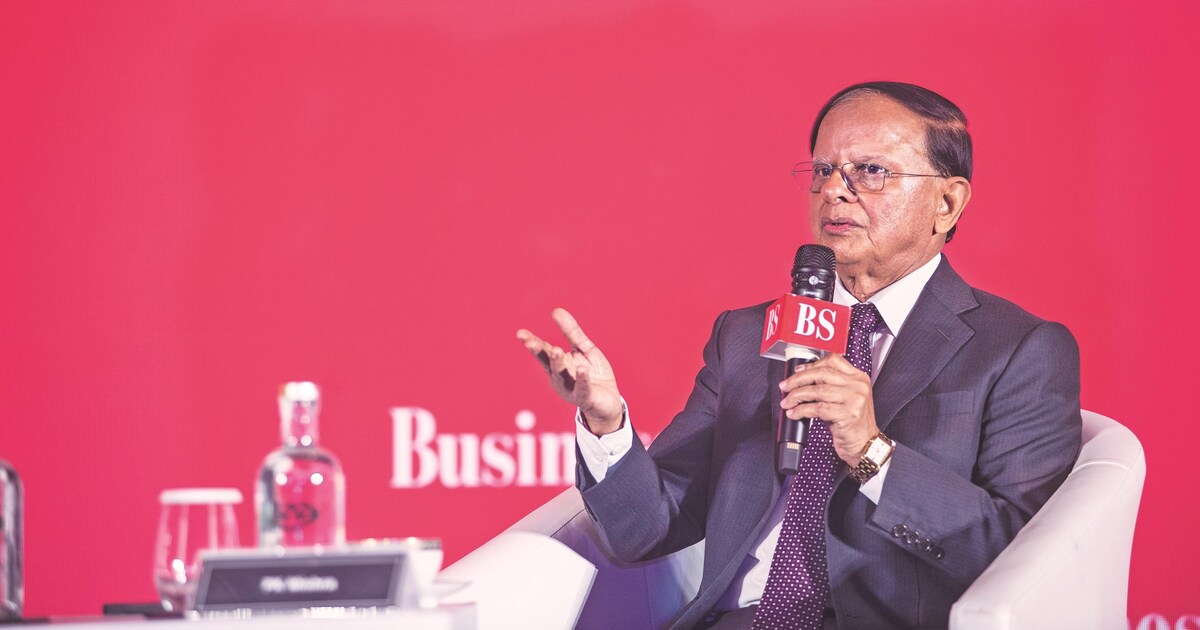
India should move beyond the traditional concept of resilience and focus on creating “antifragile” systems capable of becoming stronger during periods of disruption and uncertainty, Principal Secretary to the Prime Minister P.K. Mishra has said. His remarks come at a time when nations across the world are grappling with geopolitical conflicts, economic volatility, climate-related disasters, technological disruptions, and evolving security challenges.
According to Mishra, the rapidly changing global environment demands a fundamental shift in how governments, institutions, and economies prepare for and respond to crises. Rather than merely surviving shocks, countries must develop systems that learn, adapt, and improve through adversity.
Beyond Resilience: The Need for Antifragility
Mishra emphasized that resilience, while important, is no longer sufficient in a world characterized by increasing unpredictability. He argued that governments and institutions should aspire to build structures that can absorb shocks and emerge stronger after facing challenges.
The concept of antifragility refers to systems that benefit from volatility, stress, and disruption. Unlike fragile systems, which break under pressure, or resilient systems, which simply recover, antifragile systems evolve and improve because of the challenges they encounter.
He noted that recent global events—including the COVID-19 pandemic, international conflicts, supply chain disruptions, and economic turbulence—have demonstrated how interconnected and vulnerable modern economies have become. These developments have underscored the importance of creating institutions capable of adapting to uncertainty rather than relying solely on traditional risk-management models. 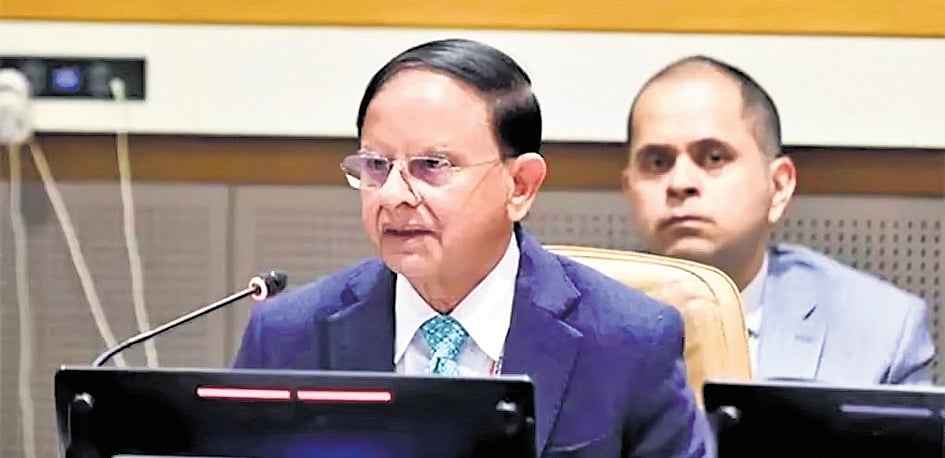
Global Challenges Reshaping Policymaking
Mishra highlighted that policymakers today face a significantly more complex environment than in previous decades. Risks now extend beyond conventional economic concerns and include climate change, cybersecurity threats, technological transformation, geopolitical tensions, and disruptions in global trade networks.
He stressed that uncertainty often cannot be predicted or quantified in the same way as traditional risks. As a result, governments must adopt flexible and dynamic approaches that allow them to respond effectively to unforeseen developments.
The growing complexity of global systems means that disruptions in one region can quickly affect economies, supply chains, and markets across the world. Therefore, long-term planning must incorporate mechanisms for adaptation and rapid response.
Atmanirbhar Bharat and Strategic Preparedness
Mishra linked the idea of antifragility to India’s broader vision of self-reliance under the Atmanirbhar Bharat initiative. He clarified that self-reliance should not be interpreted as isolationism but rather as preparedness for uncertainty in an increasingly volatile global landscape.
He explained that strengthening domestic capabilities in critical sectors allows India to reduce vulnerabilities arising from external shocks while maintaining active engagement with global markets and international partnerships.
India’s efforts to expand manufacturing, enhance digital infrastructure, strengthen supply chains, and improve technological capabilities are all part of a broader strategy aimed at increasing national resilience and strategic autonomy.
According to Mishra, these measures help position India to withstand external pressures while continuing to pursue economic growth and development.
Digital Infrastructure as a Strength Multiplier
A key pillar of India’s evolving resilience framework is its rapidly expanding digital public infrastructure. Mishra noted that technological innovation has enabled the country to improve governance, enhance financial inclusion, and deliver public services more efficiently.
Digital platforms have played a critical role in connecting citizens with government services, expanding access to financial systems, and supporting economic activity. These advancements have also improved the country’s ability to respond to crises and maintain continuity during periods of disruption.
He suggested that investments in digital systems are essential for building adaptive institutions capable of managing future challenges.
Learning from Recent Crises
Recent years have provided valuable lessons for governments worldwide. The pandemic exposed weaknesses in healthcare systems and global supply chains, while geopolitical conflicts highlighted vulnerabilities in energy security, trade networks, and food supplies.
Mishra observed that countries that invested in preparedness, diversification, and institutional capacity were generally better equipped to manage these disruptions. For India, these experiences reinforce the importance of strengthening domestic capabilities while maintaining strategic partnerships with other nations.
He emphasized that lessons learned from past crises should be institutionalized to improve future responses and reduce the impact of emerging threats. 
Building Stronger Institutions
A major component of antifragility involves creating institutions that can adapt to changing circumstances. Mishra stressed the importance of governance reforms, policy innovation, and continuous learning within public institutions.
He argued that governments should focus on creating frameworks that encourage flexibility and responsiveness rather than rigid systems that struggle to cope with unexpected developments.
Such reforms, he suggested, can help improve public service delivery, strengthen disaster management capabilities, and enhance overall national preparedness.
Economic Strength and Demographic Advantage
Mishra also highlighted India’s demographic and economic strengths as key assets in navigating an uncertain future. With one of the world’s largest populations, a growing consumer market, and expanding technological capabilities, India possesses significant advantages that can support long-term growth.
He noted that the country’s large domestic market provides a degree of insulation against external shocks while creating opportunities for innovation and entrepreneurship.
Combined with investments in infrastructure, education, technology, and industrial development, these strengths can help India build a more adaptive and competitive economy.
A Future-Oriented Approach to Risk
The central message of Mishra’s remarks is that uncertainty should no longer be viewed solely as a threat. Instead, policymakers should design systems capable of learning from disruptions and turning challenges into opportunities.
As global risks become increasingly interconnected and difficult to predict, India’s future success may depend on its ability to create institutions, economic structures, and governance frameworks that do more than endure crises—they must evolve because of them.
By embracing antifragility as a guiding principle, India aims to strengthen its capacity to navigate uncertainty while sustaining growth, enhancing national security, and improving the well-being of its citizens.
The vision outlined by Mishra reflects a broader shift in strategic thinking—one that prioritizes preparedness, adaptability, and continuous improvement in an era defined by constant change.