
The Assam government has announced a significant policy shift in the process of Aadhaar card issuance for individuals above the age of 18, introducing stricter verification mechanisms aimed at preventing misuse of identity documents and addressing concerns related to illegal immigration.
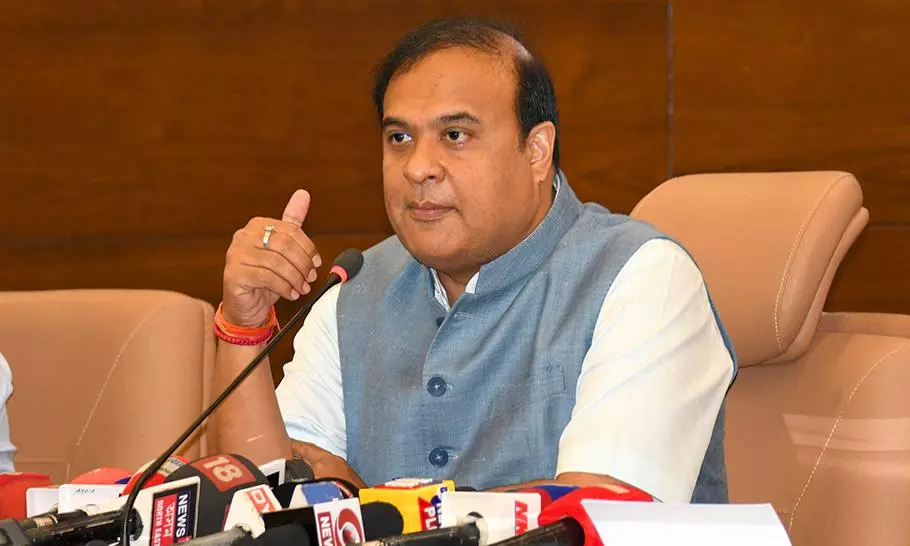
Chief Minister Himanta Biswa Sarma stated that the new measures are intended to ensure that Aadhaar enrollment for adults undergoes enhanced scrutiny before approval. The move forms part of the state’s broader strategy to strengthen identity verification systems and maintain the integrity of official documentation.
Enhanced Verification for Adult Applicants
Under the revised framework, individuals seeking Aadhaar enrollment after attaining adulthood will face additional verification procedures. State authorities believe that stricter checks are necessary to ensure that identity documents are issued only to eligible residents after comprehensive validation of their credentials.
Officials have expressed concerns that gaps in documentation and verification processes could potentially be exploited by individuals attempting to establish identity credentials without sufficient proof of eligibility. By tightening the enrollment process for adults, the government aims to reduce the possibility of fraudulent registrations and strengthen administrative oversight.
According to the state administration, the policy particularly focuses on first-time Aadhaar applicants above the age of 18, a category considered more sensitive from a verification standpoint. Authorities argue that individuals who have not enrolled during childhood may require a more detailed examination of their records and supporting documents.
Government Links Move to Immigration Concerns
The decision comes amid Assam’s long-standing efforts to address issues related to illegal immigration and undocumented residents. The state has historically placed significant emphasis on citizenship verification and the maintenance of accurate population records due to its unique demographic and geographical circumstances.
The government maintains that strengthening identity verification systems is an important component of broader governance and security measures. Officials believe that robust documentation processes can help authorities distinguish between legitimate applicants and those attempting to obtain official identification through improper means.
Chief Minister Sarma emphasized that the initiative is designed to enhance transparency and accountability in the issuance of identity documents. He indicated that the administration seeks to establish a more reliable verification framework while ensuring that genuine residents continue to receive services without unnecessary obstacles. 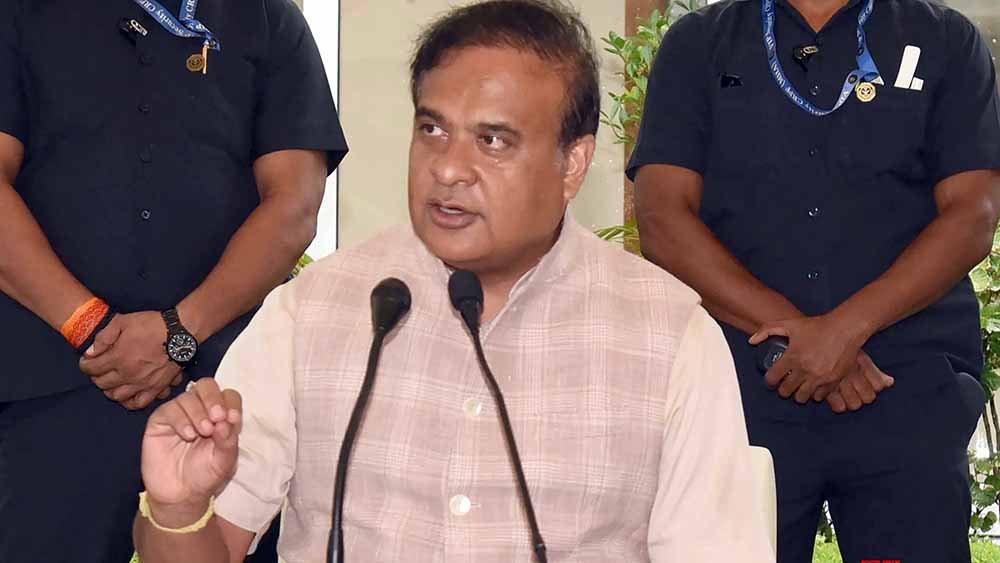
Balancing Security and Access
While the government has defended the move as a necessary administrative safeguard, the policy is also expected to generate discussions regarding accessibility and procedural requirements for applicants. Aadhaar has become one of India’s most widely used identity documents, playing a crucial role in accessing government services, welfare schemes, financial services, and various forms of official verification.
As a result, any changes affecting enrollment procedures are likely to attract attention from policymakers, civil society groups, and residents alike. Supporters of the decision argue that stronger verification measures can improve the credibility of identity systems and reduce opportunities for document fraud.
At the same time, authorities may face the challenge of ensuring that eligible residents are not adversely affected by additional administrative requirements. Experts often stress the importance of maintaining a balance between rigorous verification standards and convenient access to essential identity services.
Part of a Broader Administrative Strategy
The latest announcement aligns with the Assam government’s ongoing focus on documentation, citizenship-related verification, and border management issues. Over the years, the state has implemented multiple initiatives aimed at improving record-keeping, strengthening verification procedures, and enhancing administrative transparency.
Government officials have indicated that the revised Aadhaar issuance process forms part of a larger effort to modernize verification systems and improve coordination among relevant agencies. The objective, according to the administration, is to create a more secure and reliable framework for identity authentication.
The policy is expected to be implemented through coordination between state authorities and agencies responsible for enrollment and verification processes. Detailed operational guidelines are likely to define how applications from adult residents will be assessed and processed under the revised system.
Looking Ahead
The introduction of stricter Aadhaar issuance norms for adults marks another significant step in Assam’s efforts to strengthen identity verification mechanisms. As implementation begins, attention will focus on how effectively the new procedures balance security objectives with public convenience.
The state government remains firm in its position that enhanced scrutiny is necessary to protect the integrity of official identity systems and prevent misuse. The coming months are expected to provide greater clarity on the practical impact of the policy and its implications for residents seeking Aadhaar enrollment in Assam.
With identity verification continuing to play a central role in governance, welfare delivery, and administrative planning, Assam’s latest move is likely to remain a key topic in discussions surrounding documentation, citizenship verification, and public administration in the state.