
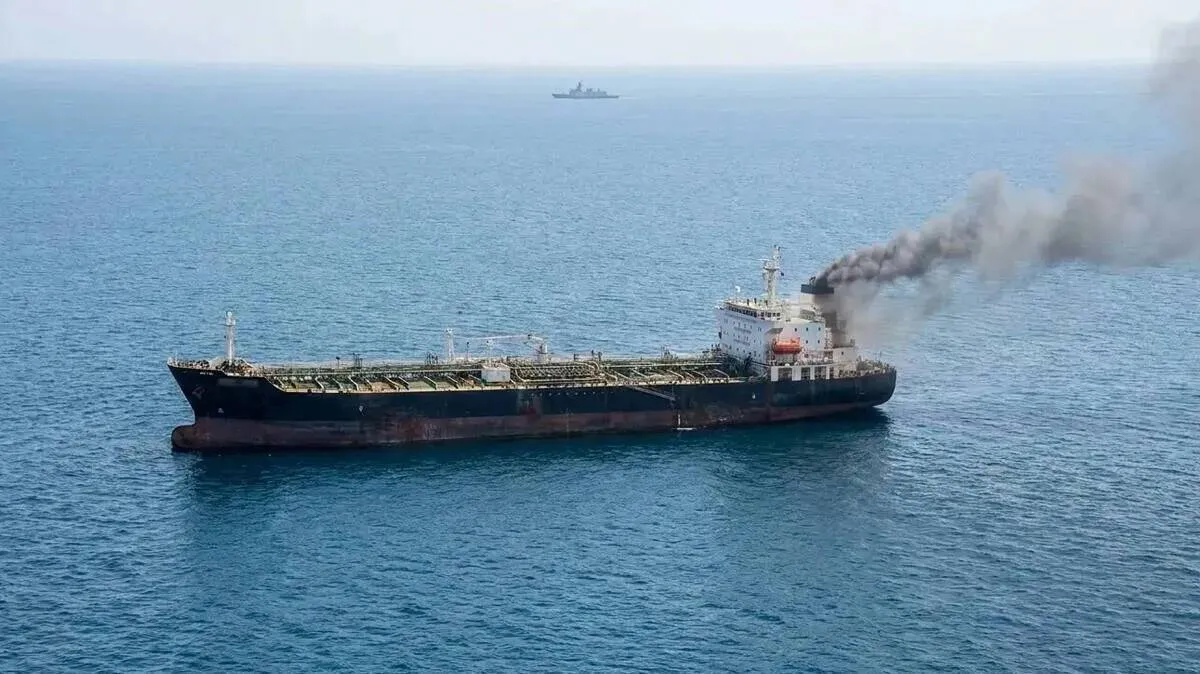
India has intensified monitoring efforts across key maritime corridors in the Gulf region amid growing concerns over regional instability and the security of international shipping routes. The heightened alert comes after a deadly escalation in the ongoing conflict involving Iran, which has raised fears about the safety of commercial vessels operating near the strategically critical Strait of Hormuz.
Government authorities are closely tracking developments in the Gulf of Oman and surrounding waters after reports confirmed the deaths of three seafarers during recent military action linked to the escalating regional confrontation. The incident has renewed concerns about the vulnerability of maritime personnel and the potential impact on global trade and energy supplies.
Strategic Importance of the Strait of Hormuz
The Strait of Hormuz remains one of the world’s most crucial maritime chokepoints, serving as a primary passage for a significant portion of global oil and gas exports. Any disruption in this narrow waterway can have far-reaching consequences for international energy markets, shipping operations, and global supply chains.
For India, the route carries particular significance because a substantial volume of the country’s crude oil imports and commercial trade passes through the region. As tensions continue to rise, Indian authorities are maintaining heightened vigilance to ensure the safety of vessels, cargo, and maritime personnel connected to Indian interests.
Government Closely Monitoring Developments
Officials have indicated that various government agencies are working in coordination to assess the evolving security situation. Maritime authorities, diplomatic channels, and relevant security agencies are reportedly maintaining constant communication to evaluate potential risks and implement necessary precautionary measures.
The government is also keeping track of Indian nationals working aboard international vessels operating in the affected waters. Given the large number of Indian seafarers employed in the global shipping industry, authorities remain focused on ensuring their safety and welfare during periods of heightened regional instability. 
Concerns Over Shipping and Trade Routes
The recent escalation has sparked concerns within the global shipping sector, where operators are carefully evaluating navigational risks in the Gulf region. Industry experts warn that prolonged instability could result in increased insurance costs, route adjustments, and delays in cargo movement.
Commercial shipping companies often face significant challenges during geopolitical crises, particularly when military activity occurs near critical trade routes. Any sustained threat to maritime traffic could affect freight costs and disrupt international commerce.
Market observers are also watching developments closely, as disruptions in the Strait of Hormuz have historically influenced energy prices and global economic sentiment. The possibility of further escalation has prompted governments and businesses worldwide to reassess contingency plans for potential supply chain interruptions.
Impact on Indian Interests
India’s economic and energy security remains closely linked to stability in the Gulf region. The country imports a substantial share of its energy requirements from West Asian nations, making uninterrupted maritime access a strategic priority.
Authorities are therefore focusing not only on immediate security concerns but also on broader implications for trade, energy supplies, and the welfare of Indian citizens working across the region. Diplomatic engagement and maritime surveillance have been strengthened to ensure that any emerging risks are identified and addressed promptly.
Seafarer Safety Under Scrutiny
The deaths of three seafarers in the recent incident have intensified calls for enhanced protection measures for maritime workers operating in conflict-prone regions. Shipping organizations and industry stakeholders continue to emphasize the importance of safety protocols, real-time intelligence sharing, and coordinated international efforts to safeguard civilian vessels.
As regional tensions remain elevated, maritime authorities are expected to maintain a high level of preparedness while monitoring potential developments that could affect commercial navigation.
Outlook
With uncertainty continuing across the Gulf region, India is expected to remain on heightened maritime alert while closely observing developments around the Strait of Hormuz and the Gulf of Oman. The evolving situation highlights the strategic importance of maritime security, international trade routes, and regional stability in an increasingly interconnected global economy.
Government agencies, shipping operators, and international stakeholders are likely to continue coordinated monitoring efforts as they assess the broader implications of the ongoing conflict and its impact on global commerce and energy security.