
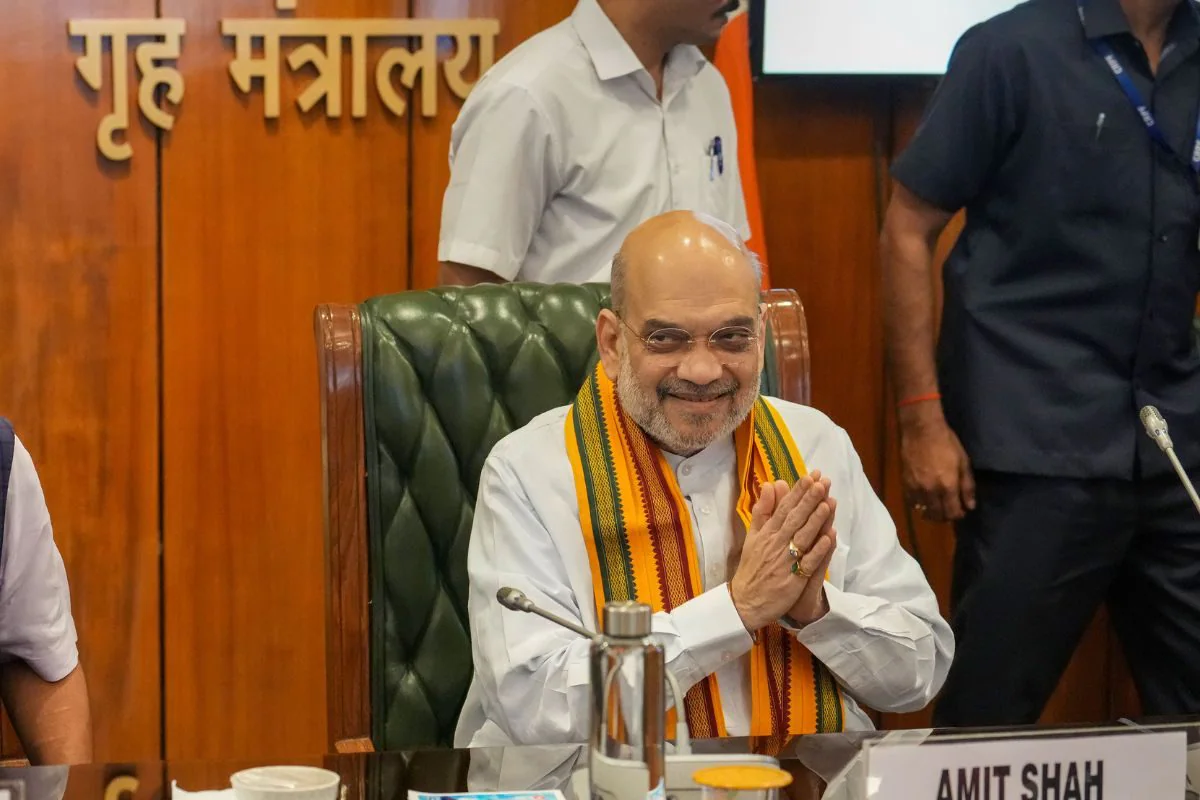
Union Home Minister Amit Shah has expressed confidence that the Armed Forces (Special Powers) Act, commonly known as AFSPA, will be removed from most parts of Northeast India by 2027, highlighting what he described as significant improvements in the region’s security situation and a sustained decline in insurgency-related violence.
Speaking about the government’s efforts to restore peace and stability in the Northeast, Shah said the region has witnessed a remarkable transformation over the past decade. According to him, a combination of security measures, peace agreements, infrastructure development, and increased engagement with local communities has created conditions that could allow for the gradual withdrawal of AFSPA from large areas where it has long been in force.
Improved Security Situation in the Northeast
The Home Minister emphasized that the security landscape in the Northeast has changed considerably compared to previous decades. He noted that incidents of insurgent violence have fallen significantly, while the number of civilian casualties and attacks on security forces has also declined.
Shah stated that multiple peace accords signed with various insurgent groups have contributed to a more stable environment. These agreements have encouraged many former militants to abandon armed struggle and join the democratic process, helping governments focus on development and governance rather than conflict management.
The minister pointed out that several areas that were once considered highly disturbed have already seen AFSPA restrictions eased or withdrawn in recent years. He suggested that the progress achieved so far demonstrates the effectiveness of the government’s long-term strategy for the region.
Government’s Vision for a Peaceful Northeast
According to Shah, the central government remains committed to ensuring lasting peace across the Northeastern states. He said the administration has adopted a dual approach that combines strong security mechanisms with economic development initiatives aimed at addressing the root causes of unrest.
The government has invested heavily in infrastructure projects, including roads, railways, airports, and digital connectivity, with the goal of integrating the region more closely with the rest of the country. Officials believe that improved connectivity and economic opportunities can play a crucial role in preventing the resurgence of insurgent activities.
Shah also highlighted efforts to promote education, employment, tourism, and investment across the Northeast. He argued that sustained economic growth and social development are essential for maintaining peace and stability in the long term. 
AFSPA and Its Significance
The Armed Forces (Special Powers) Act grants special powers to security forces operating in areas designated as disturbed regions. The legislation has been in place in several Northeastern states for decades due to security concerns linked to insurgency and separatist movements.
While supporters of the law argue that it is necessary to combat armed militancy and maintain public order, critics have long called for its repeal, citing concerns over human rights and accountability. The issue has remained a major topic of political and public debate across the region.
In recent years, the government has progressively reduced the areas covered under AFSPA as security conditions improved. The latest statement by the Home Minister signals a broader intention to continue this process, provided peace and stability are maintained.
Peace Agreements Driving Change
A key factor behind the government’s confidence is the series of peace agreements reached with various insurgent organizations over the past several years. These accords have sought to resolve longstanding disputes through dialogue and political engagement rather than armed confrontation.
Officials have frequently cited the reduction in militant recruitment and violence as evidence that these agreements are producing tangible results. The government believes that continued cooperation between local administrations, security agencies, and community leaders will further strengthen peace across the region.
Challenges Remain
Despite the positive outlook, security experts caution that certain areas of the Northeast continue to face challenges. Ethnic tensions, localized conflicts, and occasional security incidents still require careful monitoring and response.
Analysts note that the successful withdrawal of AFSPA from additional regions will depend on the sustained effectiveness of peace initiatives and the ability of governments to address social, political, and economic concerns that have historically fueled unrest.
Nevertheless, the Home Minister’s announcement reflects the government’s optimism about the future of the Northeast and its belief that the region is moving steadily toward a more peaceful and stable era.
Looking Ahead to 2027
The proposed timeline for removing AFSPA from most Northeastern states by 2027 represents a significant milestone in India’s internal security policy. If achieved, it would mark one of the most substantial shifts in the region’s governance and security framework in decades.
Government officials maintain that continued peace-building efforts, development projects, and cooperation among stakeholders will be critical in achieving this objective. As the Northeast continues its transformation, the coming years will be closely watched to see whether the region can sustain the progress necessary for the complete normalization of security conditions.
The announcement has reignited discussions about the future of AFSPA and the broader process of reconciliation and development in Northeast India, with many viewing it as a potential turning point in the region’s long and complex journey toward lasting peace.