
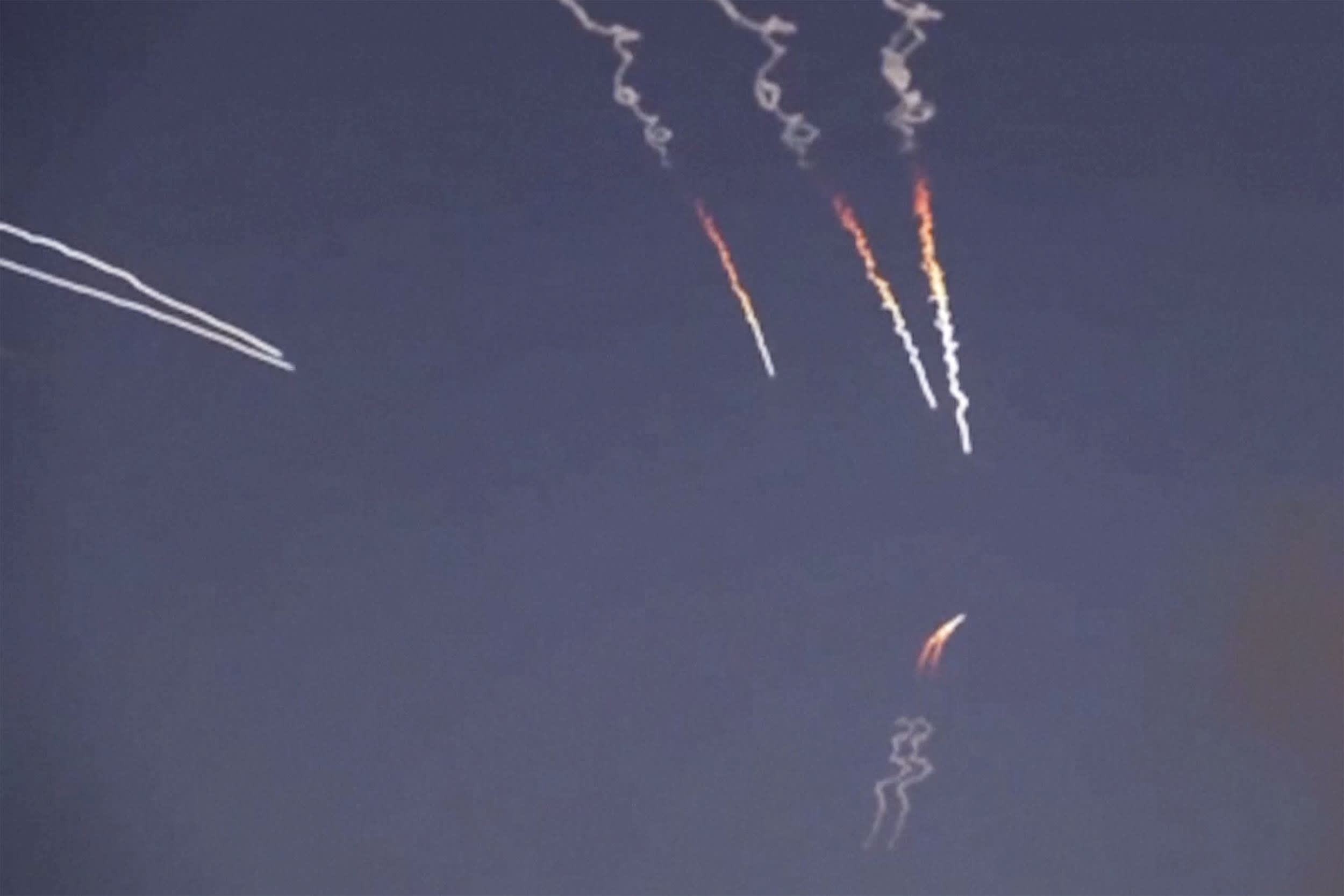
The rapidly intensifying confrontation between Iran and Israel has prompted the United States to reinforce its military posture across the Middle East, signaling growing concern that the conflict could expand into a broader regional crisis. As hostilities continue and security threats increase, Washington has taken precautionary measures to safeguard its personnel, military installations, and strategic interests throughout the region.
The latest developments come amid heightened fears that ongoing exchanges between Iran and Israel could draw additional countries into the conflict, destabilizing an already fragile geopolitical landscape. Regional governments have also raised security alerts as tensions ripple across key strategic corridors in the Gulf and beyond.
United States Reinforces Regional Military Readiness
In response to the deteriorating security environment, the United States has reportedly increased the readiness of military assets stationed across several Middle Eastern countries. American forces maintain a significant presence in the region through air bases, naval facilities, and defense partnerships with allied nations.
The strengthened posture is intended to ensure rapid response capabilities should threats emerge against US personnel, diplomatic facilities, or partner nations. Military planners are closely monitoring developments while coordinating with regional allies to maintain stability and deter potential attacks.
Defense officials have emphasized that the measures are precautionary in nature but reflect the seriousness with which Washington views the possibility of further escalation.
Strategic Importance of Gulf Military Installations
Several Gulf nations host critical American military facilities that play a central role in regional security operations. These bases support surveillance missions, air operations, intelligence gathering, and maritime security efforts throughout the Middle East.
As tensions rise, these installations have become increasingly important in ensuring operational readiness and protecting vital trade routes. Security measures around military sites have reportedly been reviewed and enhanced to address potential risks associated with the evolving conflict.
The Gulf region remains strategically significant due to its proximity to key shipping lanes and energy infrastructure, making stability there a major concern for global markets and international security. 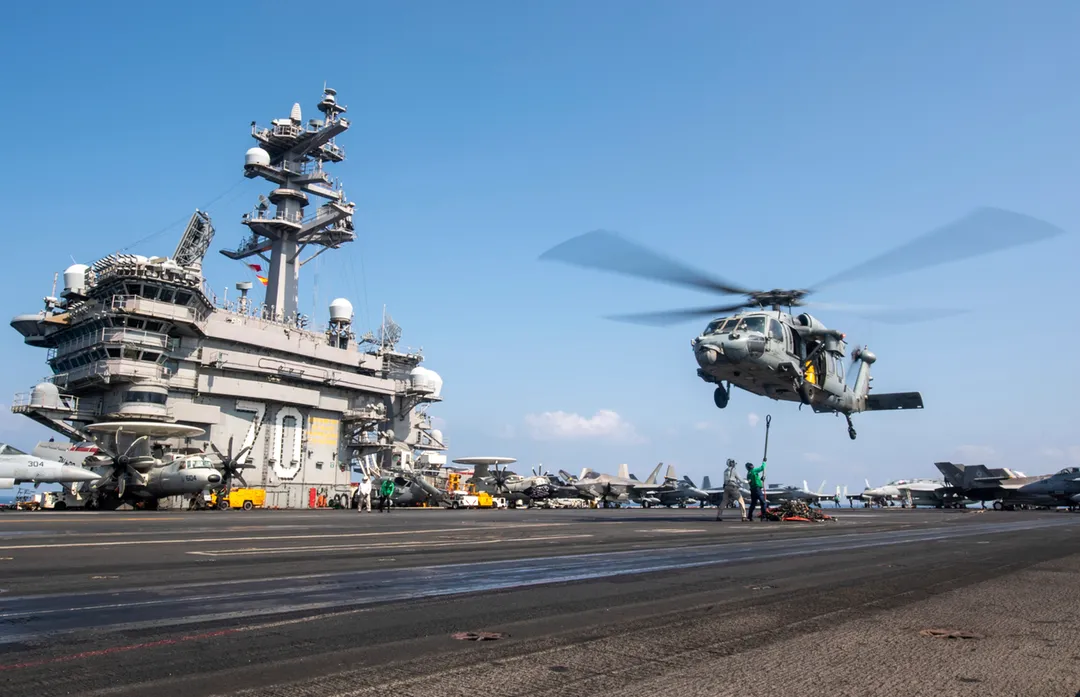
Rising Concerns Over Regional Spillover
The conflict between Iran and Israel has generated widespread concern among neighboring countries, many of which fear that a prolonged confrontation could trigger broader instability. Governments across the region have intensified monitoring efforts and reviewed emergency response plans amid uncertainty over how the situation may develop.
Security analysts warn that even limited military exchanges can have far-reaching consequences, affecting trade, transportation networks, energy supplies, and diplomatic relations. The possibility of retaliatory actions involving regional actors continues to be a major concern for policymakers and defense officials.
Diplomatic channels remain active, with multiple countries urging restraint and calling for measures to prevent further escalation.
Political Leadership Closely Monitoring Developments
American political leaders have been receiving regular security briefings as the situation unfolds. The administration has stressed its commitment to protecting US citizens and military personnel while supporting regional stability.
Officials continue to evaluate intelligence assessments and potential scenarios, balancing deterrence efforts with diplomatic engagement. Washington has reiterated the importance of avoiding actions that could deepen the crisis or increase the likelihood of a wider conflict.
The developments have also become a focal point of international diplomacy, with global powers closely watching the situation and assessing its implications for regional and global security.
Impact on Global Security and Energy Markets
Beyond the immediate military concerns, the Iran-Israel confrontation carries significant economic and geopolitical implications. The Middle East remains a critical hub for global energy production and transportation, meaning any prolonged instability could affect international markets.
Investors, governments, and energy companies are closely tracking developments, particularly regarding the security of maritime routes and critical infrastructure. Any disruption to these networks could have consequences far beyond the region, influencing fuel prices and global trade flows.
Experts note that maintaining stability in the Gulf remains essential not only for regional security but also for the broader international economy.
International Community Calls for Restraint
As tensions continue to rise, governments around the world have urged all parties to exercise caution and avoid actions that could intensify the conflict. Diplomatic initiatives aimed at reducing tensions are ongoing, though the situation remains highly fluid.
The coming days are expected to be critical in determining whether diplomatic efforts can contain the crisis or whether the conflict risks expanding into a wider regional confrontation. For now, military preparedness, diplomatic engagement, and strategic caution remain central to efforts aimed at preventing further instability in one of the world’s most volatile regions.