

A working woman from Navi Mumbai has become the face of growing public frustration over persistent electricity outages after staging an unusual protest that quickly captured attention across social media. Carrying a pillow to a local electricity office late at night, the woman symbolically highlighted the exhaustion and distress caused by recurring power cuts that have reportedly disrupted the lives of thousands of residents.
The incident, which unfolded in the Ulwe area of Navi Mumbai, resonated widely because it reflected a problem many residents say they have been experiencing for weeks. The woman’s act of protest was not merely a symbolic gesture; it represented the mounting frustration of citizens who claim repeated complaints to authorities have failed to bring a lasting solution.
A Protest Born Out of Exhaustion
According to accounts shared online, the woman works long hours and has a limited amount of time each day to rest. She reportedly leaves for work early in the morning and returns home late at night, making uninterrupted sleep essential for her daily routine.
However, frequent night-time power outages allegedly disrupted that routine for nearly two weeks. Residents claim electricity supply in parts of the area was repeatedly interrupted during late-night hours, often lasting until the early morning. Without electricity, homes were left without fans, cooling systems, and other basic comforts, making sleep increasingly difficult amid humid weather conditions.
The woman reportedly became emotionally overwhelmed after enduring several nights of inadequate sleep. Videos circulating online showed her expressing frustration and describing the physical and mental toll the outages had taken on her daily life.
The Pillow Protest
Unable to secure a satisfactory response through conventional complaints, the woman chose an unconventional way to make her point.
Carrying a pillow, she visited the local electricity office and reportedly told officials that she had come there to sleep because the office still had electricity while her neighborhood remained in darkness. The sarcastic protest immediately drew attention online, with many viewers praising her creativity and courage in highlighting a problem that affects numerous households.
The pillow became a powerful symbol of a basic need that many residents felt had been denied to them—adequate rest due to reliable access to electricity. 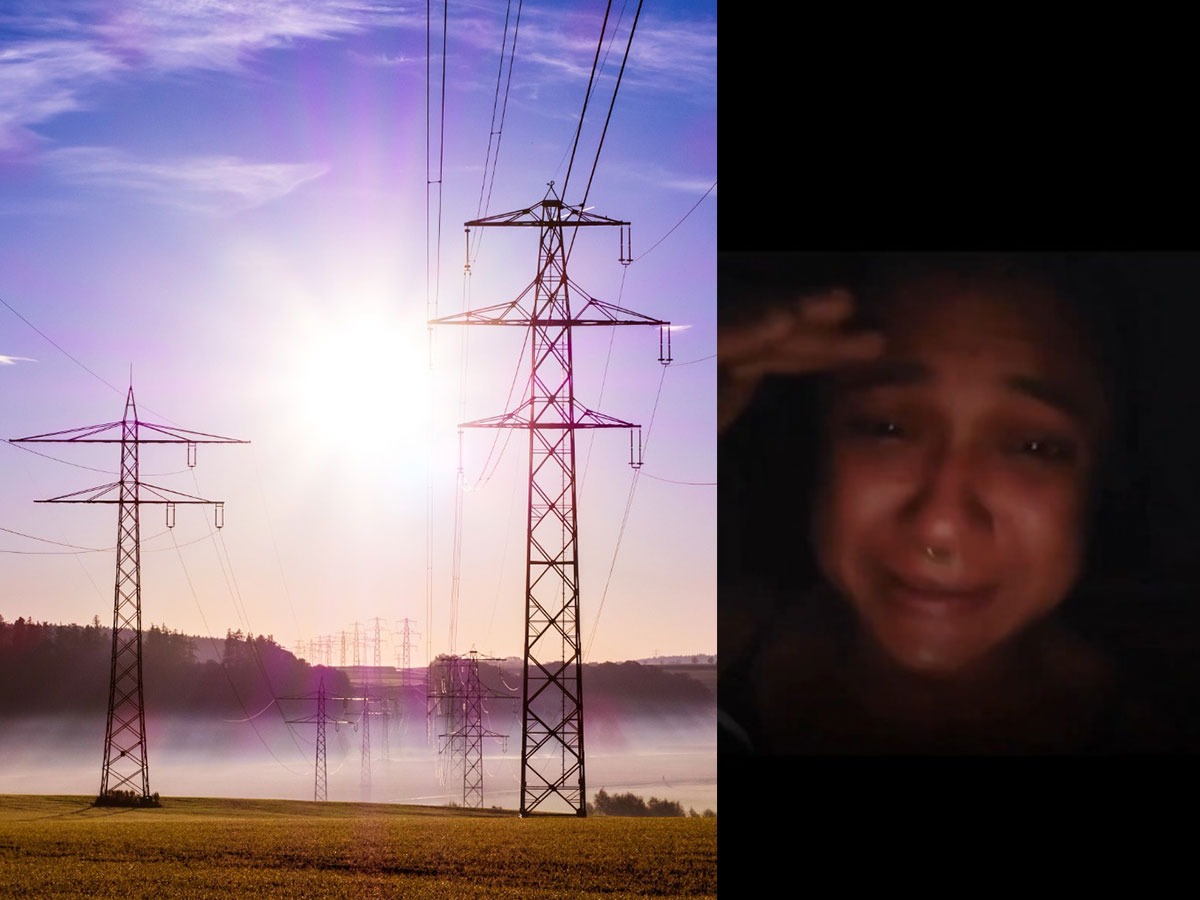
Social Media Amplifies Public Frustration
As videos of the protest spread across social media platforms, thousands of users expressed support for the woman. Many residents from different parts of Navi Mumbai shared similar experiences, describing recurring power cuts, disrupted sleep schedules, and difficulties carrying out routine household activities.
Several users argued that reliable electricity is a fundamental public service and that residents should not have to resort to symbolic demonstrations simply to draw attention to infrastructure failures. Others noted that the protest reflected broader concerns about the quality of civic services in rapidly expanding urban areas.
The incident quickly evolved from an individual grievance into a larger discussion about urban infrastructure, public accountability, and the challenges facing fast-growing residential zones.
Infrastructure Under Scrutiny
The protest has also reignited debate about whether essential infrastructure is keeping pace with the rapid development occurring across Navi Mumbai and surrounding regions.
Over the past several years, the city has witnessed significant residential and commercial expansion. New housing projects, growing population density, and increasing electricity demand have placed additional pressure on existing utility networks.
Residents argue that recurring outages suggest infrastructure upgrades have not kept pace with rising consumption. Questions are being raised about power distribution capacity, maintenance planning, and long-term investments required to support continued urban growth.
For many citizens, the issue extends beyond temporary inconvenience. Frequent power disruptions affect work schedules, education, healthcare needs, household productivity, and overall quality of life.
A Symbol of Everyday Struggles
The woman’s protest struck a chord because it reflected a challenge that many urban residents can relate to. Her emotional appeal highlighted the human impact of infrastructure failures—particularly when they affect basic necessities such as sleep, comfort, and daily well-being.
What began as a personal expression of frustration has now become a widely discussed example of how ordinary citizens use creative methods to draw attention to unresolved civic issues. The viral nature of the protest demonstrates the power of social media in amplifying local concerns and turning individual experiences into broader public conversations.
The Larger Message
Beyond the viral videos and public attention, the protest underscores an important message about accountability in public services. Citizens increasingly expect reliable access to essential utilities, especially in growing urban centers that promote themselves as modern and well-connected.
As authorities face mounting pressure to address recurring electricity disruptions, the woman’s pillow protest may be remembered as a simple yet powerful reminder that behind every infrastructure problem are real people whose daily lives are directly affected.
For now, the image of a resident walking into an electricity office carrying a pillow remains a striking symbol of public frustration—and a call for more dependable civic services in one of Maharashtra’s fastest-growing urban regions.