
Pakistan has firmly rejected a reported proposal from the United States suggesting that Islamabad join the Abraham Accords as part of broader diplomatic efforts connected to regional peace discussions involving Iran. The development has sparked renewed debate over Pakistan’s long-standing foreign policy stance on Israel, Middle East diplomacy, and its strategic ties with Iran.
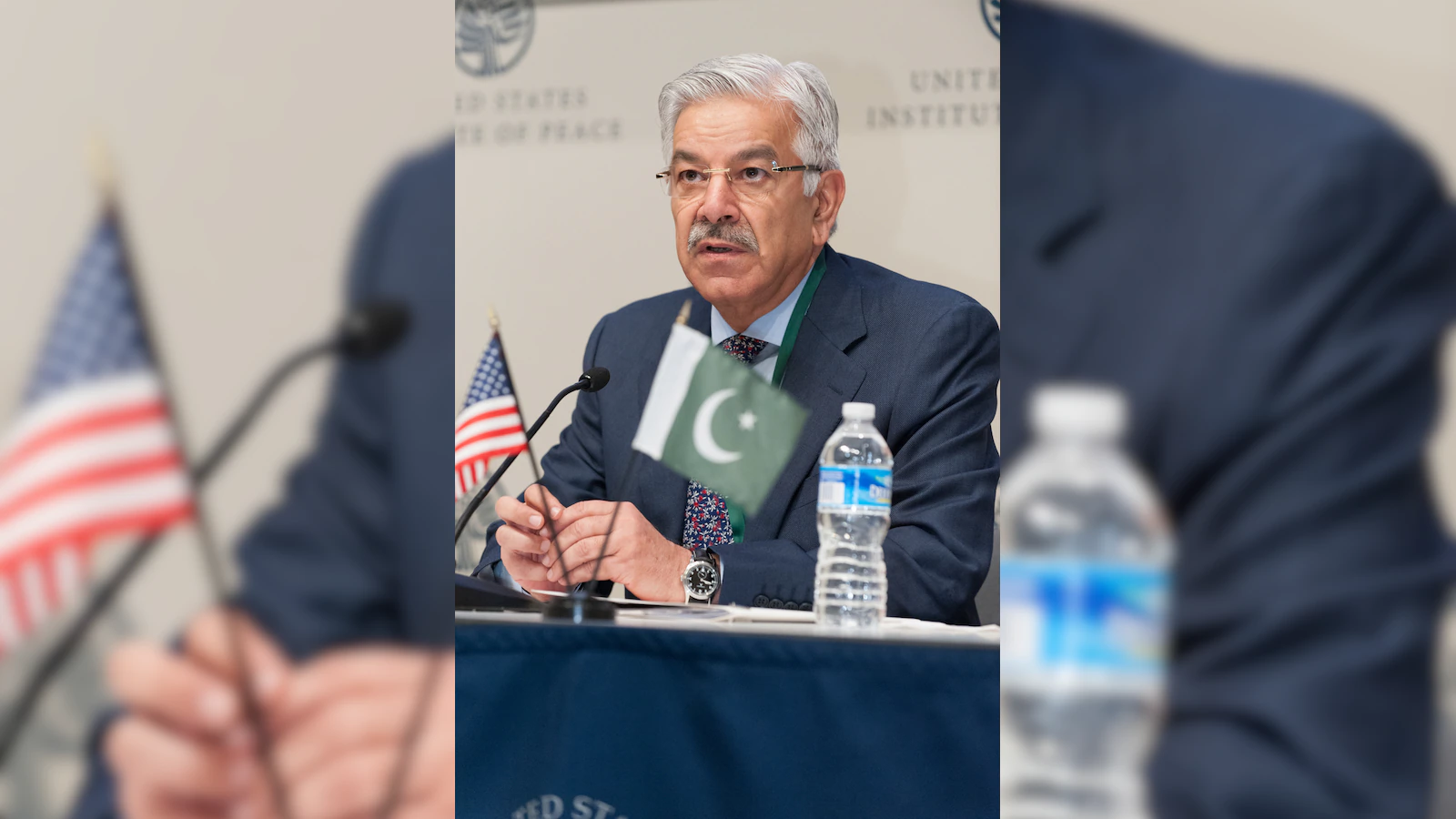
Pakistan’s Defence Minister Khawaja Asif described the proposal as “not acceptable,” reiterating that Pakistan’s position regarding recognition of Israel remains unchanged and closely tied to the establishment of an independent Palestinian state.
The remarks came amid increasing diplomatic activity in West Asia, where tensions involving Iran, Israel, and regional powers continue to influence international negotiations and security calculations.
Pakistan Reaffirms Traditional Foreign Policy Position
Speaking on the issue, Khawaja Asif emphasized that Pakistan would not alter its historic position under external pressure or geopolitical bargaining. He indicated that Islamabad’s policy is rooted in support for Palestinian self-determination and broader concerns regarding regional stability.
Pakistan has never formally recognized Israel and has consistently maintained that normalization of ties can only be considered after a just resolution of the Palestinian issue. The government has repeatedly underlined that its foreign policy decisions would remain aligned with public sentiment, constitutional principles, and commitments to the Muslim world.
Officials in Islamabad also stressed that Pakistan values its strategic and economic relationship with Iran, a neighboring country with which it shares a long border and longstanding diplomatic ties. Any proposal perceived as undermining those ties is likely to face strong resistance within Pakistan’s political and security establishment. 
What Are the Abraham Accords?
The Abraham Accords are a series of normalization agreements brokered by the United States beginning in 2020. The accords led to diplomatic recognition agreements between Israel and several Arab nations, including the United Arab Emirates, Bahrain, Morocco, and Sudan.
The agreements were presented as a major shift in Middle Eastern diplomacy, opening the door for economic cooperation, trade partnerships, tourism, and security coordination between Israel and participating countries.
However, the accords also faced criticism across parts of the Muslim world, particularly from groups and governments that argued normalization should not proceed without meaningful progress toward Palestinian statehood.
Pakistan has remained outside the framework despite periodic speculation about possible engagement under changing regional dynamics.
Iran Factor Adds Complexity
The reported proposal reportedly emerged during discussions surrounding efforts to reduce tensions involving Iran and wider regional security concerns. Iran’s role in Middle Eastern geopolitics remains central due to its influence across multiple conflict zones and its strained relationship with both the United States and Israel.
For Pakistan, balancing ties with Iran, Gulf nations, China, and Western powers has long required careful diplomatic management. Islamabad has traditionally attempted to avoid becoming directly entangled in rivalries between regional blocs.
Analysts believe any attempt to persuade Pakistan to join the Abraham Accords would face domestic political opposition as well as diplomatic complications linked to Tehran.
Pakistan’s leadership has repeatedly highlighted the importance of regional peace through dialogue while avoiding participation in alliances perceived as confrontational toward neighboring states. 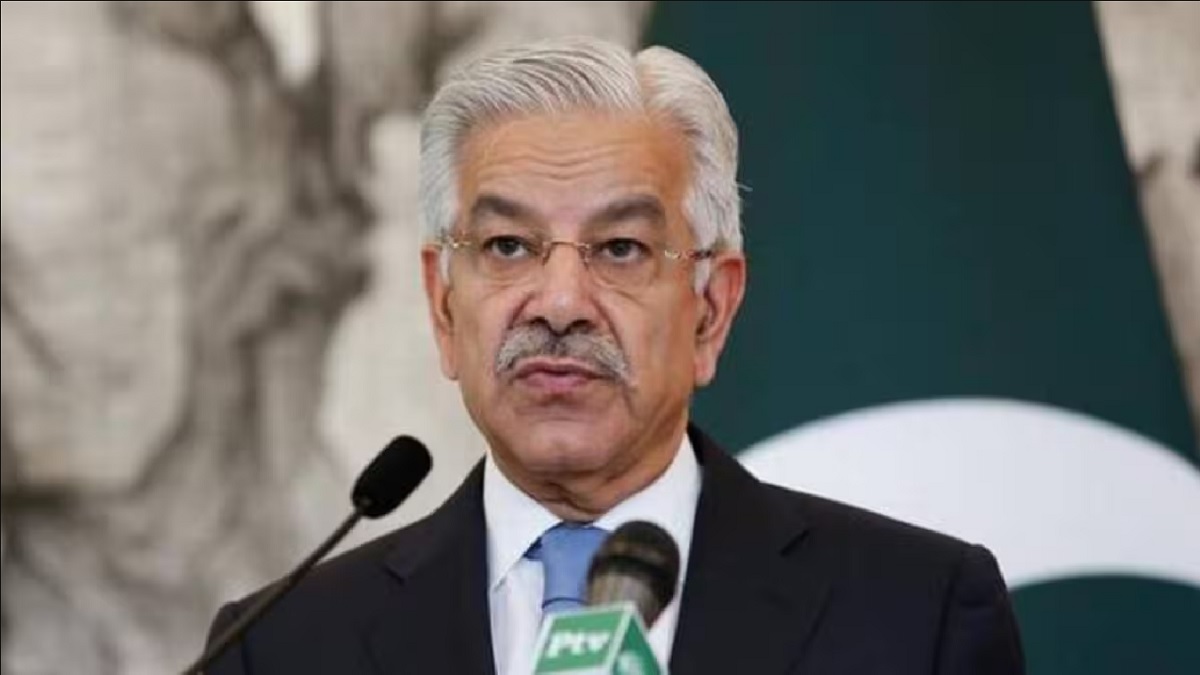
Domestic Political Sensitivities
The issue of recognizing Israel remains politically sensitive in Pakistan. Religious organizations, opposition parties, and sections of civil society have historically opposed normalization efforts, arguing that support for Palestinians is a core element of Pakistan’s foreign policy identity.
Public debate over the matter occasionally resurfaces whenever reports emerge suggesting foreign pressure or secret diplomatic contacts. However, successive Pakistani governments — civilian and military alike — have maintained the official stance of non-recognition.
Khawaja Asif’s comments are therefore being viewed as a clear reaffirmation of continuity in policy rather than a shift in diplomatic direction.
Regional Implications
The rejection also highlights the broader challenges facing international efforts to reshape alliances in the Middle East and South Asia. While some countries have embraced new diplomatic alignments with Israel, others continue to prioritize traditional political positions and regional relationships.
Experts note that Pakistan’s geographic position, nuclear status, and influence within the Muslim world make its foreign policy decisions particularly significant in wider geopolitical calculations.
The latest developments indicate that Islamabad is likely to continue pursuing a cautious and balanced diplomatic approach, especially at a time when tensions across West Asia remain high and international powers are seeking new pathways for regional stability.