
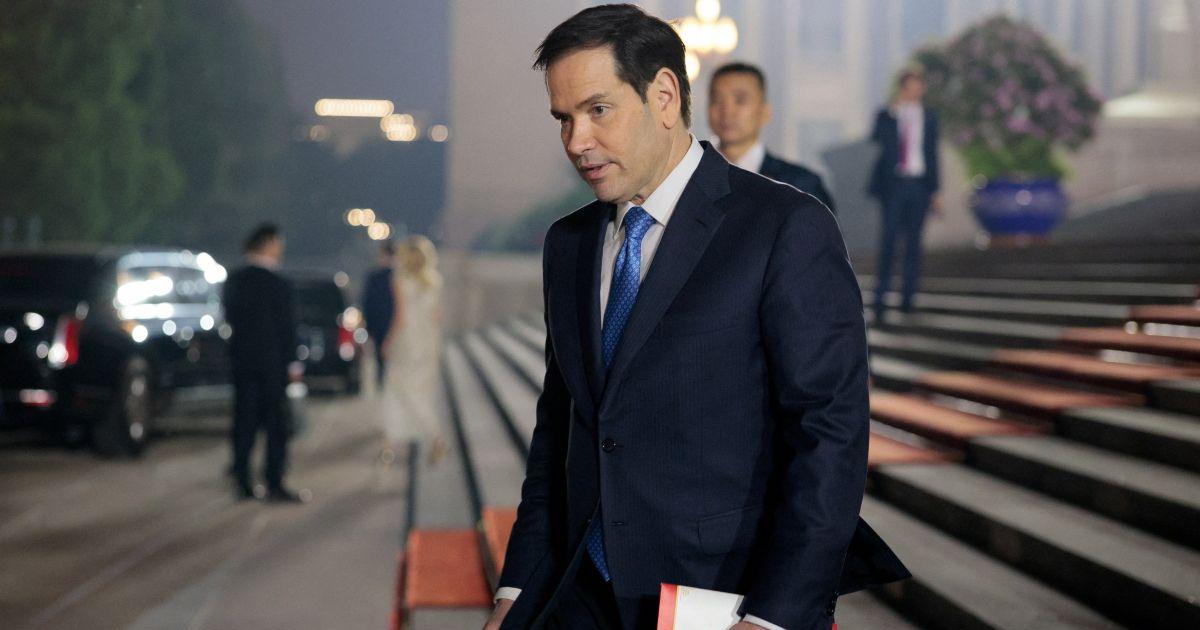
The foreign ministers of the Quad grouping are expected to convene in New Delhi for a high-level strategic meeting aimed at deepening cooperation across the Indo-Pacific region. The gathering is being viewed as a significant diplomatic development as the four-member alliance — India, the United States, Japan, and Australia — intensifies coordination on regional security, economic resilience, technology partnerships, and maritime stability.
The upcoming meeting is likely to feature extensive discussions on geopolitical challenges in the Indo-Pacific, including maritime security concerns, supply chain diversification, cybersecurity threats, and emerging technological collaboration. Diplomatic sources indicate that the visit of senior American leadership, including US Secretary of State Marco Rubio, is expected to underline Washington’s continuing commitment to strengthening ties with India and enhancing Quad cooperation.
Strategic Importance of the Quad Meeting
The Quad has steadily evolved from an informal strategic dialogue into one of the most influential diplomatic platforms in the Indo-Pacific region. Initially focused on humanitarian coordination and disaster response, the grouping now addresses a broad range of regional and global concerns.
The New Delhi meeting comes at a time of increasing geopolitical competition in Asia, with member nations seeking to maintain a free, open, and inclusive Indo-Pacific framework. Analysts believe the discussions will focus heavily on safeguarding maritime trade routes, ensuring regional stability, and countering aggressive strategic behavior in contested waters.
India’s role within the Quad has grown significantly in recent years, particularly as New Delhi strengthens defense and economic partnerships with like-minded democracies. Hosting the foreign ministers’ meeting reinforces India’s importance as a central pillar in Indo-Pacific diplomacy. 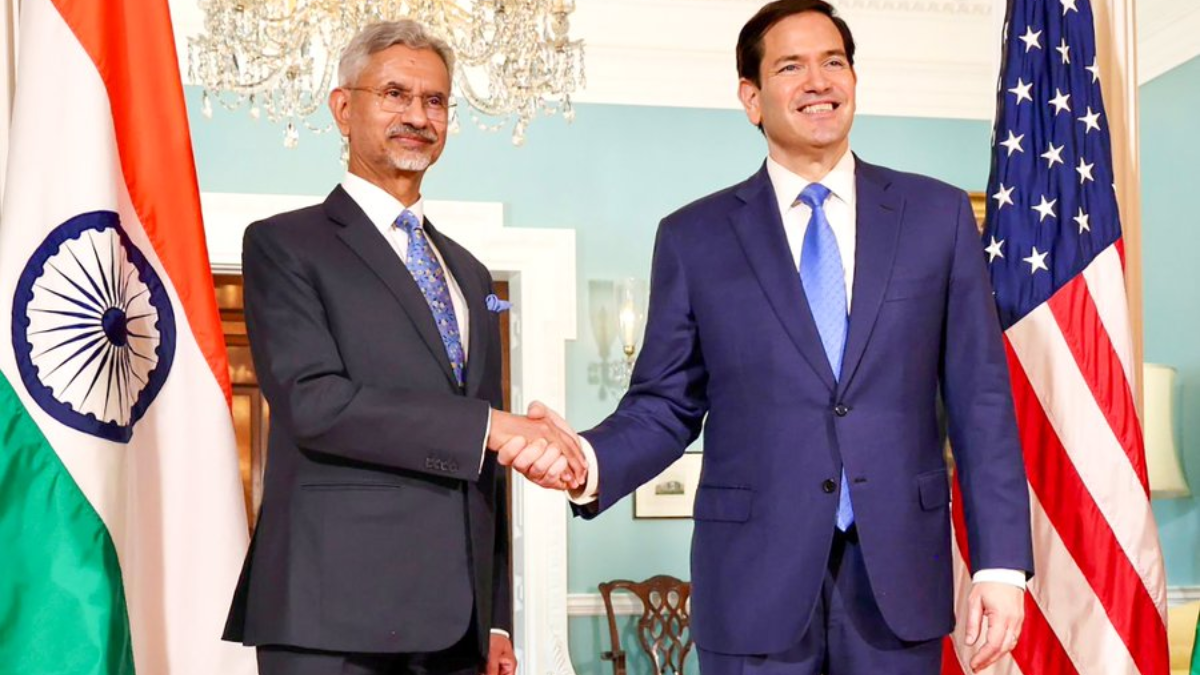
Focus on Security and Maritime Cooperation
One of the primary agendas of the meeting is expected to be maritime cooperation. The Quad nations have repeatedly emphasized the importance of freedom of navigation and adherence to international law in regional waters.
Security experts suggest the ministers may discuss expanding joint naval exercises, enhancing intelligence sharing mechanisms, and improving coordination on maritime domain awareness. The issue of protecting critical sea lanes and addressing regional tensions is likely to remain central to the dialogue.
The four countries are also expected to review progress on defense partnerships and collaborative security initiatives launched during previous Quad engagements.
Economic and Technology Partnerships
Apart from security concerns, economic resilience and technological cooperation are anticipated to dominate discussions. Quad nations have increasingly focused on reducing dependence on vulnerable supply chains while promoting trusted technology ecosystems.
The ministers may deliberate on semiconductor partnerships, critical mineral supply chains, clean energy initiatives, and digital infrastructure development. Collaboration in artificial intelligence, cybersecurity, telecommunications, and emerging technologies is also expected to receive considerable attention.
India has been actively positioning itself as a major technology and manufacturing hub, making these discussions particularly relevant for future investment and innovation partnerships. 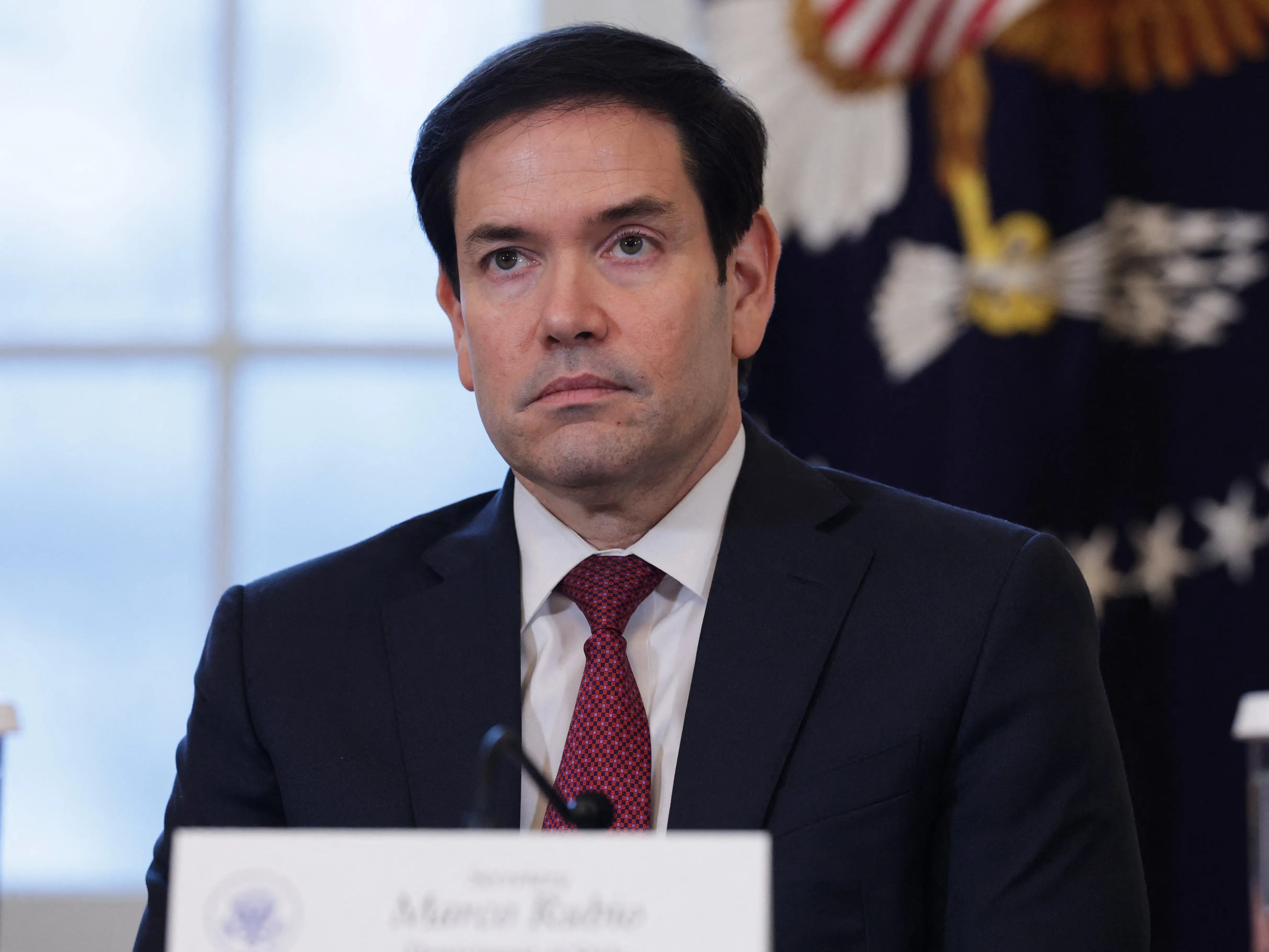)
Growing India-US Strategic Relations
The anticipated participation of Marco Rubio highlights the expanding strategic alignment between India and the United States. Bilateral ties between the two nations have strengthened across defense, trade, energy, and technology sectors over the past decade.
Diplomatic observers believe the visit will provide an opportunity for both sides to discuss broader regional developments, including evolving security challenges in Asia and cooperation on global governance issues.
India and the United States have increasingly collaborated through defense agreements, military exercises, and technology-sharing initiatives. The Quad framework has become one of the key pillars supporting this growing partnership.
Regional and Global Implications
The Quad meeting is expected to send a strong diplomatic message regarding the collective commitment of its members to maintaining stability and rules-based order in the Indo-Pacific region.
International observers are closely monitoring the grouping’s evolving agenda, especially as strategic competition intensifies globally. The meeting may also address humanitarian assistance, disaster resilience, climate cooperation, and healthcare preparedness — areas that have become increasingly important within the Quad framework.
The New Delhi discussions are expected to pave the way for future high-level engagements and potentially set the stage for broader strategic initiatives in the coming months.
As geopolitical dynamics continue to shift, the Quad’s expanding role reflects the growing importance of multilateral partnerships in addressing complex regional and global challenges.