
Armed assailants carried out two separate mass shootings in Honduras on Thursday, leaving at least 25 people dead and several others injured in one of the deadliest outbreaks of violence in the country this year. Authorities have launched large-scale investigations into both incidents as security forces attempt to identify the attackers and determine whether the killings were linked to organized crime networks operating in the region.
The attacks occurred in different parts of Honduras within hours of each other, triggering fear and outrage across the Central American nation, which has long struggled with gang violence, drug trafficking, and organized criminal activity.
According to preliminary reports from local authorities, heavily armed gunmen stormed crowded locations and opened indiscriminate fire on civilians. Emergency responders rushed to both scenes as survivors described moments of chaos, panic, and confusion while victims attempted to flee the gunfire.
Officials confirmed that the combined death toll from the two attacks had risen to at least 25, while multiple injured victims remained hospitalized in critical condition. Security agencies stated that forensic teams were collecting evidence, reviewing witness statements, and examining possible motives behind the coordinated acts of violence.
In the first incident, attackers reportedly targeted a gathering where several people were present, firing repeatedly before escaping the scene. Witnesses said the assault lasted only a few minutes but caused devastating casualties. Ambulances and police units arrived shortly afterward, sealing off the area and transporting victims to nearby hospitals. 
Hours later, a second deadly shooting unfolded in another region of the country. Gunmen again opened fire in a public area, leaving numerous people dead at the scene. Residents described hearing continuous bursts of gunfire that sent communities into lockdown as terrified civilians sought shelter.
Authorities have not yet confirmed whether the two massacres were directly connected. However, investigators are examining potential links to gang rivalries, territorial disputes, extortion networks, or narcotics trafficking operations that remain widespread across Honduras.
The Honduran government has intensified security operations in recent years to combat criminal organizations accused of fueling violence across the country. Despite ongoing crackdowns and emergency measures, armed gangs continue to exert influence in several urban and rural regions.
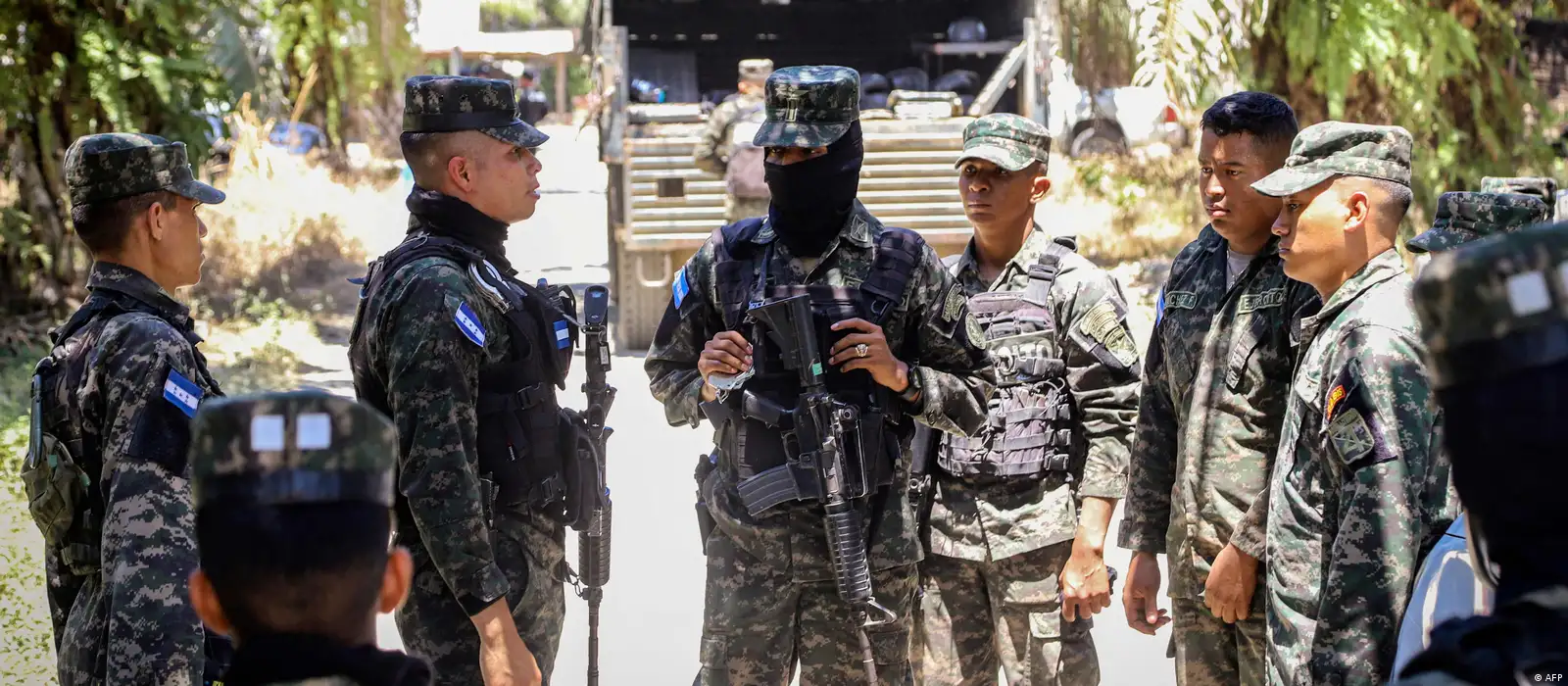
Police officials said special investigative units and military personnel had been deployed following the attacks. Roadblocks and patrols were increased in surrounding areas as security forces searched for suspects believed to have fled shortly after the shootings.
Human rights organizations and community leaders condemned the attacks, calling for stronger protection measures and more effective law enforcement strategies to prevent recurring mass killings. Citizens expressed growing concern over public safety and the ability of criminal groups to carry out large-scale attacks with apparent ease.
Violence linked to organized crime remains a major challenge for Honduras, which has historically recorded some of the highest homicide rates in Latin America. Experts say drug trafficking routes, gang conflicts, illegal arms circulation, and weak institutional control continue to contribute to instability in parts of the country.
Government officials vowed that those responsible for the attacks would be identified and prosecuted. Investigators are expected to review surveillance footage, ballistic evidence, and intelligence reports in the coming days as authorities attempt to establish a clearer timeline of events.
The killings have once again drawn attention to the deep-rooted security crisis affecting Honduras and the broader Central American region, where criminal violence continues to threaten civilian lives and strain law enforcement resources.