

The second solar eclipse, or Surya Grahan, of 2026 is expected to draw significant attention among astronomy enthusiasts, astrologers, and devotees alike. Solar eclipses hold both scientific and religious importance in India, where millions observe traditional rituals, fasting practices, and temple restrictions during the celestial event. The upcoming eclipse in 2026 is being closely watched because of its timing, visibility, and associated spiritual beliefs.
A solar eclipse occurs when the Moon passes between the Earth and the Sun, partially or completely blocking sunlight for a brief period. Depending on the alignment, the eclipse can be partial, total, or annular. The second solar eclipse of 2026 is expected to be visible in several regions across the world, while its impact and observance in India will depend on local visibility conditions.
Date of the Second Solar Eclipse in 2026
According to astronomical calculations, the second Surya Grahan of 2026 will occur on August 12, 2026. The eclipse is anticipated to be one of the key celestial events of the year and is expected to generate widespread public interest globally.
The exact timing of the eclipse may vary depending on geographical location. Different countries and regions will witness varying phases of the eclipse, including partial or maximum visibility. 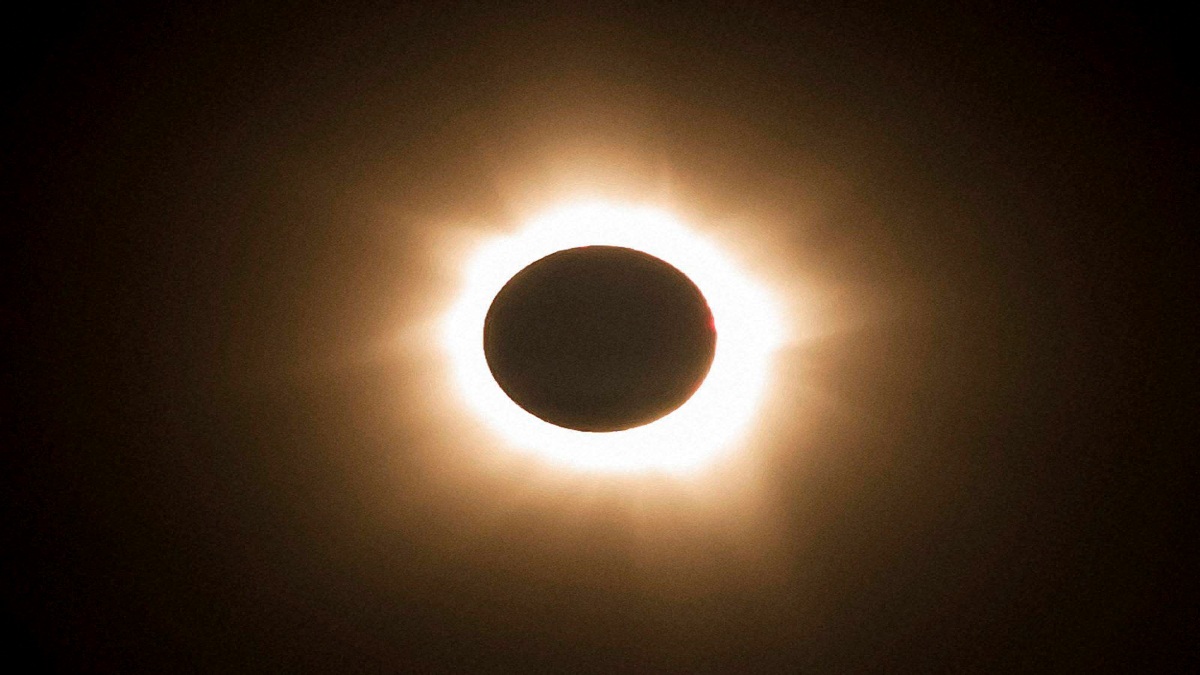
What is Sutak Kaal?
In Hindu traditions, the Sutak Kaal is considered an inauspicious period associated with eclipses. It generally begins several hours before the actual eclipse starts and ends after the celestial event concludes. During this time, many devotees avoid auspicious activities, cooking, temple visits, and consumption of food.
For a solar eclipse, Sutak Kaal traditionally begins 12 hours before the eclipse. Religious followers often chant prayers, meditate, or engage in spiritual practices during this period. Temples in many regions may remain closed until the eclipse ends and purification rituals are completed.
However, religious scholars note that Sutak Kaal is observed only in places where the eclipse is visible. If the eclipse is not visible in a particular region, some traditions may not consider Sutak applicable there.
Religious Significance of Surya Grahan
Solar eclipses occupy an important place in Hindu mythology and spiritual beliefs. Many people consider the period spiritually sensitive and follow rituals intended to maintain purity and positivity. Bathing in holy rivers, chanting mantras, donating food or clothes, and performing prayers after the eclipse are commonly observed customs.
Pregnant women are traditionally advised to take extra precautions during the eclipse period according to cultural beliefs. While there is no scientific evidence supporting many of these practices, they continue to be followed in several households as part of longstanding traditions. 
Scientific Importance of Solar Eclipses
Beyond religious beliefs, solar eclipses are also major astronomical events. Scientists and researchers use eclipses to study the Sun’s corona, atmospheric conditions, and other solar phenomena that are difficult to observe during normal daylight conditions.
Astronomy enthusiasts often travel to locations with maximum visibility to witness the event using protective solar viewing equipment. Experts repeatedly warn against looking directly at the Sun during an eclipse without certified eye protection, as it can cause permanent eye damage.
Visibility and Viewing Precautions
The visibility of the August 12, 2026 solar eclipse will depend on regional geographical conditions. Some parts of the world may experience partial visibility, while others could witness a more dramatic eclipse phase.
Experts advise viewers to use approved eclipse glasses, solar filters, or indirect viewing methods. Ordinary sunglasses are not safe for eclipse viewing. Public observatories and astronomy organizations are also expected to organize special observation events for enthusiasts.
Cultural and Public Interest Around the Eclipse
In India, eclipses often attract a blend of scientific curiosity and religious devotion. Television broadcasts, online discussions, and temple advisories generally increase as the eclipse date approaches. Schools, observatories, and science institutions may also conduct awareness programs explaining the phenomenon and safe viewing practices.
As the second Surya Grahan of 2026 approaches, interest in eclipse-related rituals, astrology predictions, and scientific observations is likely to intensify. Whether viewed through a spiritual or scientific lens, the celestial event is expected to remain one of the most talked-about astronomical occurrences of the year.