
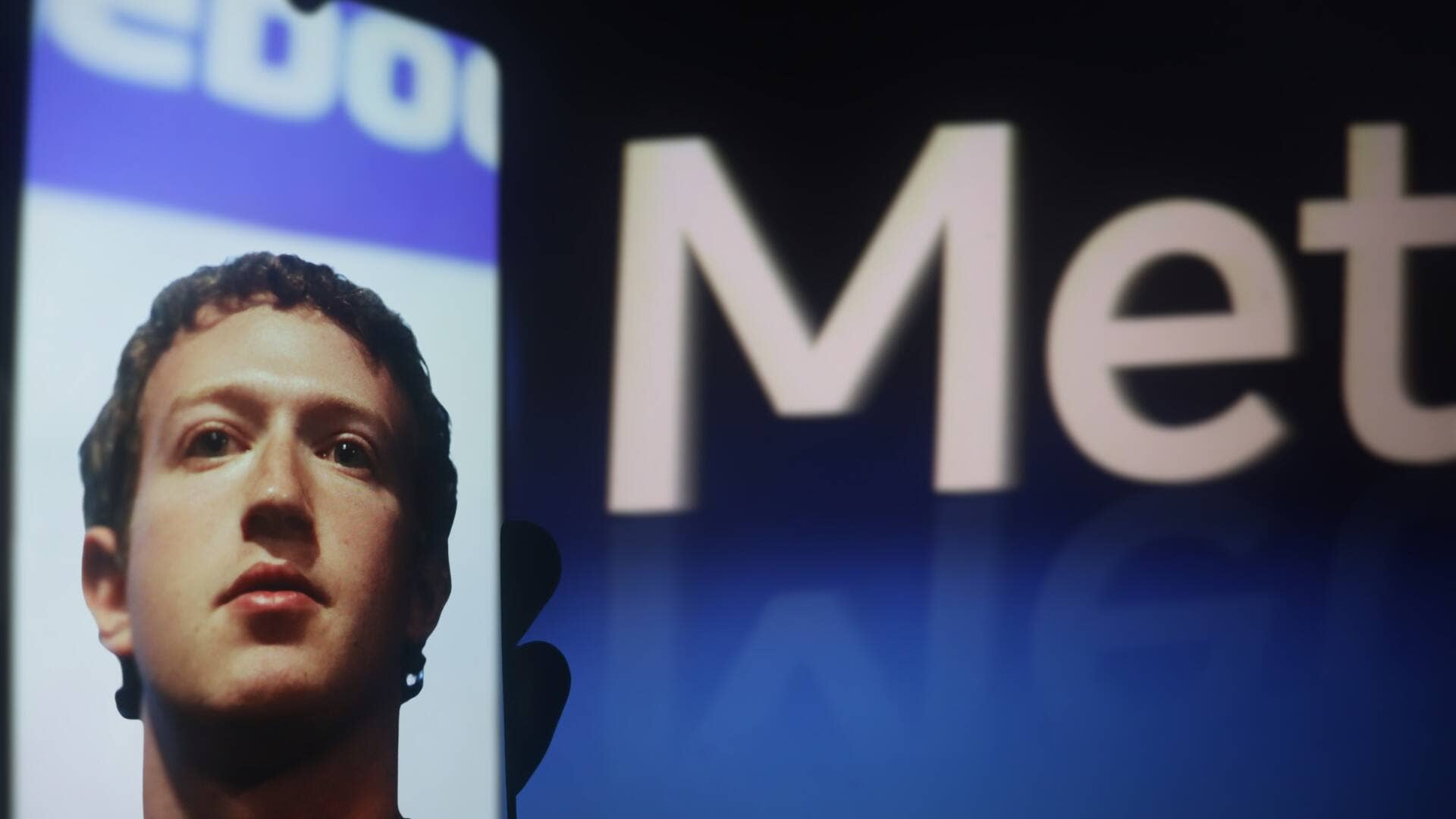
Fresh controversy has erupted around Mark Zuckerberg and Meta after a purported leaked internal audio recording suggested that the tech giant may have been monitoring employee computer activity to improve its artificial intelligence systems. The incident has triggered widespread debate over workplace surveillance, employee privacy, and the growing influence of AI-driven automation inside major technology companies.
According to reports circulating online, the audio clip allegedly captures Zuckerberg discussing how Meta’s internal monitoring systems were being used to observe employee interactions with workplace devices. The reported purpose of the tracking was to help train AI models capable of learning from real human workflows and decision-making patterns.
The leaked recording quickly spread across social media platforms, intensifying concerns about how large technology firms are collecting and using employee-generated data during the global race to develop more advanced AI systems. Although the authenticity of the clip has not been officially verified, the controversy has already fueled criticism from privacy advocates, labor groups, and technology analysts.
Reports indicate that the monitoring system allegedly tracked mouse movements, clicks, keystrokes, and possibly screen activity on employee devices. Critics argue that such practices blur the line between productivity monitoring and invasive surveillance, particularly when the collected data may contribute to AI tools that could eventually automate portions of human work.
The controversy comes at a time when Meta is undergoing major restructuring focused heavily on artificial intelligence. The company has reportedly redirected significant investments toward AI infrastructure, large language models, and next-generation automation technologies as competition intensifies among leading tech firms. 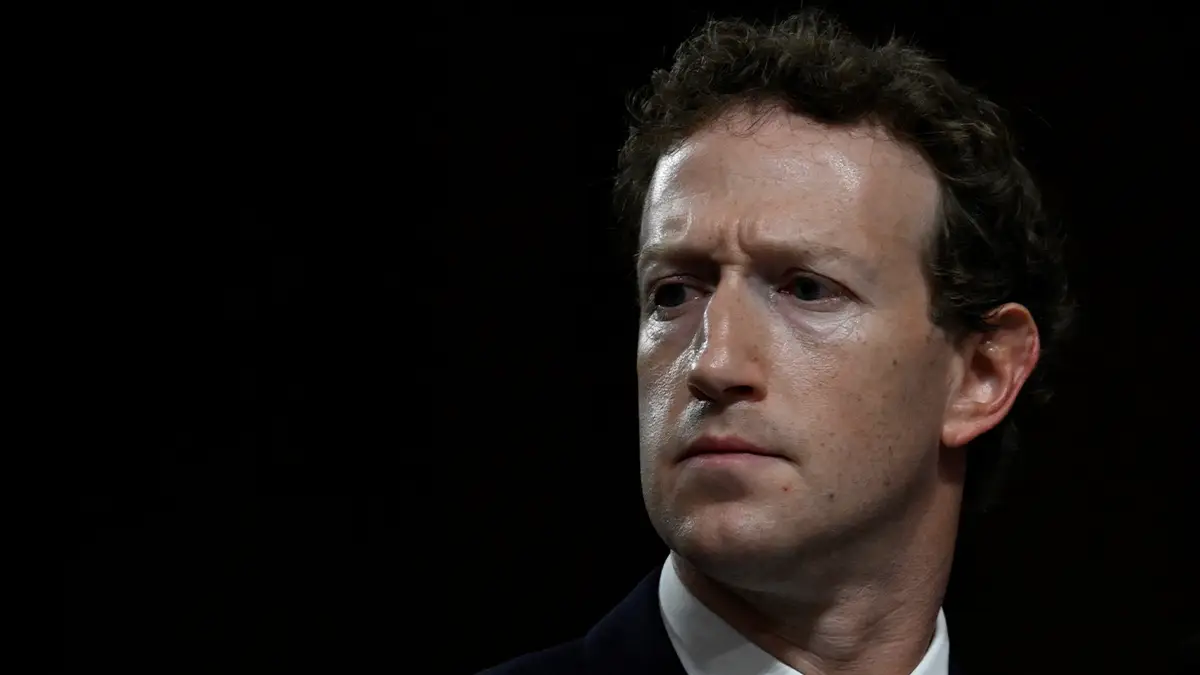
Recent reports have also pointed to declining employee morale within Meta amid layoffs, internal restructuring, and increasing pressure to accelerate AI development. Some employees reportedly expressed discomfort over workplace monitoring systems, particularly because the technology appeared linked to AI training initiatives.
The leaked audio has reignited broader concerns surrounding ethical AI development and corporate accountability. Technology experts warn that AI systems trained on employee behavior may raise significant legal and ethical questions related to consent, transparency, and labor rights. Concerns are also emerging over whether workers were adequately informed about how their digital activity could be used inside AI development programs.
Labor advocates argue that surveillance technologies in workplaces are becoming increasingly sophisticated, especially as corporations seek to automate routine processes. The possibility that employee behavior could be transformed into training material for AI systems has intensified fears about job displacement and reduced worker autonomy.
The controversy has further highlighted growing tensions across the global tech industry, where companies are aggressively investing billions into AI capabilities while simultaneously restructuring their workforce. Analysts say the situation reflects a larger shift within Silicon Valley, where AI is increasingly viewed not only as a productivity tool but also as a long-term replacement for certain human-driven tasks.
Despite mounting criticism, Meta has not publicly issued a detailed clarification regarding the specific allegations contained in the leaked audio. However, the incident has already fueled online discussions about digital privacy, workplace ethics, and the responsibilities of technology companies developing advanced AI systems.
As artificial intelligence becomes more deeply integrated into corporate operations, experts believe regulatory scrutiny around employee data collection and AI training practices is likely to intensify in the coming years. Governments and labor organizations across several countries are already examining how workplace surveillance technologies intersect with emerging AI laws and employee protection frameworks.
The controversy surrounding the alleged Meta audio leak now stands as another major flashpoint in the ongoing global debate over AI ethics, corporate transparency, and the future relationship between humans and intelligent machines.