

Canadian health authorities have confirmed the country’s first case of hantavirus linked to an ongoing international outbreak aboard the expedition cruise ship MV Hondius, raising concerns among public health agencies monitoring the spread of the rare but potentially deadly virus.
The confirmed patient is a Canadian resident from Yukon who recently returned from the Antarctic expedition cruise and is currently in isolation in British Columbia. Officials stated that the case was verified through laboratory testing conducted by Canada’s National Microbiology Laboratory in Winnipeg after the individual initially showed mild symptoms, including fever and headache.
Health officials emphasized that the overall risk to the wider public remains low, though the development has intensified international efforts to trace passengers and monitor potential exposures connected to the vessel. The MV Hondius outbreak has already been associated with multiple confirmed infections and several deaths among passengers from different countries.
According to Canadian authorities, four Canadians connected to the cruise were placed under isolation and observation following their return. The infected passenger and their partner were hospitalized in Victoria, British Columbia, for medical evaluation and testing. While the partner tested negative, authorities said monitoring and precautionary measures remain in place.
The outbreak has drawn international attention because the identified strain is the Andes virus, a rare form of hantavirus primarily found in South America. Unlike most hantavirus strains, Andes virus has shown limited human-to-human transmission capability in rare circumstances involving prolonged close contact. 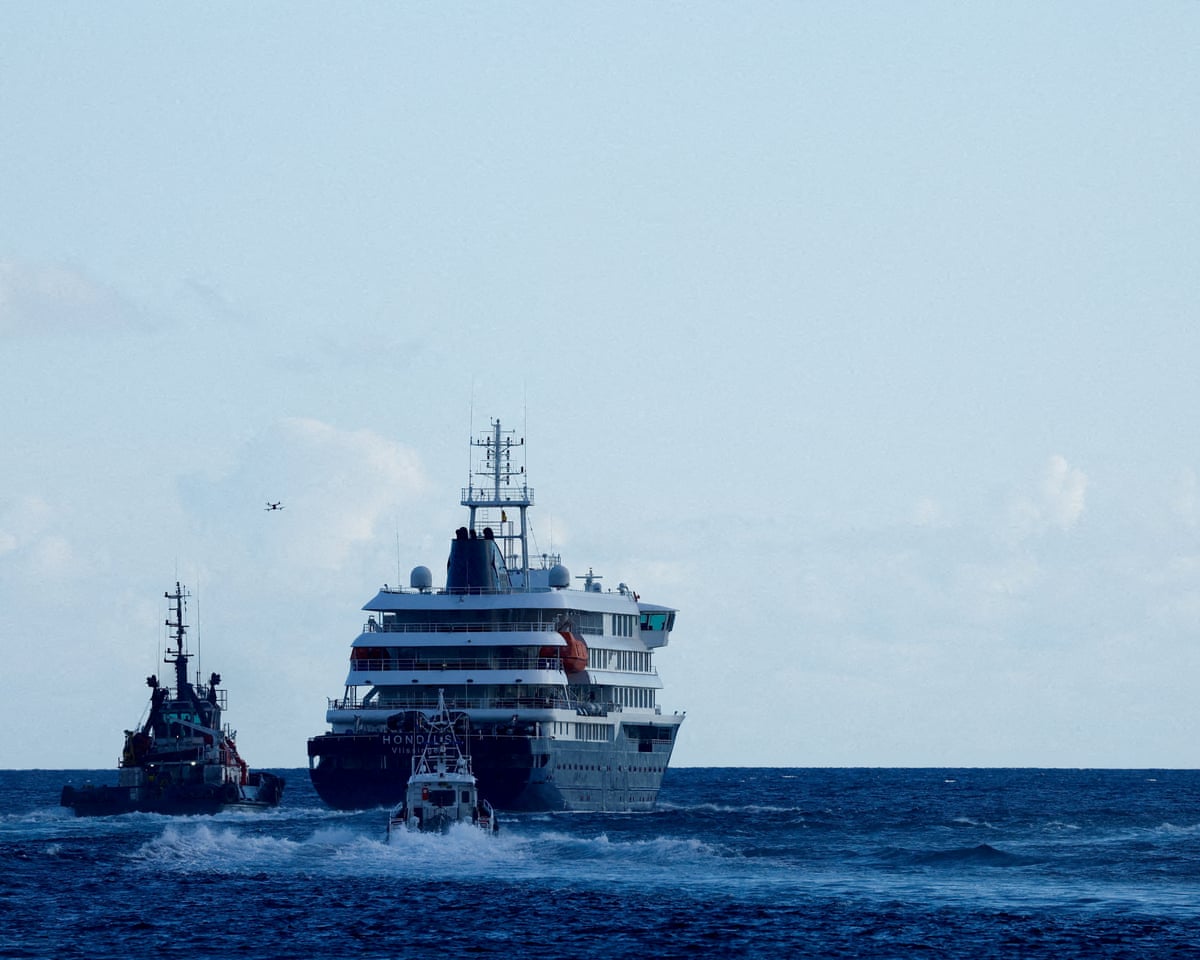
The World Health Organization has been coordinating with multiple countries as passengers dispersed internationally after disembarking from the cruise ship. Investigators are attempting to determine the exact source of exposure while conducting contact tracing across several nations.
The MV Hondius departed from Argentina in early April on a polar expedition route that included remote regions near Antarctica and South Georgia. During the voyage, several passengers reportedly developed severe respiratory symptoms. At least three deaths have been linked to the outbreak so far.
Canadian public health officials stated that all individuals identified as high-risk contacts are being closely monitored. Additional passengers and airline travelers who may have come into contact with infected individuals are also under observation in multiple provinces.
Authorities have sought to reassure the public that hantavirus does not possess the same pandemic potential as highly transmissible respiratory viruses such as COVID-19. Experts note that transmission typically occurs through exposure to infected rodent urine, droppings, or saliva, and only rarely spreads between humans in the case of Andes virus.
Symptoms of hantavirus infection can initially resemble flu-like illness, including fever, fatigue, muscle aches, headaches, and dizziness. In severe cases, the disease can progress rapidly into hantavirus pulmonary syndrome, causing breathing difficulties and potentially fatal respiratory complications.
Canadian officials have reiterated that strict isolation measures, monitoring protocols, and international coordination are helping contain the situation. The Public Health Agency of Canada continues to work with provincial authorities and global health organizations to assess risks and prevent additional transmission.