
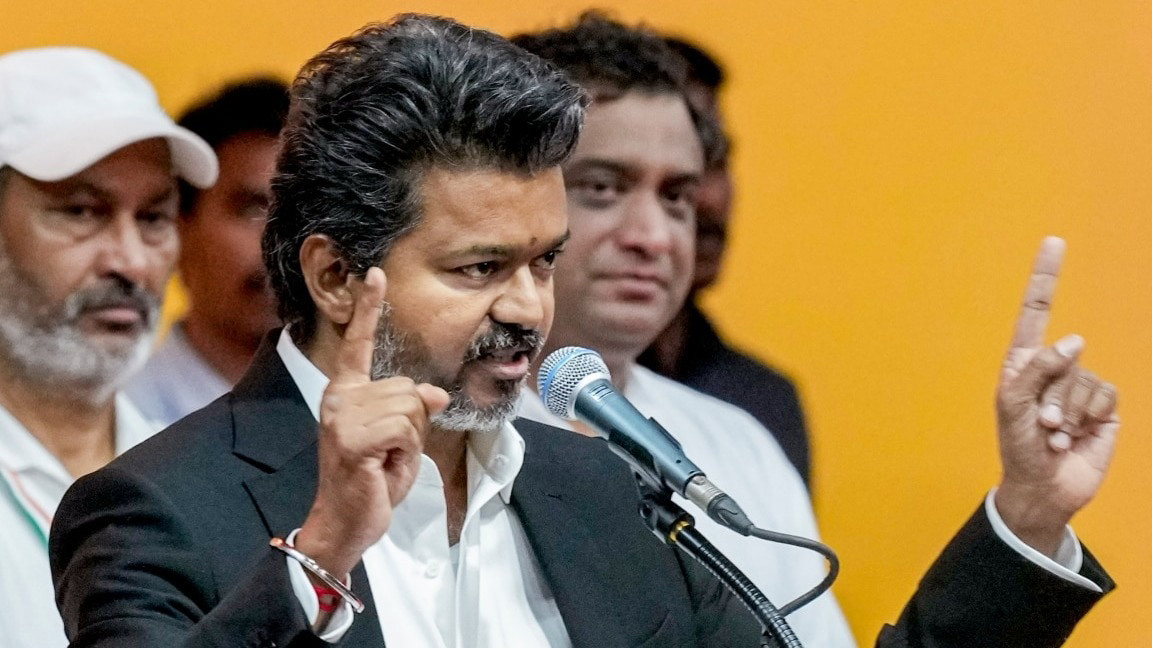
Tamil Nadu’s new political landscape under Chief Minister C. Joseph Vijay witnessed a turbulent and closely watched opening week, defined by decisive administrative actions, controversial appointments, swift policy reversals, and unexpected political realignments inside the state legislature.
From the very first day after taking oath, the Tamilaga Vettri Kazhagam (TVK) government moved with unusual speed, signalling an assertive governing style that immediately set the tone for what many observers described as a “high-voltage political thriller”.
Day One: Rapid Policy Blitz and Governance Signals
Within hours of assuming office, the chief minister cleared a series of key administrative decisions that reflected both campaign promises and governance priorities. Among the earliest directives were measures aimed at social welfare expansion and public safety restructuring.
One of the major announcements included the enhancement of free electricity benefits for eligible households, effectively doubling the existing subsidy ceiling. This move was positioned as a direct relief measure for domestic consumers amid rising utility costs.
Simultaneously, the government announced the creation of a specialised all-women security force designed to strengthen public safety mechanisms across the state. Officials described the initiative as part of a broader plan to improve gender-focused policing infrastructure.
In addition, the administration ordered the formation of multiple anti-narcotics task units across all districts. The initiative was framed as a central pillar of the government’s commitment to combating drug abuse and strengthening enforcement against illegal substance distribution networks. 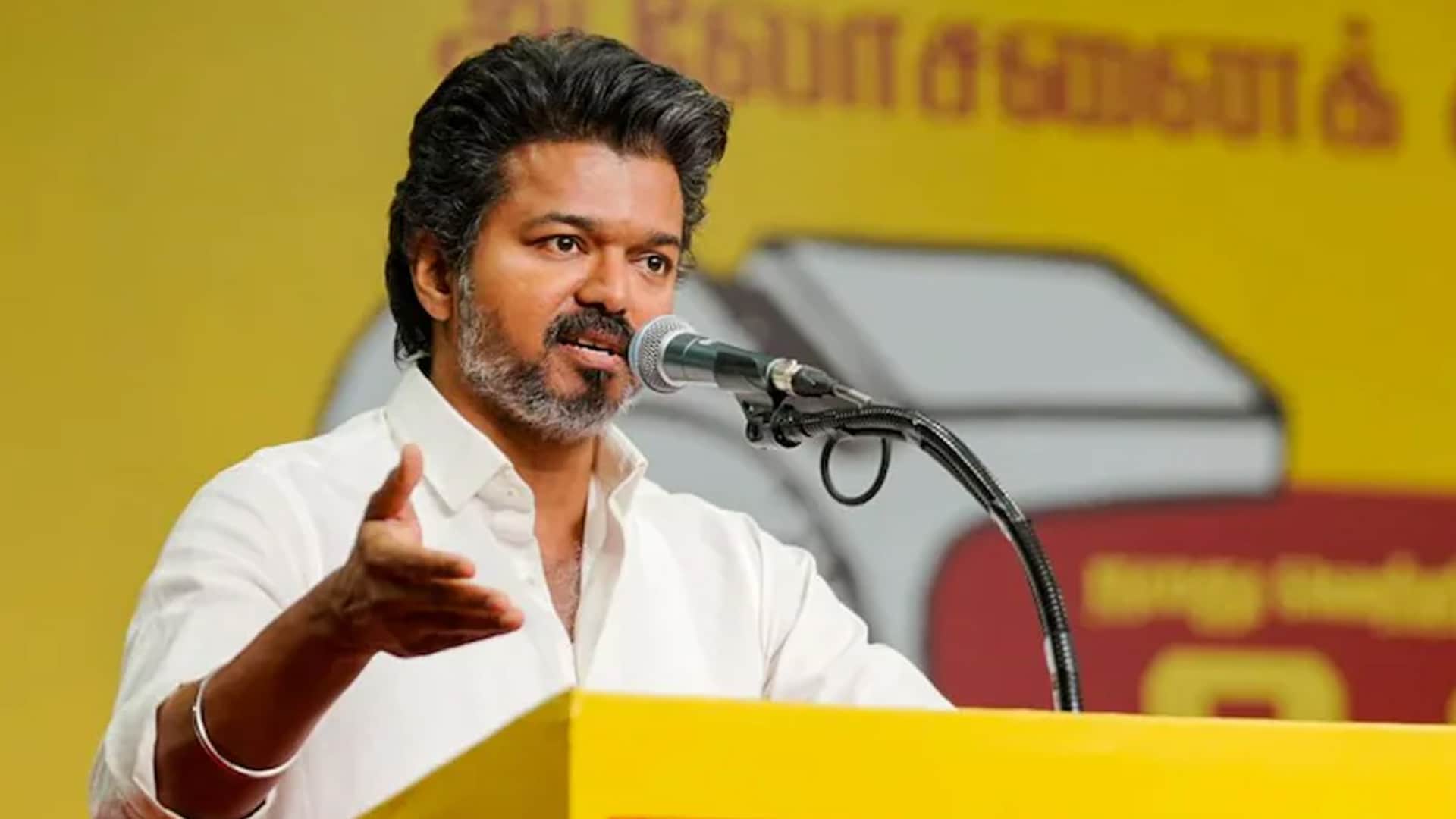
Liquor Policy Crackdown and TASMAC Restructuring Drive
One of the most significant policy directions of the first week came in the form of a strict crackdown on liquor retail operations across the state. The government initiated steps to shut down hundreds of liquor outlets operating in proximity to sensitive public zones such as educational institutions, places of worship, and transport hubs.
Authorities also reinforced compliance measures related to legal drinking age verification, mandating strict identity checks across all outlets to prevent underage access to alcohol. The move was accompanied by discussions on further reducing operating hours of liquor shops, reflecting a tightening regulatory framework.
The policy shift sparked widespread public debate. While several social and women’s organisations welcomed the restrictions as long-awaited reforms, critics raised concerns about the economic implications, given the significant revenue generated by the state-run liquor distribution system.
Controversial Appointment Sparks Political Storm
Midway through the week, the government found itself at the centre of a major controversy following the appointment of an astrologer as a political adviser in the Chief Minister’s Office. The decision triggered immediate backlash from opposition parties, rationalist groups, and civil society organisations, who questioned the rationale and transparency behind the appointment process.
Legal challenges were also initiated, arguing that the appointment violated established norms of public recruitment and constitutional principles of equality in public service.
Facing mounting pressure, the government reversed the decision within 24 hours of issuing the order. The swift withdrawal was seen as an attempt to contain political damage, though opposition parties continued to criticise the administration for what they called inconsistent decision-making.
The chief minister did not directly address the controversy in detail but made a public remark emphasising that the government would operate with speed and decisiveness in administrative matters. 
Unexpected Political Realignment During Assembly Vote
The most dramatic development of the week unfolded during a key legislative floor test, where the government secured a stronger-than-expected majority. While the ruling alliance anticipated a comfortable victory, the final tally exceeded expectations due to a significant defection within the opposition ranks.
A group of legislators from a rival party broke party discipline and voted in favour of the ruling government, citing procedural disputes within their own party leadership and expressing support for the new administration’s mandate.
This internal split triggered a political crisis within the opposition camp, leading to immediate disqualification proceedings and retaliatory accusations between rival factions. The situation further weakened the opposition’s organisational structure, already strained by long-standing internal divisions.
The ruling party’s unexpected numerical boost in the assembly strengthened its legislative position, though analysts noted that the stability of such support remained uncertain due to the fluid nature of political alignments.
Opposition Reaction and Ongoing Political Tensions
Opposition leaders strongly criticised the government’s early actions, accusing it of overreach and questioning the ideological clarity of the ruling party. They argued that the administration’s rapid decisions reflected political ambition rather than structured governance planning.
Meanwhile, ruling party representatives defended their actions, stating that the government had received a clear public mandate and was acting swiftly to fulfil electoral commitments.
A Defining First Week with High Stakes Ahead
By the end of its first week in office, the TVK government had already triggered multiple policy debates and political confrontations. From aggressive administrative reforms and strict regulatory actions to controversies and legislative surprises, the early phase of governance has set a dynamic and unpredictable tone.
Political observers note that while the government has demonstrated speed and assertiveness, the coming weeks will be critical in determining whether this momentum translates into stable governance or prolonged political volatility.