
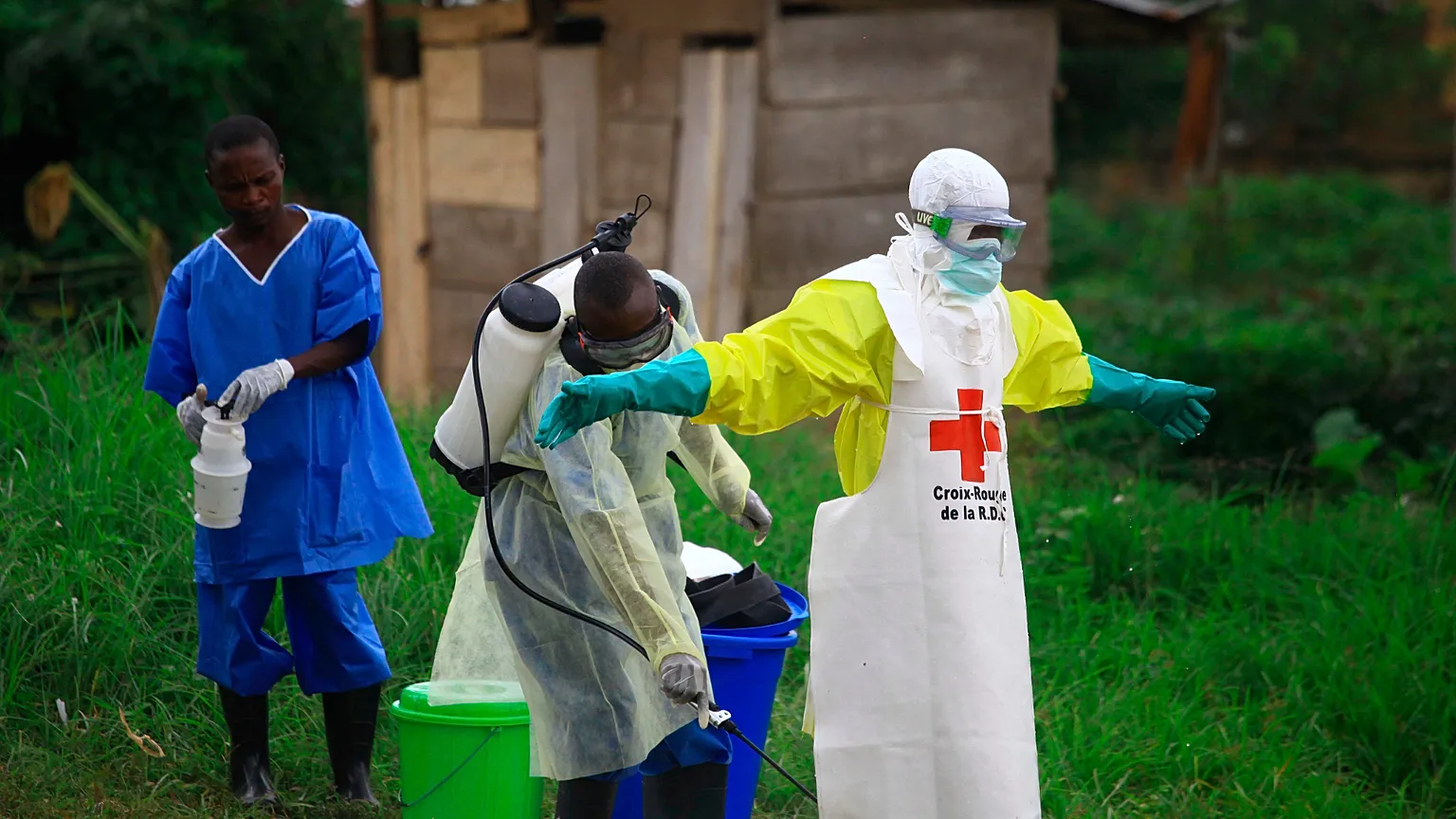
The Democratic Republic of Congo is once again confronting a major public health emergency after authorities confirmed the country’s 17th Ebola outbreak since the deadly virus was first identified there in 1976. Health officials have reported 246 suspected cases and at least 65 deaths so far, raising alarm across Central Africa as concerns grow over cross-border transmission and the possibility of a wider regional crisis.
The latest outbreak has been detected in the eastern Ituri province, a region already struggling with armed conflict, population displacement, weak healthcare systems, and poor infrastructure. Public health experts warn that these conditions could complicate containment efforts and increase the risk of the virus spreading beyond Congo’s borders.
According to African health authorities, several affected areas lie near the border with Uganda, intensifying fears of regional transmission. Reports indicate that one Ebola-related death has already been linked to a traveler from Congo who died in Uganda, prompting emergency coordination between neighboring countries and international health agencies.
Outbreak Centered in Ituri Province
The outbreak is concentrated in remote parts of Ituri province, including the Mongwalu and Rwampara health zones, while suspected cases have also emerged in Bunia, the provincial capital. Preliminary laboratory testing confirmed the presence of the Ebola virus in multiple samples collected from infected patients.
Health officials stated that only a limited number of cases have been fully laboratory-confirmed so far, but the number of suspected infections continues to rise rapidly. Surveillance teams are working to trace contacts, isolate patients, and monitor communities considered at high risk.
Authorities believe extensive movement of miners, traders, and displaced populations within eastern Congo could accelerate transmission. Insecurity caused by armed groups in the region is also hampering the ability of healthcare workers to reach affected communities quickly. 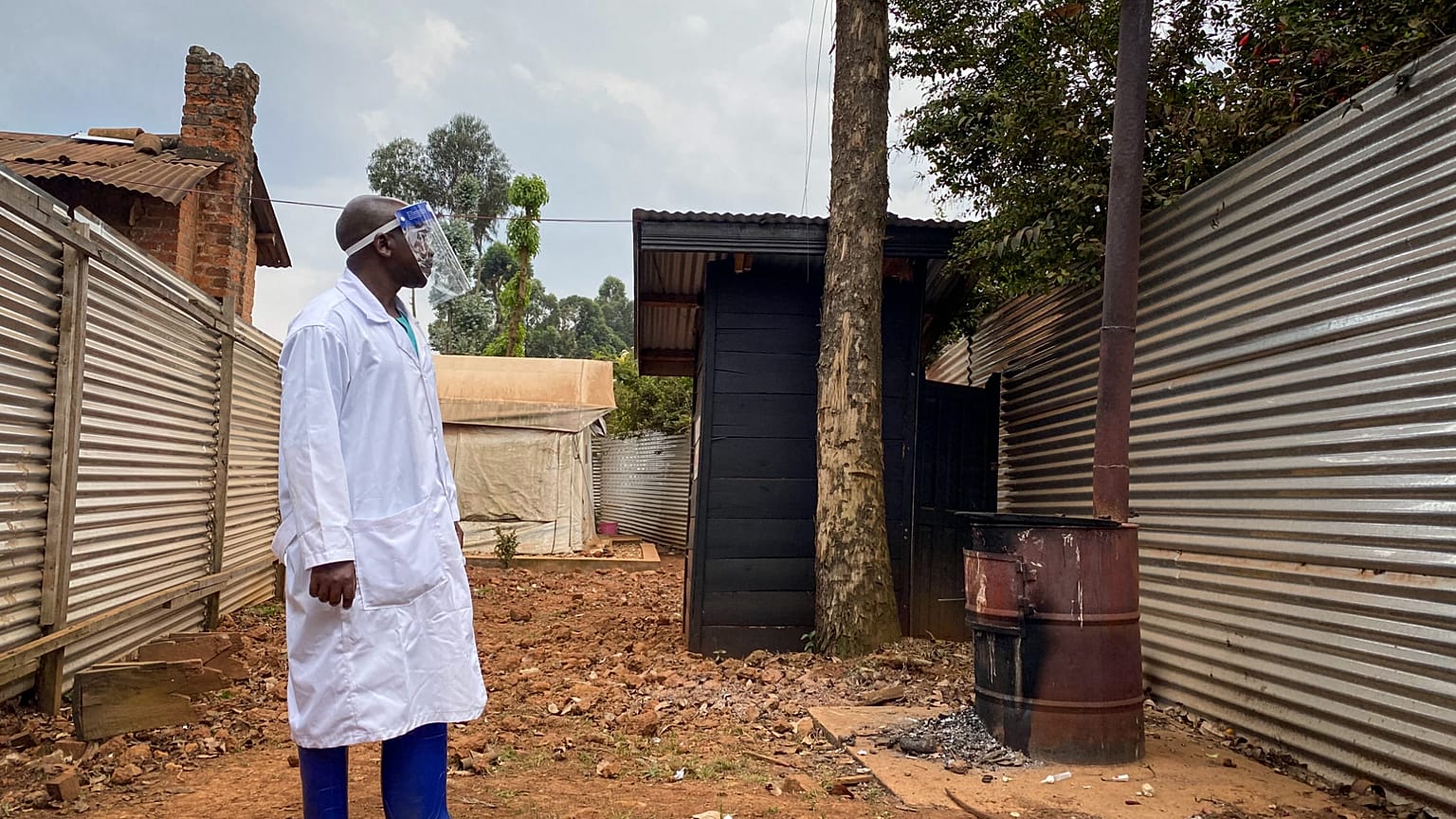
Concerns Over Possible Unusual Ebola Strain
One of the most serious concerns surrounding the outbreak is the possibility that the virus may not belong to the common Zaire strain of Ebola, for which approved vaccines and treatments already exist. Preliminary investigations suggest the outbreak could involve the Bundibugyo strain, a rarer variant of the virus.
Scientists are continuing genomic sequencing and laboratory analysis to identify the exact strain responsible. If confirmed, the discovery could complicate vaccination strategies because current Ebola vaccines were primarily developed for the Zaire variant.
Public health experts say this uncertainty may slow response operations and require additional international support to develop targeted containment measures.
Emergency Response Intensifies
In response to the growing crisis, Congo’s health authorities have activated emergency response mechanisms and deployed rapid intervention teams to affected regions. International organizations and regional health agencies are coordinating efforts to strengthen surveillance, improve laboratory testing, and support frontline healthcare workers.
Officials from Congo, Uganda, and South Sudan have also held urgent coordination meetings to improve cross-border preparedness and reduce the risk of further spread. Discussions have focused on infection prevention, community awareness campaigns, safe burials, contact tracing, and emergency resource mobilization.
The World Health Organization has reportedly allocated emergency funding to support containment operations and assist local health authorities working in the remote outbreak zones. 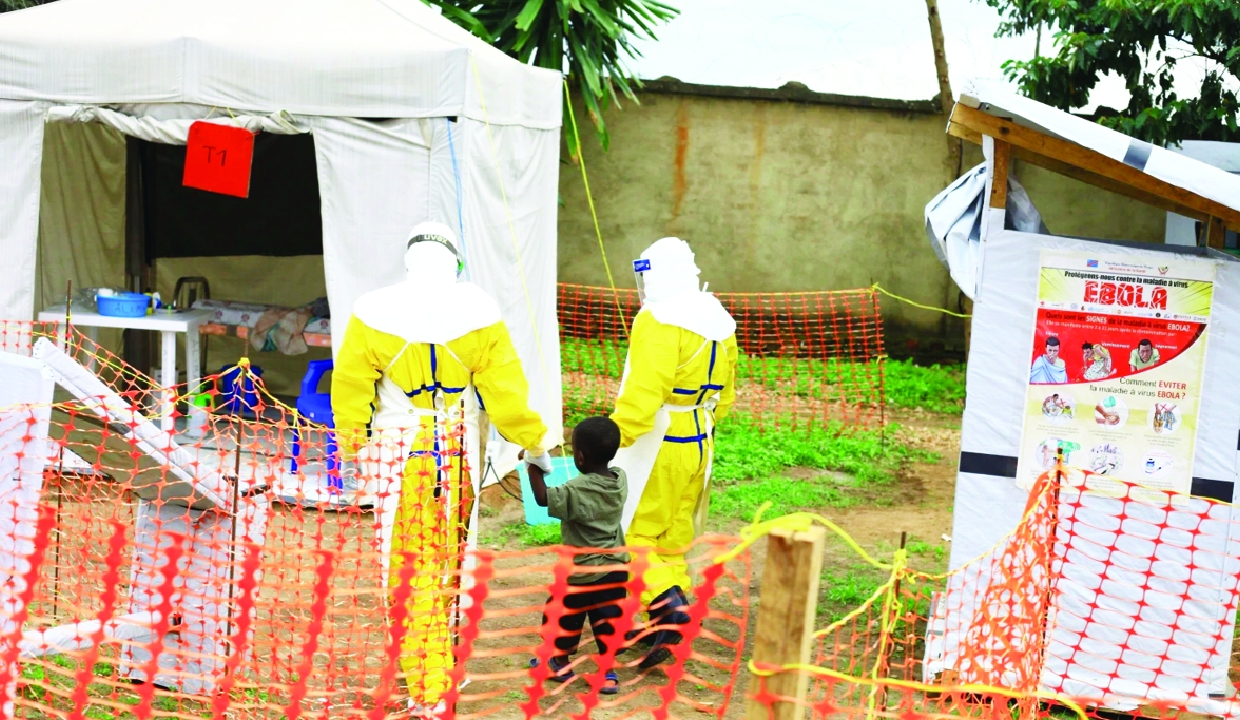
Congo’s Long History with Ebola
Congo has experienced repeated Ebola outbreaks over the past five decades, making it one of the countries most heavily affected by the disease worldwide. The virus was first identified near the Ebola River in 1976, and since then the nation has faced multiple waves of infection.
One of the deadliest outbreaks occurred between 2018 and 2020 in eastern Congo, when thousands of infections were recorded and more than 1,000 people died. The country’s healthcare system has frequently struggled to contain outbreaks due to conflict, limited infrastructure, and logistical challenges in remote regions.
Health experts warn that the current outbreak could become particularly difficult to control if insecurity in eastern Congo continues to disrupt response operations.
What Is Ebola?
Ebola virus disease is a severe and often fatal illness transmitted through direct contact with bodily fluids of infected individuals or contaminated surfaces and materials. Symptoms commonly include fever, weakness, vomiting, diarrhea, internal bleeding, and organ failure.
The disease spreads rapidly in areas with limited medical infrastructure and can become especially dangerous in conflict zones where healthcare access is restricted. Experts continue to urge residents in affected communities to report symptoms early, avoid direct contact with infected individuals, and cooperate with health authorities.
As Congo battles another deadly outbreak, regional and international health agencies remain on high alert, fearing that delays in containment could trigger a broader humanitarian and health crisis across Central Africa.