
India and the United Arab Emirates have strengthened their strategic partnership by signing crucial agreements focused on liquefied petroleum gas (LPG) supplies and strategic petroleum reserves during Prime Minister Narendra Modi’s visit to Abu Dhabi. The agreements come at a time of rising instability in global energy markets and increasing concerns over supply disruptions linked to geopolitical tensions in West Asia.
The latest energy cooperation measures are being viewed as a major step toward safeguarding India’s long-term fuel security while also expanding the UAE’s role as one of New Delhi’s most reliable energy partners. Officials familiar with the development indicated that the agreements are designed to ensure uninterrupted energy access for India, which remains one of the world’s largest importers of crude oil and natural gas.
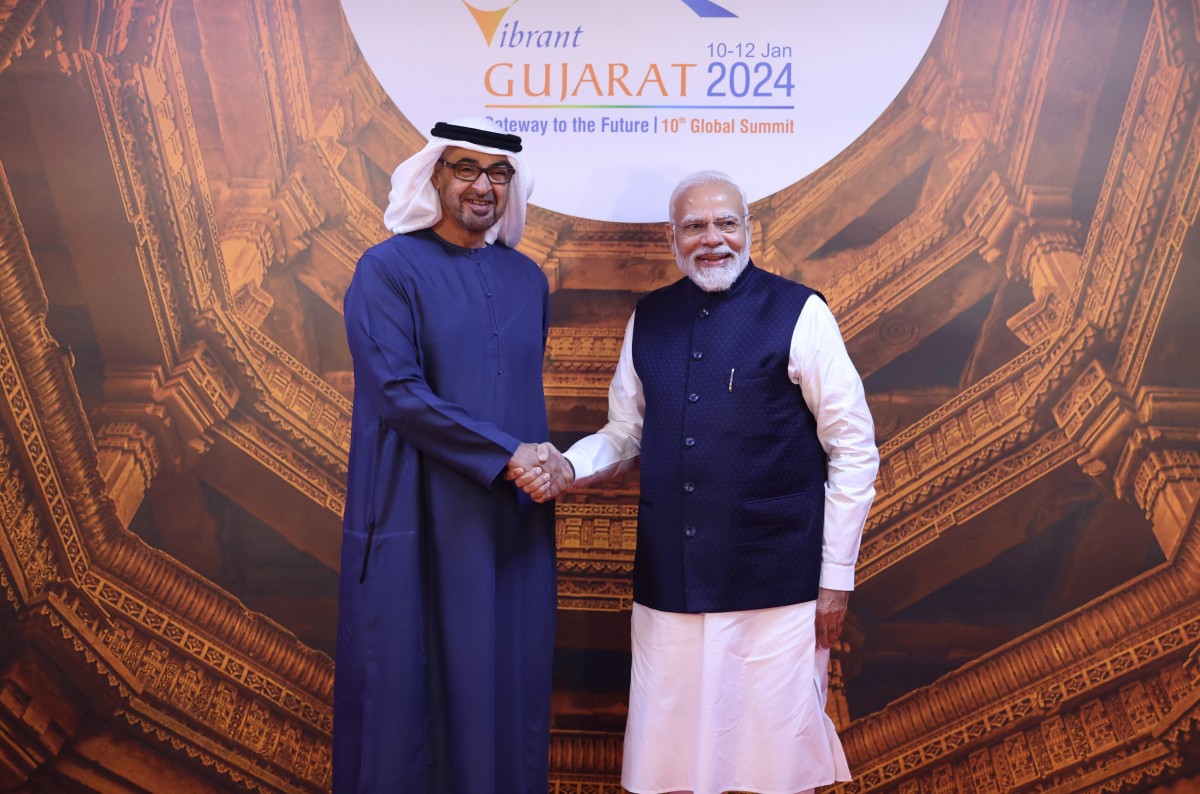
Prime Minister Modi held high-level discussions with UAE President Sheikh Mohamed bin Zayed Al Nahyan during the brief but strategically significant stopover. The talks centered on energy cooperation, bilateral investment, trade expansion, infrastructure collaboration, and regional stability.
The LPG agreement is expected to help India secure more stable and long-term supplies of cooking gas amid global market fluctuations. The UAE already plays a dominant role in India’s LPG supply chain and remains one of the country’s top suppliers of crude oil and liquefied natural gas (LNG). The new framework is expected to further strengthen supply predictability and reduce vulnerability to external shocks.
The strategic petroleum reserve pact is equally important for India’s energy planning. India has been actively expanding its petroleum reserve capacity to cushion the domestic economy against sudden spikes in crude prices or international supply disruptions. The new understanding with the UAE is expected to enhance cooperation in storage, reserve management, and long-term crude supply arrangements.
Energy security has become a major policy priority for India following volatility in global oil markets caused by conflicts in the Middle East and uncertainty surrounding key oil transit routes. Officials believe that stronger cooperation with the UAE will provide India with greater resilience during periods of international instability. 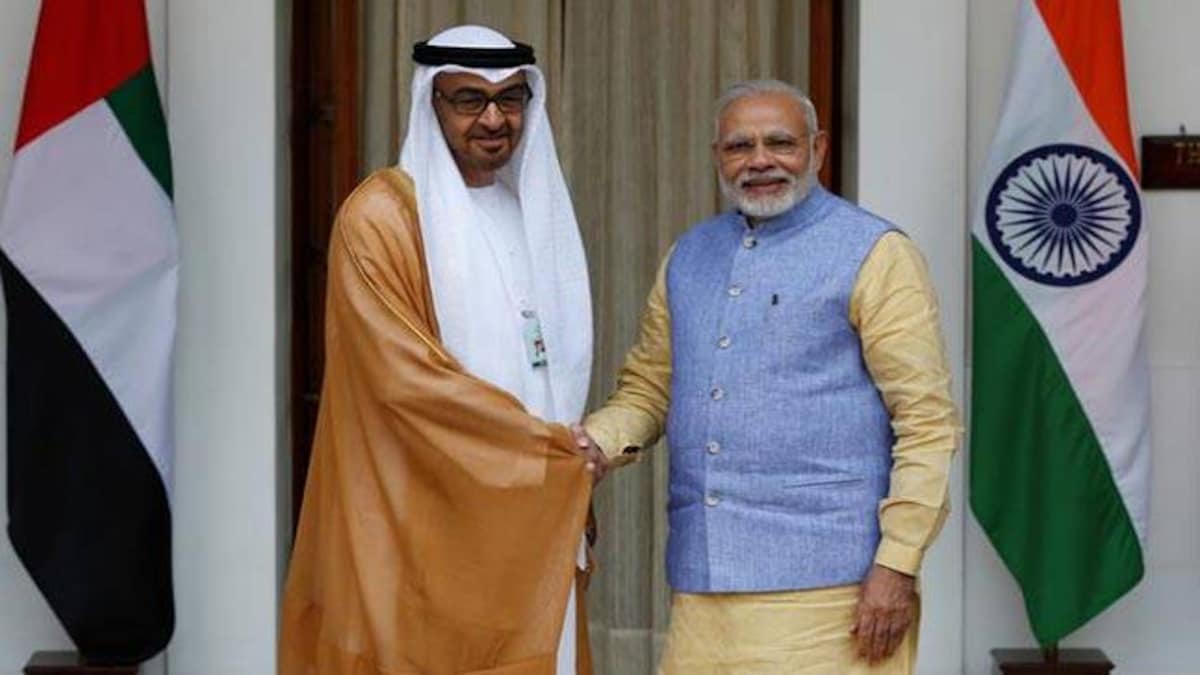
The agreements also build upon earlier collaborations between Indian energy firms and Abu Dhabi-based oil companies. Over the past several years, Indian public sector companies have increased investments in UAE energy assets, including offshore and onshore oil blocks. These projects are aimed at strengthening India’s overseas energy portfolio and securing access to long-term hydrocarbon resources.
Apart from conventional energy cooperation, India and the UAE are also accelerating partnerships in renewable energy and sustainability initiatives. Discussions during the visit reportedly included clean energy investments, green hydrogen opportunities, and possible electricity grid connectivity projects in the future.
The visit highlighted the broader transformation of India-UAE relations from a traditional trade partnership into a comprehensive strategic alliance spanning energy, defence, technology, logistics, infrastructure, and investment. Both countries have significantly expanded economic cooperation in recent years, with bilateral trade and investment witnessing consistent growth.
India’s large expatriate community in the UAE and expanding business ties continue to play an important role in deepening diplomatic and economic engagement between the two nations. Officials from both sides emphasized the importance of maintaining close cooperation amid uncertain global economic conditions and evolving geopolitical challenges.
The energy agreements signed during the visit are expected to provide India with greater confidence in managing future fuel requirements while reinforcing the UAE’s position as a critical strategic partner in the Gulf region. As energy demand continues to rise and global supply chains remain vulnerable to geopolitical tensions, the partnership is likely to gain even greater significance in the years ahead.
The visit also marked another milestone in Prime Minister Modi’s ongoing diplomatic outreach aimed at strengthening India’s economic and strategic partnerships across key global regions.