
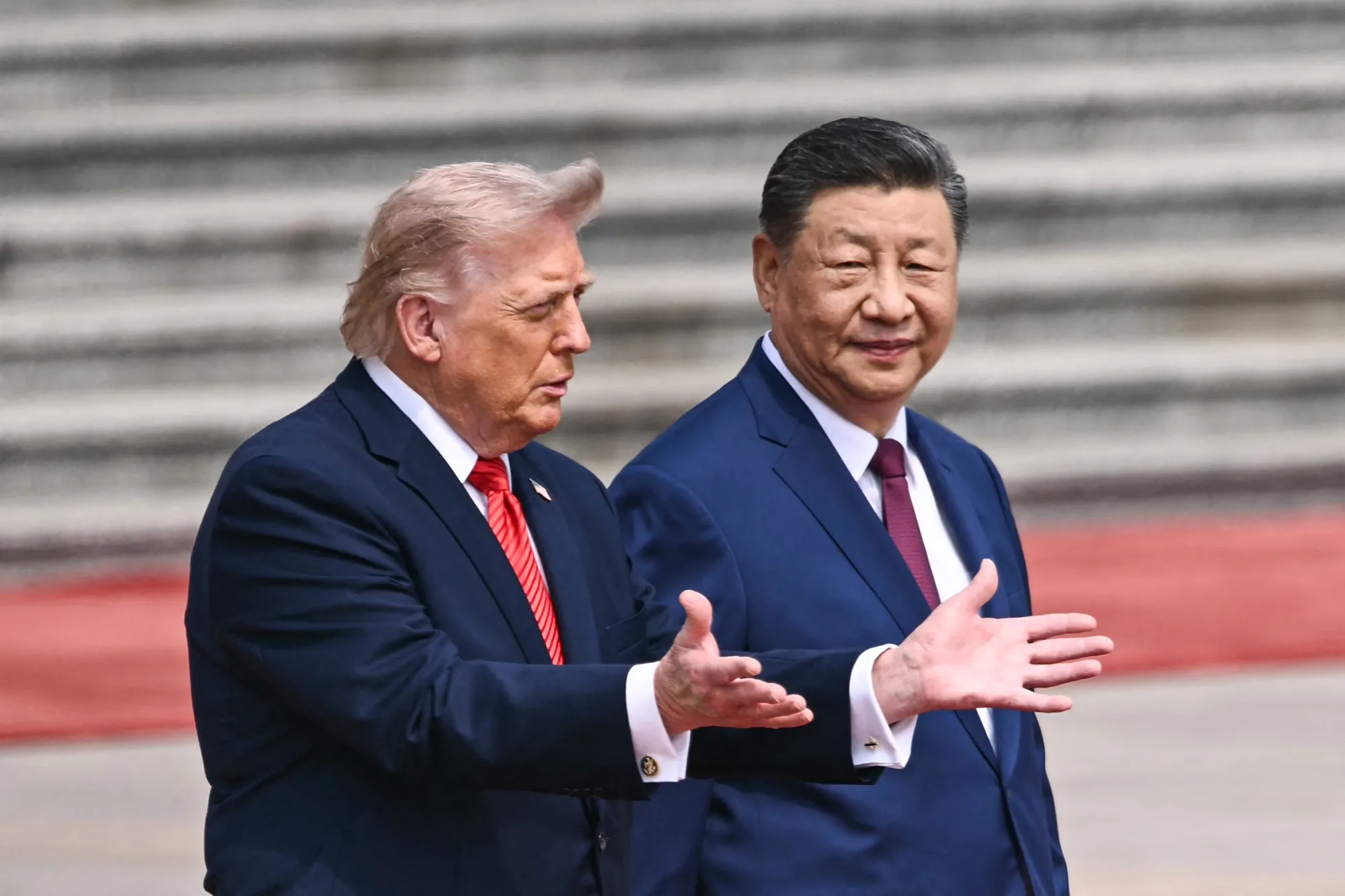
Chinese President Xi Jinping delivered a strong warning over the Taiwan issue as he opened crucial summit discussions with former U.S. President Donald Trump, cautioning that any escalation surrounding Taiwan could lead to direct conflict between China and the United States.
The remarks came at the start of a highly anticipated summit aimed at stabilizing increasingly strained relations between the world’s two largest economies. The talks are taking place amid mounting geopolitical tensions, growing military activity in the Indo-Pacific region, trade disputes, technological rivalry, and sharp disagreements over Taiwan’s political future.
Xi emphasized that Taiwan remains the most sensitive issue in China’s relationship with Washington and warned that external interference or support for separatist movements on the island could push the region toward instability and confrontation. Chinese officials reiterated Beijing’s long-standing position that Taiwan is an inseparable part of China and that reunification remains a core national objective.
Taiwan Continues to Be Flashpoint in U.S.-China Relations
The Taiwan issue has become one of the most contentious points between Beijing and Washington in recent years. China has consistently opposed U.S. military support, arms sales, and diplomatic engagement with Taiwan, viewing such actions as interference in its internal affairs.
The United States, meanwhile, has maintained unofficial relations with Taiwan while expanding security cooperation and defense assistance to the self-governed island. Washington has repeatedly stressed the importance of peace and stability across the Taiwan Strait and has expressed concern over China’s increasing military presence near Taiwanese territory.
Xi’s warning underscores the seriousness with which Beijing views the issue. Chinese leadership has increasingly framed Taiwan as a matter tied to national sovereignty, territorial integrity, and long-term political legitimacy. Analysts believe the latest remarks were intended both as a diplomatic signal to Washington and as a domestic message demonstrating China’s uncompromising stance. 
Summit Opens Amid Growing Strategic Rivalry
The summit between Chinese and American leadership comes at a critical moment for global diplomacy. Relations between the two nations have deteriorated over several key issues, including trade restrictions, semiconductor technology, cybersecurity, military competition, human rights concerns, and strategic influence in the Indo-Pacific.
Both sides are attempting to prevent tensions from spiraling into open confrontation while protecting their respective strategic interests. Diplomatic observers say the summit is likely to focus on crisis management, military communication channels, economic cooperation, and reducing the risk of accidental escalation.
Despite deep divisions, officials from both countries have indicated the importance of maintaining dialogue. Global markets and international allies are closely monitoring the discussions, given the enormous influence both nations hold over global trade, security, and international stability.
China Signals Firm Position on Sovereignty
During the opening exchanges, Xi reportedly stressed that China would not compromise on issues related to sovereignty and territorial integrity. He warned that miscalculations surrounding Taiwan could have dangerous consequences for regional and global peace.
Beijing has repeatedly accused foreign powers of encouraging pro-independence sentiment in Taiwan. Chinese authorities argue that continued external political and military backing for the island undermines regional stability and increases the possibility of confrontation.
At the same time, U.S. officials have continued to advocate for peaceful resolution of cross-strait tensions and freedom of navigation in the Indo-Pacific. Washington has also strengthened ties with regional allies amid concerns over China’s expanding military and economic influence.
International Community Watches Closely
The summit has drawn worldwide attention because of the broader implications for international security and economic stability. Any major deterioration in U.S.-China relations could impact global supply chains, financial markets, military alliances, and diplomatic partnerships.
Experts note that Taiwan remains one of the most dangerous geopolitical flashpoints in the world due to the possibility of military escalation involving major powers. The outcome of the summit may influence future diplomatic engagement between Beijing and Washington and shape strategic calculations across Asia and beyond.
While both sides have expressed willingness to continue communication, the sharp rhetoric surrounding Taiwan highlights the fragile state of relations between the two nations. Observers believe the discussions will test whether diplomatic engagement can reduce tensions or whether rivalry between Washington and Beijing will deepen further in the coming months.