
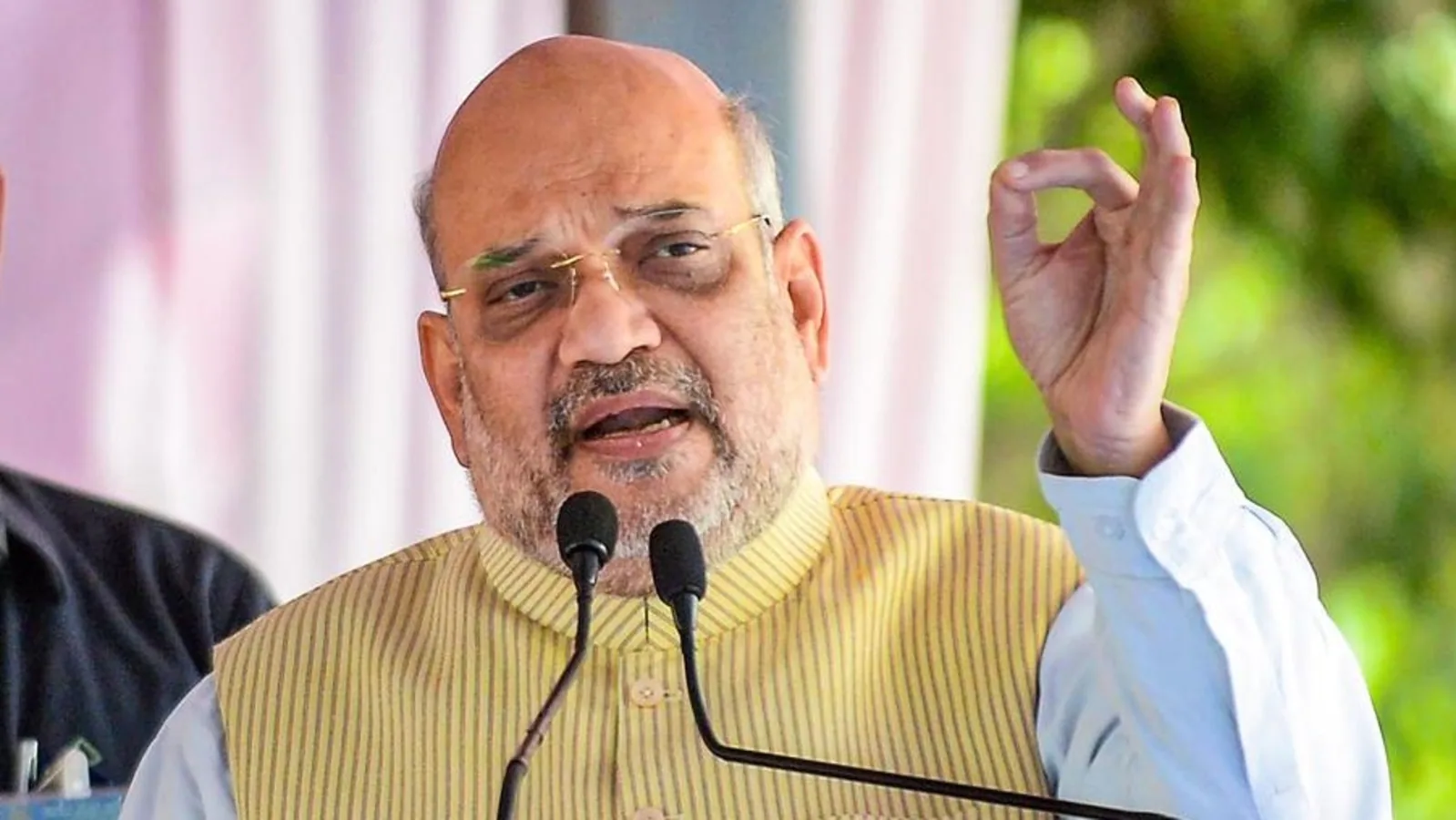
Union Home Minister Amit Shah has said that India is working towards ensuring “zero casualty” during heat waves by strengthening preparedness, coordination, and public safety mechanisms across states and districts. The statement comes amid growing concerns over rising temperatures, prolonged heat conditions, and the increasing impact of extreme weather events across the country.
Addressing a national conference focused on disaster management and climate resilience, Shah emphasized that heat waves are no longer seasonal challenges confined to a few regions but have emerged as a major national concern requiring a comprehensive and coordinated response. He highlighted that the government is placing significant emphasis on early warning systems, awareness campaigns, healthcare readiness, and local-level coordination to prevent heat-related deaths.
According to Shah, India has made notable progress in reducing fatalities from natural disasters over the past decade through scientific planning, better forecasting systems, and proactive administration. He stated that the same approach is now being applied to heat wave management, especially as climate variability continues to intensify weather-related risks.
The Union Minister noted that the country’s disaster response framework has evolved substantially, enabling authorities to respond more effectively to emergencies. He stressed that collaboration between the Centre, state governments, district administrations, disaster response agencies, healthcare institutions, and local communities will be crucial in achieving the goal of zero casualties during extreme heat conditions. 
Shah also pointed out that urban expansion, changing climatic patterns, and rising population density have increased vulnerability to heat stress, particularly in densely populated cities and economically weaker regions. He urged state administrations to adopt region-specific heat action plans and ensure that vulnerable groups such as the elderly, children, outdoor workers, and low-income communities receive timely support and protection.
During the conference, discussions reportedly focused on enhancing infrastructure resilience, improving public awareness, and ensuring uninterrupted access to drinking water, electricity, and medical facilities during periods of extreme heat. Authorities were also encouraged to strengthen communication systems so that warnings and advisories reach people in remote and high-risk areas without delay.
The government’s broader strategy includes improving coordination between meteorological departments and local administrations to ensure real-time dissemination of weather alerts. Officials have also been advised to identify heat-prone zones, establish cooling centers, and prepare hospitals to handle heatstroke and dehydration cases during peak summer months.
Shah highlighted that technology and data-driven governance are becoming central to disaster preparedness in India. He stated that modern forecasting tools, digital communication systems, and integrated response mechanisms are helping authorities act in advance rather than responding only after disasters occur.
The Home Minister further stressed the importance of community participation in minimizing heat-related risks. He said local bodies, volunteers, educational institutions, and civil society organizations can play a critical role in spreading awareness about preventive measures such as hydration, avoiding direct sun exposure, and recognizing symptoms of heat-related illnesses.
India has witnessed increasingly severe heat waves in recent years, with several states recording temperatures significantly above seasonal averages. Experts have linked the growing intensity and frequency of such events to broader climate change trends, raising concerns about long-term public health, water availability, and agricultural productivity.
The government’s renewed focus on heat wave management reflects the increasing urgency surrounding climate resilience and public safety. With summer temperatures continuing to rise across various parts of the country, authorities are expected to intensify preparedness measures in the coming months to reduce risks and safeguard vulnerable populations.
Officials believe that a combination of early planning, scientific forecasting, public awareness, and coordinated governance can significantly reduce casualties and strengthen India’s ability to deal with extreme weather emergencies in the future.