
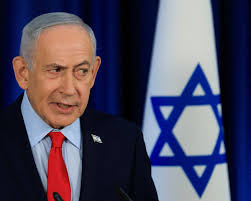
Israeli Prime Minister Benjamin Netanyahu has defended the strategic decisions behind the ongoing conflict with Iran, rejecting allegations that Israel underestimated the consequences of Tehran’s potential retaliation through the Strait of Hormuz. His remarks come amid mounting international scrutiny over the economic and geopolitical fallout triggered by the widening regional confrontation.
In a televised interview addressing the rapidly evolving crisis, Netanyahu acknowledged that neither Israel nor its allies had “perfect foresight” regarding the scale of Iran’s response and the disruption caused by tensions around the Strait of Hormuz — one of the world’s most critical maritime trade routes for oil and energy supplies.
The Israeli leader’s comments appeared to be a response to growing criticism that decision-makers in Jerusalem and Washington may have underestimated Tehran’s willingness and ability to use regional choke points as strategic leverage during the conflict. Analysts and political observers have increasingly questioned whether the military campaign was initially portrayed as more manageable than it ultimately became.
During the interview, Netanyahu stopped short of admitting to any intelligence or strategic failure. Instead, he argued that the risks associated with the Strait of Hormuz were recognized gradually as the war developed. He emphasized that Iran itself had also failed to fully anticipate the broader consequences of the confrontation.
The Strait of Hormuz has become central to the crisis, with heightened military tensions threatening global energy markets and maritime trade. The narrow waterway handles a significant share of the world’s oil exports, and fears of disruption have already contributed to market volatility, rising fuel prices, and renewed concerns about a global economic slowdown.
Reports emerging during the conflict suggested that Israeli leadership had believed Iran would be too weakened by joint military pressure to effectively challenge shipping routes or sustain a prolonged retaliation campaign. Netanyahu, however, denied claims that he had guaranteed a swift collapse of the Iranian regime or minimized the strategic dangers involved. He maintained that uncertainty and risk were always understood as part of the military calculations. 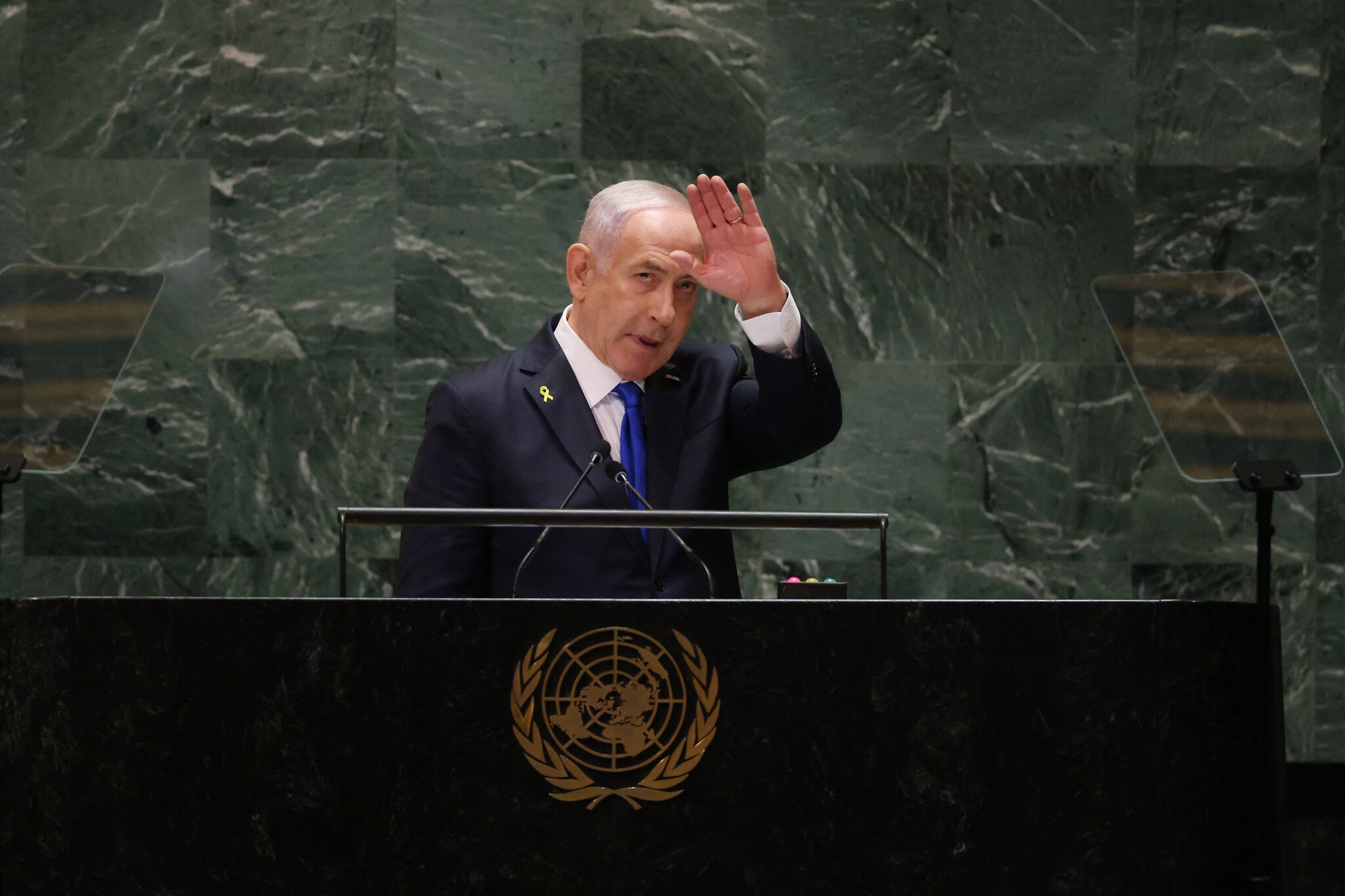
The war has significantly reshaped regional diplomacy and intensified pressure on international powers attempting to broker a ceasefire. Negotiations involving the United States, Iran, and regional intermediaries have struggled to gain momentum, while military exchanges and threats continue to destabilize the Middle East.
Netanyahu also addressed speculation about whether the broader objective of weakening or potentially toppling Iran’s ruling establishment remains achievable. While he stated that such an outcome is possible, he admitted there are no guarantees regarding regime change or the timeline of any political transformation inside Iran. According to the Israeli prime minister, the conflict has already weakened Tehran’s regional influence, particularly its network of allied militant groups across the Middle East.
At the same time, signs of strain have reportedly emerged between Israel and the United States over the handling of the conflict. Political analysts have pointed to disagreements over military strategy, ceasefire negotiations, and the long-term consequences of the war for global stability and energy security.
The conflict has also generated wider international concern over its economic consequences. Shipping disruptions, uncertainty in oil markets, and fears of broader regional escalation have impacted financial markets and prompted warnings from economic experts about inflationary pressures and supply chain disruptions.
Despite the criticism, Netanyahu insisted that Israel’s actions were driven by long-term security concerns and the perceived threat posed by Iran’s military and nuclear capabilities. He argued that avoiding confrontation carried greater risks than military action, even if the consequences proved more complex than initially anticipated.